Updated: Nov 9
Key Points
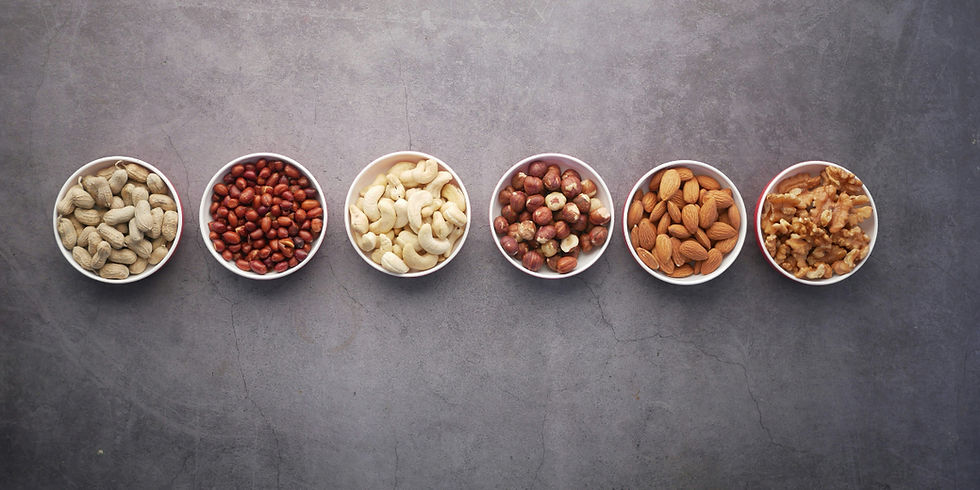
Plain peanuts, cashews, chestnuts, Brazil nuts, and pine nuts are generally safe in small amounts. Almonds, hazelnuts, hickory nuts, pecans, pistachios, walnuts, and acorns are best to avoid.
Macadamia nuts and horse chestnuts are toxic to dogs.
Moldy nuts can contain toxins that cause vomiting, tremors, and seizures.
Whole nuts and shells can pose choking hazards or cause intestinal blockages.
You and your pup have spent the morning hiking up a mountain, stopping to enjoy an amazing view. You need a little fuel before the trip back down, so you pull out your nut-filled trail mix. When those tired puppy dog eyes meet yours, you have a decision to make: share or keep it to yourself?

Can dogs eat nuts? Yes, some nuts are safe for dogs in small amounts, including plain peanuts and cashews. Others, like almonds and pistachios, are best avoided, while macadamia nuts and horse chestnuts are toxic to dogs.
Can dogs eat nuts? Quick-reference chart
While dogs can eat some nuts, they're not a required part of their diet. When we say "small amounts," that means a taste of a plain, unsalted, shelled nut now and then, never
a handful.
Generally safe in small amounts | Best Avoided | Toxic to dogs |
Peanuts | Almonds | Macadamia nuts |
Cashews | Hazelnuts | Horse chestnuts |
Chestnuts | Hickory nuts | |
Brazil nuts | Pecans | |
Pine nuts | Pistachios | |
Walnuts | ||
Acorns |
Why nuts can be risky for dogs
Even nuts that aren't toxic can cause problems.
Here's what to watch out for:
Almost all nuts are high in fat, which can cause vomiting, diarrhea, and, in some dogs, pancreatitis.
Salted, seasoned, or candied nuts add sodium and other ingredients your pup doesn't need.
Some nut butters contain xylitol, a sugar substitute that's dangerous for dogs.
Whole nuts and hard shells can cause choking or get stuck in the intestines, especially in small dogs.
Old, damp, or fallen nuts can grow mold, and some molds make toxins that affect the nervous system or liver.
Which nuts can dogs eat?
A few nuts are generally OK when they're plain, unsalted, and shelled.
Can dogs eat peanuts?
Verdict: Yes, dogs can eat plain peanuts. Skip salted, honey-roasted, and chocolate-covered peanuts.
Can dogs eat peanut butter?
Verdict: Yes, dogs can eat peanut butter. However, the FDA lists some peanut and nut butters among products that may contain xylitol, so it’s important to always check the label. It may also be listed as birch sugar. Xylitol can cause a rapid, dangerous drop in blood sugar, and the ASPCA notes it can potentially cause liver damage.
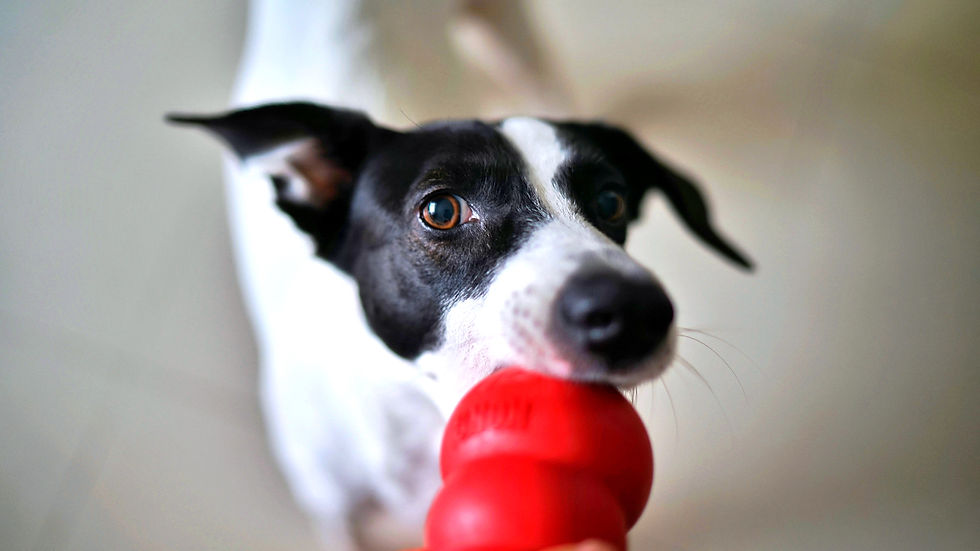
Learn more about choosing a dog-safe peanut butter to make sure your Kongs stay filled and your pup stays safe.
Can dogs eat cashews?
Verdict: Yes, dogs can eat cashews. Cashews aren't toxic to dogs, but they're high in fat and often salted. Keep portions small, and make sure you know how many cashews dogs can eat.
Can dogs eat chestnuts?
Verdict: Yes, dogs can eat chestnuts, if they're roasted, peeled, and cut into bite-size pieces. Just don't confuse these with horse chestnuts (buckeyes), which are toxic to dogs.
Can dogs eat pine nuts?
Verdict: Yes, dogs can eat pine nuts. They’re small, but like almost all nuts, they're high in fat, so watch the portion size.
Can dogs eat Brazil nuts?
Verdict: Yes, dogs can eat Brazil nuts. Brazil nuts are large and hard, so they can be a choking or blockage hazard, especially for small dogs. Be sure to cut them up before offering your dog a taste.
What nuts should dogs avoid?
These nuts aren't toxic to dogs, but they aren’t good for them either, so it’s best to avoid them.
Can dogs eat almonds?
Verdict: Best avoided. Almonds can cause stomach upset, including nausea and diarrhea. Whole almonds can also pose a choking hazard or cause an intestinal blockage.
Can dogs eat pistachios?
Verdict: Best avoided. Pistachios contain urushiol, the same oily compound found in poison ivy, which can cause irritation. Their shells can also pose a choking hazard or cause an intestinal blockage.
Can dogs eat walnuts?
Verdict: Best avoided. Walnuts are not safe for dogs: they’re high in fat, which can cause digestive upset and may contribute to pancreatitis. Black walnuts are especially concerning because they contain juglone, a compound that can be harmful to dogs.
The bigger worry is mold on old or fallen walnuts.
Can dogs eat pecans?
Verdict: Best avoided. Pecans are high in fat, which can cause vomiting or diarrhea and may contribute to pancreatitis. Like walnuts, they also contain juglone, which makes them dangerous to dogs.
Can dogs eat hazelnuts?
Verdict: Best avoided. Whole hazelnuts are round and hard, which makes them a choking hazard for small dogs. Like almost all nuts, they're also high in fat.
Can dogs eat hickory nuts?
Verdict: Best avoided. Hickory nuts have hard shells that can cause choking or blockages.
Can dogs eat acorns?
Verdict: Best avoided. Acorns contain tannins, which AKC links to kidney damage. Their hard shells can also cause choking or a blockage, so keep your pup from snacking on them during walks.
Which nuts are toxic to dogs?
Macadamia nuts, and horse chestnuts are toxic to dogs. For other foods to keep away from your pup, see our list of foods dogs can't eat.
Can dogs eat macadamia nuts?
Verdict: No. Macadamia nuts are toxic to dogs. According to the Merck Veterinary Manual on macadamia nut toxicosis, signs typically start within 12 hours. They can include weakness, vomiting, wobbliness, tremors, depression, and overheating.
Macadamia poisoning is typically nonfatal. Signs generally resolve within 12 to 48 hours, but could persist for 72 hours.
If your dog ate any macadamia nuts, call your vet or a pet poison hotline. Don't wait for symptoms.
Can dogs eat horse chestnuts?
Verdict: No. Horse chestnuts are toxic to dogs. The ASPCA lists horse chestnuts, also called buckeyes, as toxic to dogs because of aesculin and other saponins. Signs can include severe vomiting and diarrhea, weakness, unsteadiness, dilated pupils, seizures, and coma.
These nuts drop in yards and parks in the fall, so keep an eye on your pup during walks. If your dog eats one, call your vet or a poison hotline right away.
Are moldy nuts dangerous for dogs?
Verdict: Yes. Moldy nuts can be toxic to dogs. Mold can grow on old, damp, or fallen nuts, and you can't always see it. Different molds make different toxins, so the effects depend on the mold and how much your dog ate.
The Merck Veterinary Manual on tremorgenic mycotoxins explains that molds on foods like walnuts and peanuts can produce penitrem A. In dogs, it can cause vomiting, tremors, and seizures. Signs typically start within a few hours.
Aflatoxin, another mold toxin, can cause liver failure. Call your vet or a poison hotline if your dog ate moldy nuts, even if your pup seems fine.
My dog ate nuts: what should I do?
Take a breath. What you do next depends on what kind of nut your dog ate and how much.
If your dog ate macadamia nuts, horse chestnuts, moldy nuts, or nut butter with xylitol, call your vet or a poison hotline right away. Don't wait for symptoms.
Remove any remaining nuts and keep your pup away from the bag or bowl.
Identify the type of nut, roughly how many your dog ate, and when.
Check the packaging for xylitol, chocolate, salt, or other harmful ingredients.
Contact your vet, an emergency clinic, or a pet poison hotline if the nut, ingredients, or amount is a concern.
Don't make your dog vomit unless a vet tells you to.
Follow your vet's guidance on treatment and how to monitor your pup at home.
Keep these numbers handy:
ASPCA Animal Poison Control: (888) 426-4435, available 24/7. A consultation fee may apply.
Pet Poison Helpline: (855) 764-7661. A fee may apply.
What symptoms should I watch for after my dog eats nuts?
Not every dog gets sick after eating nuts, and signs can show up at different times depending on what was eaten.
Call your vet if you notice any of these:
Vomiting or diarrhea
Abdominal pain or loss of appetite
Weakness or difficulty walking
Tremors or shaking
Seizures
Unusual lethargy or overheating
Gagging, excessive drooling, or difficulty breathing
For milder signs, like a single bout of vomiting after a plain, safe nut, call your vet for advice. Seizures, collapse, or trouble breathing are emergencies. Go to the nearest emergency vet now.
How much does it cost to treat nut poisoning in dogs?
The cost depends on what your dog ate, how much, whether symptoms appear, and what treatment your vet recommends. An exam for a dog with no symptoms usually costs far less than emergency care or hospitalization.
Potential expenses can include:
An exam or consultation fee
Diagnostics, including bloodwork when your vet thinks it's needed
Treatment for vomiting, dehydration, or other symptoms
Hospitalization and monitoring for serious poisoning
Emergency treatment for seizures or other complications
Surgery or other treatment for an intestinal blockage
A 2025 to 2026 CareCredit cost study put national averages for dogs at about $135 for an ER exam. It listed about $104 for a complete blood count. The same study reported average hospitalization costs of about $619 at a regular vet clinic and $1,323 at an emergency clinic.
Blockages can cost much more. Intestinal blockage surgery can cost $2,000 to more than $10,000, and emergency or specialist clinics usually charge more than a private practice.
Bills vary by clinic and region. Contact a vet clinic promptly, and ask for an estimate for the recommended care.
Safer snack alternatives to nuts
If your pup loves a crunchy snack, plain fruits and veggies make easy swaps. Cut them into bite-size pieces, and skip any butter, salt, or seasoning.
Carrots, cut smaller for little dogs
Apple slices, with the core and seeds removed
Blueberries, served plain
Green beans, served plain
Cucumber, cut into thin slices
For more ideas, see our guide to human foods that are safe for dogs.
FAQs about dogs and nuts
What nut is toxic to dogs?
Macadamia nuts and horse chestnuts (buckeyes) are toxic to dogs. If your dog eats any of them, call your vet or a pet poison hotline right away.
Which nuts are safe for dogs to eat?
Plain, unsalted peanuts, cashews, pine nuts, Brazil nuts, and roasted, peeled chestnuts are generally OK in small amounts. Xylitol-free peanut butter is OK too. Keep even these as an occasional treat.
Are nuts good for dogs?
Your dog doesn't need nuts in their diet. Almost all nuts are high in fat, which can upset your pup's stomach, so the risks often outweigh any benefit.
How many nuts can my dog eat?
There's no set safe number of nuts for dogs. Stick to a small taste of a plain, safe nut now and then, and keep treats under 10% of daily calories, as VCA advises. Ask your vet what's right for your dog's size and health.
Can dogs eat peanuts in the shell?
No, remove the shell first. Nuts and their hard shells are choking hazards and can cause intestinal blockages.
My dog ate a few pecans. What should I do?
A few plain pecans are unlikely to cause serious problems for most dogs, though they may cause an upset stomach. Keep an eye out for vomiting or diarrhea, and contact your vet if symptoms develop or your dog ate a large amount.
Can dogs eat trail mix?
No, skip trail mix. It can include raisins, which can cause kidney failure in some dogs, or chocolate, which is toxic to dogs. Macadamias and heavy salt are other risks, so call your vet if your pup gets into some.
Can dogs eat nuts and seeds?
Some seeds are safe for dogs in small amounts, while others can cause digestive upset or pose choking risks. Plain, shelled sunflower seeds are safe as an occasional treat and provide vitamin E, healthy fats, and other nutrients. Choose unsalted seeds without added seasonings, and keep portions small because their fat content can upset your dog’s stomach.
Pumpkin seeds are another option. Plain, unsalted pumpkin seeds can be offered roasted and ground or crushed to make them easier to eat. Avoid salted, seasoned, or heavily oiled seed snacks, and introduce any new treat in small amounts. Seeds should complement a balanced dog food diet, not replace it.