Updated: Nov 13
Key Points
Black walnuts are toxic to dogs, so keep them out of reach.
A stray piece of plain English walnut may only cause mild stomach upset, but walnuts aren't a good treat.
If your pup eats black walnuts or a handful of any walnuts, call your vet or the Pet Poison Helpline.
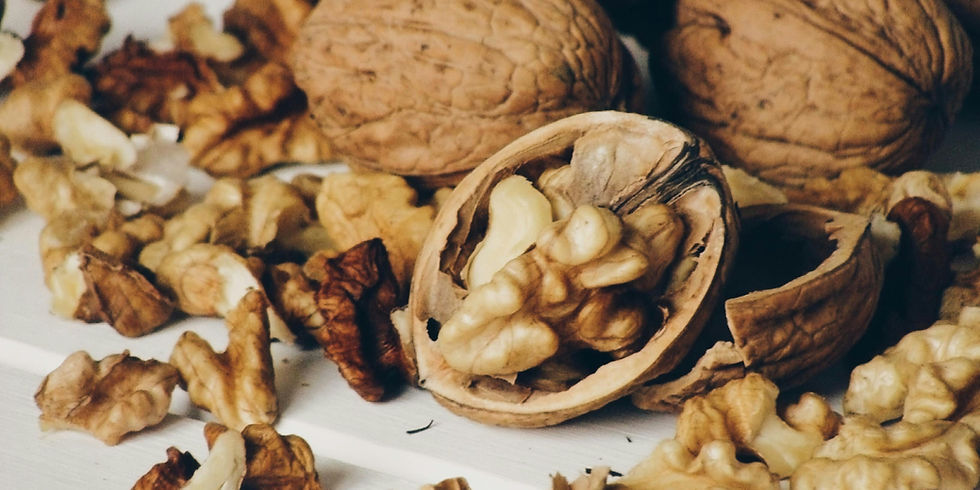
Every fall, black walnut trees drop green, tennis-ball-sized husks across yards, sidewalks, and parks. To a dog, each one looks like a free toy to chase and chew. So can dogs eat walnuts? The quick answer is no, don’t let your dog have walnuts. Black walnuts are toxic, so it’s best to be safe. English walnuts are technically okay for your dog, but they’re fatty and easy to choke on, so it’s best to avoid them.
If your pup already got hold of one, don't panic. Here’s what you need to know about the risks, the warning signs, and when to call your vet.
Can dogs eat walnuts? Black vs. English walnuts
Walnuts shouldn't be on your dog's menu. The type of walnut and how many your pup ate make a big difference. A stray piece of English walnut is usually a minor event, while black walnuts call for a vet.
According to Garden State Veterinary Specialists (GSVS), plain, fresh English walnuts might cause only mild digestive upset. Black walnuts, on the other hand, can lead to serious poisoning.
So are walnuts good for dogs? Not really. They don't offer your pup anything that safer, dog-friendly treats can't, and they come with real risks.
English walnuts are the kind you usually buy at the grocery store. Black walnut trees are common across much of the US, so you may have them in your yard or neighborhood.
Here's how the two compare.
Black walnuts | English walnuts
| |
Where you'll find them | Trees common across much of the US, often in yards and parks | Grocery stores, baked goods, trail mixes |
Toxin | Juglone | Can cause mild digestive upset |
Verdict | Toxic. Call your vet if your dog eats any. | Don't make it a habit. |
Why walnuts are risky for dogs
Walnuts can hurt your dog in a few ways: toxins, fat, choking, and seasonings. Black walnuts are the most dangerous, but even English walnuts can cause trouble in larger amounts.
Juglone in black walnuts
Black walnuts contain juglone, a natural chemical that the tree produces as part of its defense against other plants. It’s found in the tree’s roots, leaves, husks, and nuts. Based on experimental data, juglone is often believed to be toxic to dogs.
High fat and pancreatitis
Walnuts are high in fat, and too much fat can lead to pancreatitis. That's inflammation of the pancreas, the organ that helps your dog digest food.
Choking, walnut shells, and blockages
Walnuts are hard and oddly shaped, so dogs can choke on them. Whole walnuts and walnut shells can also get stuck in the gut and cause an intestinal blockage.
Small dogs are especially at risk. A piece that a large dog swallows easily could block a small dog's airway or intestines.
Salt, seasonings, and trail mix
Store-bought English walnuts are often salted, candied, or seasoned. Those extras add more risk to an already fatty snack.
Walnuts also show up in trail mixes, which can hide other risky nuts. According to VCA Animal Hospitals, macadamia nuts are poisonous to dogs. If your pup gets into a trail mix bag, check the label so you can tell your vet what was inside.
Moldy walnuts and tremorgenic mycotoxins
Moldy walnuts are a serious risk for dogs. According to the Merck Veterinary Manual, mold on foods like walnuts can produce tremorgenic mycotoxins. These are toxins made by mold that can cause tremors, or uncontrolled shaking.
Fallen black walnuts that sit in the grass can turn moldy. That makes them extra risky for pups who love to scavenge.
Signs can start within a few hours, and vomiting is often the first one. Watch for:
Vomiting
Drooling
Wobbliness or trouble walking
Muscle tremors
Rapid heart rate
Overheating
If you see tremors or seizures, get your dog to a vet or emergency clinic immediately. You can call the Pet Poison Helpline on the way for guidance. With treatment, most dogs recover in days to weeks.
To lower the risk, throw out old nuts in a trash can with a lid. If you have walnut trees, rake up fallen nuts before they spoil.
Can puppies eat walnuts?
No, puppies shouldn't eat walnuts. Puppies are small, so the choking and blockage risks are higher.
Safer nuts to share instead
If your dog loves sampling whatever you’re eating, you might wonder which nuts dogs can eat. Check the chart below before offering your pup a handful of your favorite snack.
Generally safe in small amounts | Best Avoided | Toxic to dogs |
Peanuts | Almonds | Macadamia nuts |
Cashews | Hazelnuts | Horse chestnuts |
Chestnuts | Hickory nuts | |
Brazil nuts | Pecans | |
Pine nuts | Pistachios | |
Walnuts | ||
Acorns |
Sharing peanut butter with your dog can be a fun way to spend an afternoon. Spread a little inside a Kong toy to keep your pup occupied.
Cashews can make an occasional treat, too, as long as they’re plain and unsalted.

What to do if your dog ate a walnut
First, consider what exactly your dog ate. A few plain, store-bought English walnuts are unlikely to cause serious problems, but black walnuts, moldy nuts, and certain trail mix ingredients pose greater risks.
If your dog ate walnuts from the store
If your dog snatched a few plain English walnuts, don’t panic. Watch for vomiting, diarrhea, or other signs of stomach upset. Call your vet if your dog ate a large quantity, develops symptoms, or swallowed shells.
If your dog ate walnuts off the ground or got into trail mix
Black walnuts and moldy fallen walnuts can be dangerous, so contact your vet if your dog eats them. If your pup raided trail mix, check the ingredients for macadamia nuts, raisins, or chocolate, which can be toxic to dogs. Call your vet or the Pet Poison Helpline at (855) 764-7661 for guidance (a small fee applies).
Tremors, seizures, difficulty breathing, or collapse require emergency veterinary care.
How to keep walnuts away from your dog
The easiest way to prevent walnut trouble is to keep walnuts where your dog can't reach them. A few simple habits go a long way.
Store walnuts and trail mixes in sealed containers in a high cabinet.
Keep your dog on a leash near walnut trees on walks.
Practice "leave it" so your pup drops walnuts on cue.
Ask guests not to share snacks with your pup.
FAQ about walnuts for dogs
How many walnuts are toxic to dogs?
One or two plain, store-bought English walnuts are unlikely to harm most dogs. Eating more than a few may cause vomiting or diarrhea, while larger amounts can increase the risk of pancreatitis. Black walnuts are a different story: any amount can pose a risk, so contact your vet if your dog eats one.
Are black walnuts poisonous to dogs?
Yes, black walnuts are toxic to dogs. They contain juglone, a compound that's particularly toxic to dogs. Call your vet if your pup eats any.
Can dogs eat English walnuts?
Not really. A stray piece of plain English walnut is nothing to be concerned about, but it's best to skip them. They're high in fat, often salted, pose a choking risk, and may cause mild stomach upset.
Can dogs eat shelled walnuts?
Shelled walnuts are a little less risky than whole ones, but they're still not a good treat. The fat and seasoning risks don't go away when the shell does.
Are walnut shells bad for dogs?
Yes, walnut shells are bad for dogs. They're hard and sharp enough to cause choking or an intestinal blockage, especially in small dogs.
My dog ate walnuts. Will he be OK?
Most likely, yes. However, if they were black walnuts, call your vet or the Pet Poison Helpline now.
Can dogs die from eating walnuts?
Most cases involving a small amount of plain English walnut are mild, but black walnuts, choking, and blockages can be serious. Call your vet if your pup seems unwell.
Enjoying walnut season with your pup
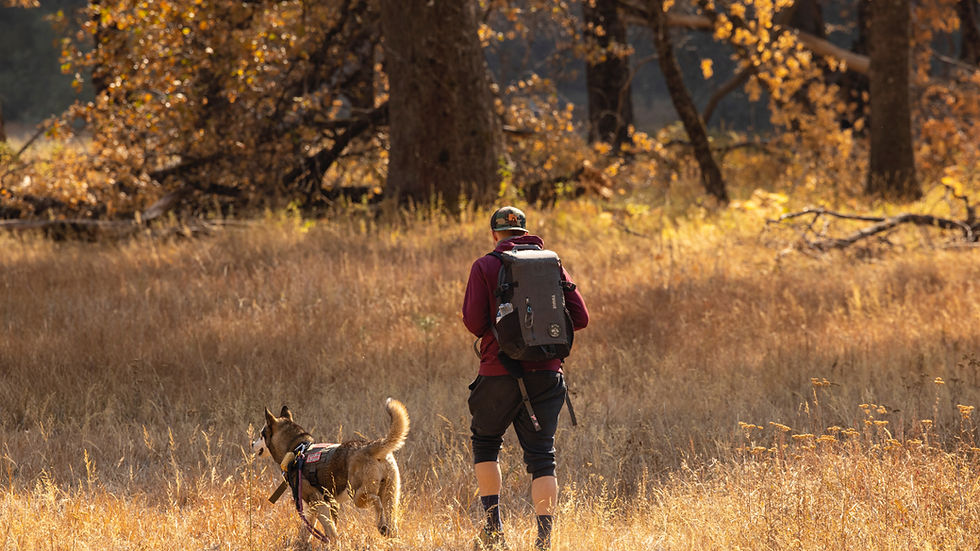
Those green husks will keep dropping every fall. Walnut season can still mean crisp air, crunchy leaves, and long, sniffy walks together. Here's to many more fall adventures with your favorite walking buddy.