Updated: Aug 29
Key points
Plenty of human food is safe for dogs in small amounts, like plain cooked chicken, carrots, apples, and blueberries.
Some table foods are toxic. Keep chocolate, grapes and raisins, onions, garlic, and anything with xylitol away from your dog.
Treats and table food should make up no more than about 10% of your dog's daily calories, and vets suggest keeping table scraps even smaller.
Those puppy-dog eyes at the dinner table are hard to resist. You are eating something delicious, and your dog is staring up at you like it is the best thing they have ever seen. So, is human food safe for dogs, or should the good stuff stay on your plate?
The short answer is that lots of human food is safe for dogs. But "safe" depends on the food, how it is prepped, and how much your dog eats. A few table foods are downright dangerous, and even the good ones can upset a small tummy in big portions.
As a new parent, you are still learning your dog's quirks, their tummy, and their talent for begging. This guide is here to make snack time simple. Below, we break down which foods you can share, which ones to skip, and how to hand over a bite without any regret. When in doubt, your vet is always the best call.
Which human foods are safe for dogs?
Many everyday foods make great occasional treats. The golden rule is to serve them plain and simple: no salt, butter, oil, sugar, or seasoning, and cut into bite-size pieces. The American Kennel Club and the ASPCA both back this plain-and-moderate approach.
Which fruits and veggies can dogs enjoy?
Fresh produce can be a low-calorie way to treat your dog. Prep matters, so remove seeds, cores, pits, and rinds first.
Apples: vitamins A and C; remove the seeds and core.
Bananas: potassium and fiber; small pieces, no peel.
Blueberries and strawberries: antioxidants and vitamins; a great training treat.
Watermelon and cantaloupe: hydrating; remove the rind and seeds.
Pineapple: vitamins C and B6; remove the skin and core.
Carrots, cucumber, and green beans: crunchy, low-cal, and hydrating.
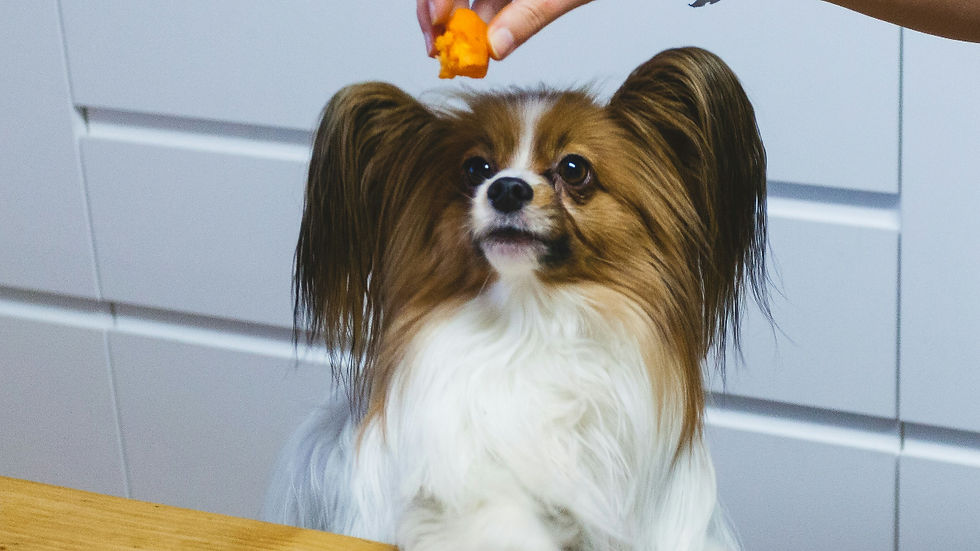
Plain cooked pumpkin and sweet potato: high in fiber; pumpkin can help with digestion.
Broccoli, cauliflower, and peas: cooked and plain; start small since they can cause gas.
Not sure about a specific food? Can My Pet Eat That? is a guide that covers foods from A to Z.
Which proteins make good meal toppers?
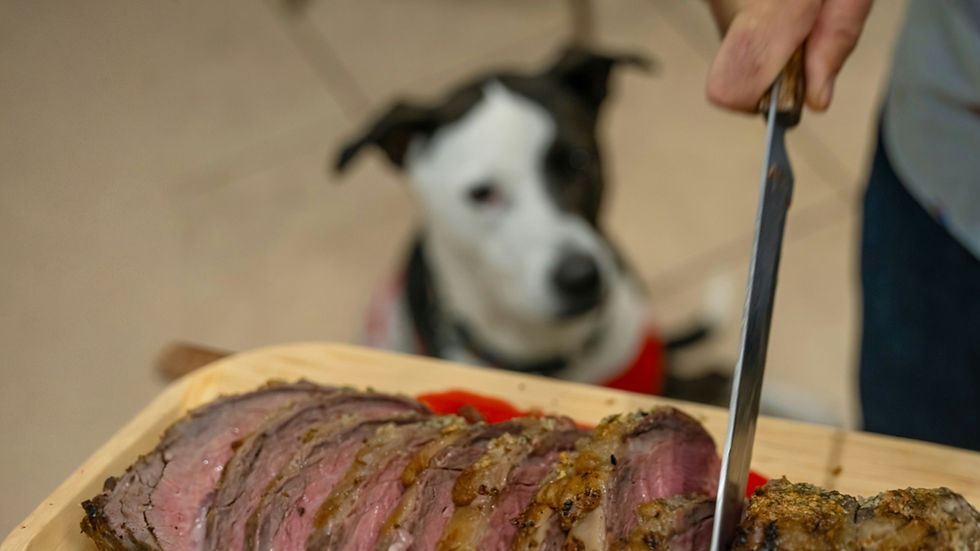
Lean, cooked protein is a favorite for good reason. Always remove bones, skin, and excess fat, and skip the seasoning.
Plain cooked chicken and turkey: lean protein and a tasty kibble topper.
Cooked eggs: scrambled or boiled with no oil or salt.
Cooked shrimp: unseasoned, and never raw.
Raw or undercooked meat, eggs, and poultry bones carry risks like Salmonella, choking, or injury. “A dog’s exposure to harmful bacteria can be expensive when it comes to testing and treatment, especially if hospitalization is involved,” says Dr. Erica Irish, DVM. “I’ve even known some pet owners who were hospitalized after being exposed to the harmful bacteria in these raw foods.” Cook it fully, and take the bones out.
What about dairy and pantry staples?
A few dairy and pantry staples are fine in tiny amounts, as long as you read the label.
Plain unsweetened yogurt: probiotics that can aid digestion.
Small bits of low-fat cheese: like cottage cheese or mozzarella; watch for lactose intolerance. Dr. Irish cautions that dogs become more intolerant to lactose as they age, so reach for less yogurt and cheese in later years.
Xylitol-free peanut butter: healthy fats; always check the label since xylitol is toxic. Xylitol sometimes comes up on labels as “birch sugar,” so read carefully!
Plain air-popped popcorn: no butter or salt; remove unpopped kernels.
A little honey: nutrients in a small dose.
One prep rule ties all of these together: keep it plain. Skip the salt, butter, oil, sugar, and seasoning your dog does not need, and cut every treat into small, bite-size pieces.
Which table foods should dogs never eat?
Some human foods are a hard no. According to the ASPCA Animal Poison Control Center, these can make your dog seriously sick, so keep them well out of reach.
Chocolate, coffee, and caffeine: methylxanthines can cause tremors and seizures; darker chocolate or coffee is worse.
Grapes and raisins: can cause kidney damage, even in small amounts.
Onions, garlic, leeks, and chives: damage red blood cells and can lead to anemia.
Xylitol: a sweetener in gum and some peanut butters; causes hypoglycemia and liver damage.
Macadamia nuts: can cause weakness, tremors, and a raised body temperature.
Most other nuts (almonds, walnuts, pecans): high fat can trigger vomiting or pancreatitis.
Raw or undercooked meat, eggs, and bones: bacteria and obstruction risks.
Raw yeast dough: rises in the stomach and can cause life-threatening bloat due to the gas that is released.
Very salty foods and ham: ham is not toxic, but the high sodium and fat make it best skipped.
Avocado: best avoided for dogs; the high fat and the pit are the real concerns.
Marijuana and alcohol: you may like cooking or enjoying a meal with these, but both can cause severe central nervous system depression, vomiting, dangerous changes in heart rate and breathing, and in severe cases, seizures, a coma, or even death.
What are the signs your dog ate something toxic?
Watch for these warning signs, which can show up fast or over several hours:
Vomiting or diarrhea
Lethargy or weakness
Tremors or seizures
Excessive thirst or urination
What should you do right away?
Do not wait for symptoms to get worse. If you think your dog ate something toxic, call your vet, local vet emergency center, or a poison hotline immediately:
ASPCA Animal Poison Control: 888-426-4435
Pet Poison Helpline: 855-764-7661
Acting quickly gives your dog the best shot at a full recovery. Have the food packaging or a photo ready so the veterinary team can gauge the risk, and try to note how much your dog ate and when.
Even careful parents can't predict everything. A curious dog might sneak a chocolate bar off the counter or raid the trash when your back is turned. If your dog eats something they shouldn’t in the future, a Pumpkin Pet Insurance plan could help with eligible vet bills, so you can focus on care instead of cost. Every Pumpkin plan also includes PumpkinNow*, our 24/7 urgent pay service that can pay for eligible care fast.
How to share table food with your dog safely
Sharing is fine when you keep it small, make sure it’s safe for them, and most of all follow veterinary guidance. A good rule of thumb is to keep treats and table food to no more than about 10% of your dog's daily calories.
Keep the people-food scraps closer to 5%, since they tend to be high in fat and sugar. That extra fat is a common trigger for pancreatitis and can cause weight gain over time, so a little restraint goes a long way.
A few simple habits keep snack time safe:
Introduce one new food at a time. Start with a small bite so you can spot any tummy trouble.
Watch for allergies. Even safe foods can trigger a reaction unique to your dog. Knowing common food allergies can help you recognize the signs.
Keep prep plain. Cook when needed, and skip the salt, butter, oil, and seasoning.
Check with your vet. They can tailor advice to your dog's age, weight, and health.
Is sharing caring, really?
Sharing table food with your dog is safe when you pick the right foods, keep portions small, and steer clear of the toxic stuff. Lean proteins, plain fruits and veggies, and the occasional dairy (cheese tax) treat can all earn a spot in your dog's snack rotation.
Keep chocolate, grapes, onions, garlic, and xylitol far away. Know your emergency numbers just in case.
You do not have to memorize every food on day one. Learn a few safe favorites, keep the toxic list handy, and lean on your vet when something new comes up. When you are unsure about a food, a quick call is always worth it. Your dog will thank you, one happy bite at a time.
*Qualified customers with approved claims for treatments $500 or more could be paid in 15 minutes after submitting a request at the vet clinic, if their bank accepts real-time payments. For a list of RTP-enabled banks, visit https://www.theclearinghouse.org/payment-systems/rtp/rtp-participating-financial-institutions. For full terms & conditions, visit www.pumpkin.care/pn-terms.