Key Points
Autism is a human diagnosis, and no veterinary source we reviewed lists it as a diagnosis for dogs.
A few small studies describe autism-like behavior in dogs, mostly compulsive tail chasing in Bull Terriers.
Repetitive or withdrawn behavior can point to pain, seizures, anxiety, or a compulsive disorder, so start with a vet visit.
Every dog has a quirk or two. Some circle three times before lying down, and some stare at a blank wall like it's hiding something. But when a pup chases their tail for long stretches, ignores their name, or pulls away from family, quirky behavior can lead to worry and pet parents searching "can dogs have autism."
It's a fair question. Some canine behaviors look a lot like what people associate with autism: repetitive movements, social withdrawal, and big reactions to noise or change. However, dogs can’t officially be diagnosed with autism, but a few dogs do show autism-like behavior.
If you've searched "dogs with autism," here's what the research actually covers, which conditions can look similar, and when it's time to call your vet.
What is autism, and can dogs have it?
Autism spectrum disorder (ASD) is a neurodevelopmental condition in people. It's diagnosed through differences in communication and social interaction, along with repetitive behaviors, and it typically shows up in early childhood.
That definition is a big part of why dogs can't be diagnosed with autism. Much of a human diagnosis rests on speech and social communication, which dogs don't use the way people do. Veterinary behaviorist Nicholas Dodman, BVMS, DACVB, has pointed out that without speech in the picture, all researchers can look at in a dog is behavior, like repetitive spinning or withdrawal.
Veterinary references reflect that gap, as seen in the Merck Veterinary Manual's chapter on dog behavior problems, which covers anxiety, repetitive behaviors, and cognitive dysfunction, but not autism.
What does research say about autism-like behavior in dogs?
The research on autism-like behavior in dogs is small, and almost all of it focuses on one breed: the Bull Terrier. Here's what three key studies found. (Spoiler alert – none of them show that dogs have autism as people experience it.)
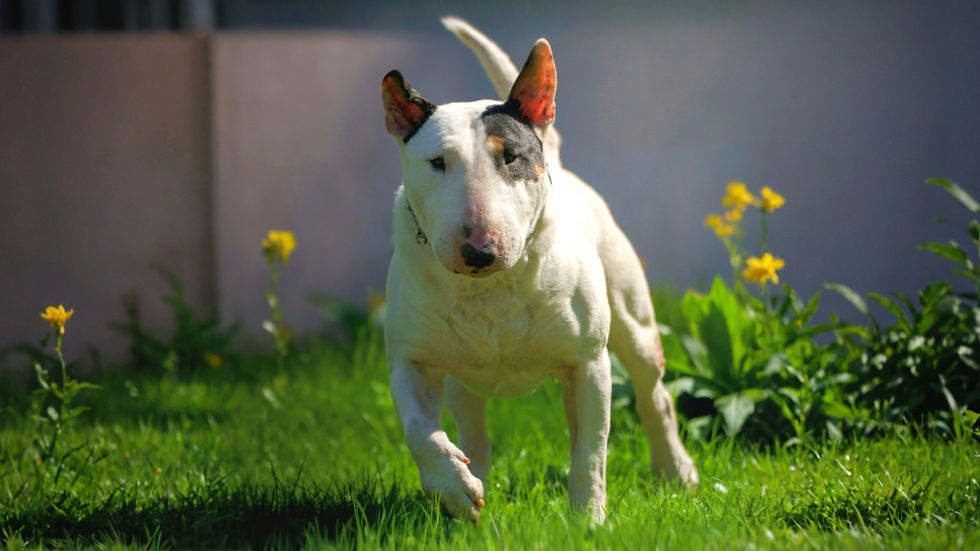
Compulsive tail chasing
A survey of 333 Bull Terriers found that tail chasing was linked to episodes of aggression and trance-like behavior. Male dogs were also more likely to display this behavior. Researchers also noticed that many affected dogs had phobias, partial seizures, and a tendency to shy away from people and other dogs, which reminded them of autism in children.
Shared blood markers
A study found that two stress-related hormones, neurotensin and corticotropin-releasing hormone, were elevated in children with ASD and in a small group of tail-chasing Bull Terriers compared with unaffected ones. The authors suggested these dogs could help researchers study features of autism, not that the dogs have it.
Environmental influence
A survey of 368 dogs found that early separation from the mother, poor maternal care, and timidity were tied to compulsive tail chasing. Dogs that got vitamin and mineral supplements chased their tails less. A gene region (CDH2) previously linked to flank sucking in Doberman Pinschers wasn't associated with tail chasing in this study.
What is canine dysfunctional behavior?
"Canine dysfunctional behavior" is an informal term you'll see for autism-like or compulsive behavior in dogs. It isn't a diagnosis in the veterinary sources we reviewed, so don't expect to see it on your pup's chart.
Instead, your vet is more likely to use one of these terms:
Canine compulsive disorder: A behavior repeated so often it disrupts a dog's daily routine, even when it causes sores or pain.
Abnormal repetitive behavior: The broader category veterinary references use for spinning, licking, and similar patterns.
Fear, anxiety, or phobia: Ongoing or dramatic fear responses to people, dogs, noises, or places.
Cognitive dysfunction syndrome: Age-related changes in senior dogs, like confusion or disrupted sleep.
Signs of autism-like behavior in dogs to watch for
There's no autism checklist for dogs, but autism-like behavior overlaps heavily with compulsive and anxiety-related behavior. Common signs include:
Tail chasing or spinning in tight circles
Chasing lights, shadows, or invisible flies
Freezing, staring, or seeming to zone out
Flank sucking or licking the same spot over and over
Pacing or fence running
Pulling away from people or other dogs
Strong reactions to loud noises or changes in routine
Sudden aggression, especially when interrupted
Some breeds seem more prone to certain patterns. Spinning shows up most often in Bull Terriers, flank sucking in Doberman Pinschers, and fly chasing in Miniature Schnauzers. German Shepherds are also commonly affected by tail chasing. Keep in mind that occasional tail chasing during play usually isn't a concern. Call your vet when a behavior causes injury, has no clear trigger, is hard to interrupt, or disrupts eating, sleeping, or play.
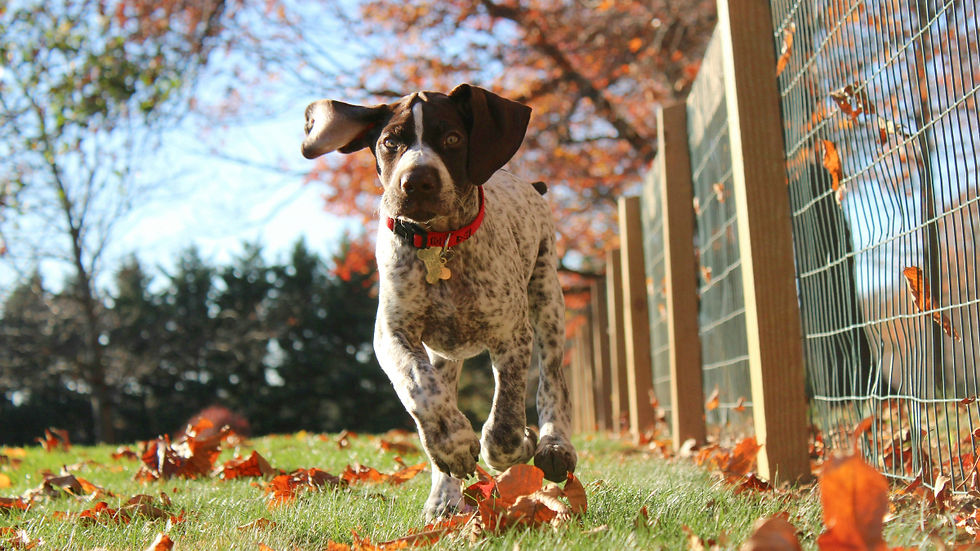
In my 15 years of working as a registered veterinary technician, I’ve only been asked once if I thought a client’s dog had autism. While the dog – a male Shetland Sheepdog – did show some abnormal behaviors, we did some digging and concluded that autism is not a veterinary diagnosis. Instead, this pup’s avoidance of eye contact and human interaction, disinterest in treats and toys, and exaggerated reactions to everyday sounds and sights were attributed to a combination of anxiety, potential maternal disposition, and environmental influences during key socialization periods.
So, while certain behavioral disorders are indeed possible in pets, autism is not currently a diagnosis that can be given to cats and dogs. And, in our Sheltie’s case, he fortunately experienced a relatively normal life with medication, lifestyle changes, behavioral modification techniques, and a dedicated parent.
Conditions that can look like autism in dogs
Several treatable conditions can cause repetitive, withdrawn, or unusual behavior. Here's how the most common lookalikes compare.
Condition | What it is | How it can look like autism | Helpful diagnostic clues |
Compulsive disorder | A normal behavior repeated until it disrupts daily life | Spinning, tail chasing, licking, staring | Hard to interrupt; may cause sores or injury; often starts in young dogs |
Fear and anxiety | Ongoing or excessive fear of people, dogs, noises, or places | Withdrawal, hiding, noise sensitivity, pacing | Behavior tied to specific triggers; trembling, panting, or lip licking |
Pain | Discomfort from injury, arthritis, dental disease, or skin and stomach problems | Irritability, withdrawal, licking or chewing one spot | Limping, stiffness, sensitivity to touch, or changes in appetite |
Focal seizures | Abnormal electrical activity in part of the brain | Fly snapping, staring spells, sudden repetitive movements | Episodes start and stop abruptly; dog may seem "out of it" afterward |
Cognitive dysfunction syndrome | Age-related decline in brain function | Confusion, staring, less interest in family | Seen in senior dogs; disrupted sleep, accidents indoors, getting stuck in corners or behind doors |
Signs of pain deserve special attention. Depending on the study, 28% to 82% of patients seen by veterinary behaviorists showed signs of discomfort. If your pup's behavior seems tied to fear or being alone, read up on dog anxiety and separation anxiety in dogs.
How vets figure out what's behind unusual behavior
If your pet is exhibiting unusual behavior, a vet visit will typically consist of two parts to determine the underlying cause.
Part one: The behavior history
Expect questions about when the behavior started, how often it happens, what triggers and stops it, and whether related dogs do the same.
To prepare:
Take short videos of the behavior
Keep a log of dates, times, and triggers
Note anything that interrupts it
Write down recent changes at home
Part two: The medical workup
Your vet will start with a physical exam and may recommend bloodwork, X-rays, or a neurological exam. Painful conditions, neurologic disease, and skin problems can all cause the same signs as compulsive disorder. Oftentimes, medical problems are ruled out first before a behavioral issue can be accurately diagnosed.
When to see a veterinary behaviorist
If the cause looks behavioral, your vet may refer you to a board-certified veterinary behaviorist. These are licensed veterinarians who've completed a specialty residency in behavior, published research, and passed a board exam through the American College of Veterinary Behaviorists. You'll see "DACVB" after their name.
That credential matters because anyone can call themselves a "behaviorist," including trainers with no formal behavior education. A true veterinary behaviorist can also diagnose medical contributors and prescribe medication.
Canine dysfunctional behavior treatment and day-to-day care
Autism isn't a canine diagnosis, so there's no treatment for it, but the behaviors grouped under "canine dysfunctional behavior" are often manageable. Treatment usually combines three approaches:
Environmental management: Identify and reduce triggers, keep a predictable routine, and introduce changes gradually.
Behavior modification: Use reward-based training to teach a calmer alternative, like settling on a mat, and slowly change how a dog feels about triggers.
Medication: When needed, your vet may prescribe drugs like fluoxetine or clomipramine to lower anxiety and make training easier to absorb.
At home, small habits can make a real difference:
Don't scold the behavior. Your dog isn't doing it on purpose, and punishment adds fear and frustration.
Redirect instead. Offer a food puzzle, a new toy, or a cue your pup already knows.
Don't reward it, either. Laughing at or filming tail chasing for fun can accidentally encourage it.
Build in daily enrichment. Aerobic exercise, sniff walks, play, and short training sessions help meet your dog's needs.

Do vaccines cause autism-like behavior in dogs?
Some pet parents worry that vaccines could trigger autism-like behavior in their dog. None of the veterinary or research sources we reviewed for this article supports a link between vaccines and autism-like behavior in dogs.
The studies above point to other factors, like breed, sex, early-life experiences, and medical conditions. If you notice a behavior change after any vet visit, bring it up with your vet.
What does behavioral care cost?
Behavioral care adds up. A medical workup may include an exam, bloodwork, and X-rays, and an initial consult with a board-certified veterinary behaviorist often runs about $495 to $665, based on published fees from Atlantic Veterinary Behavior, the San Francisco SPCA, and Oakland Veterinary Referral Services.
Follow-ups, training, and medication add more. Check if your dog insurance covers behavioral issues before you make the appointment so you know what to expect.
The bottom line on autism-like behavior in dogs
Dogs can't be diagnosed with autism, but some show behavior that resembles it, and the research behind that idea is small and mostly about Bull Terriers.
Repetitive, withdrawn, or unusual behavior deserves a vet visit, because pain, seizures, anxiety, and compulsive disorder are treatable, and a veterinary behaviorist can help when the cause is behavioral.
FAQ
Can dogs have ADHD?
Dogs aren't diagnosed with ADHD, but a University of Helsinki survey of more than 11,000 dogs found that hyperactivity and inattention were more common in young dogs, males, and dogs left alone for longer stretches. If your pup can't settle, talk to your vet about exercise, training, and ruling out medical causes.
Can dogs have autism or Down syndrome?
No veterinary source we reviewed lists either one as a diagnosis for dogs, though some dogs show autism-like behavior and some conditions can mimic features of Down syndrome. Learn more about Down syndrome here.
Is there a quiz to tell if my dog is autistic?
There's no vet-approved quiz or test for autism in dogs. Instead, write down the behaviors you see, take videos, and bring them to your vet so they can rule out medical causes and refer you to a behaviorist if needed.
Can puppies show autism-like behavior?
Repetitive behaviors like tail chasing often start early. In one study, most dogs began between three and six months old. Mention any intense or hard-to-interrupt habits at your puppy's next vet visit so they can be addressed early.