Key points
The best questions to ask a dog sitter cover experience, references, insurance, daily routine, and emergencies.
A good dog sitter has pet first aid training, a written contract, and an emergency plan.
Always do a meet-and-greet, then leave written care instructions covering feeding, medications, and insurance details.
If you're wondering where to leave your dog while on vacation, making that decision can be downright traumatic for some dog parents. When I counsel clients on this subject, I speak from personal experience because even though I am a calm veterinarian, I'm no doubt one of the most neurotic pet parents on this planet. There were times when I didn't take a vacation for years because I was scared to leave my pets.
Fortunately, I've overcome this irrational fear, and I like to share how I did it. The main thing that helped me take a relaxing trip was learning how to prepare beforehand. And the heart of getting ready before your travels is finding a great sitter – one that is prepared for emergencies, medication, and honest communication.
These are the essential questions you need to ask a prospective sitter grouped by theme (experience, safety, daily routine, emergencies, and logistics), as well as the red flags to watch for, what to ask a sitter found through an app or agency, what information to leave behind, and a quick FAQ. We go beyond the basics to cover the health and financial preparedness – like emergency vet authorization and insurance details – that keep your dog safe if something goes wrong.
Why the questions to ask a dog sitter matter
Your dog's health and safety, as well as your peace of mind, can depend heavily on who you choose as your dog sitter. There's no better way to separate professionals from hobbyists than to meet them in person and conduct a thorough interview.
Questions about experience and background
Experience and background are critical to know. It's the foundation of the knowledge you need to select the best sitter.
1. How long have you been pet sitting, and with what kinds of dogs?
You may think how long a person has been pet sitting is the most important factor. However, fit is more important than time. You need to know if the prospective sitter has handled dogs of your pup's size, energy level, and age.
2. Can you share references or recent reviews?
Professionals come prepared to answer this question and will have references readily available. But references are only good if you actually call them. Call at least two, or browse a national directory of professional pet sitters.
3. Have you cared for dogs with special needs or anxiety?
Separation anxiety in dogs is a special condition, and you need someone who understands it. Not knowing about this issue can lead a sitter to see it as misbehavior. Ask outright what they would do if your dog began pacing, whining, or skipped a meal.

Questions about safety, insurance, and credentials
Naturally, your pup's safety is at the forefront of your mind. It's the main reason you've avoided going away. The following questions may cushion those concerns.
4. Are you insured and bonded?
The American Kennel Club recommends that sitters be licensed, insured, and bonded. You likely won't need it, but you want that coverage in place if your dog gets hurt, escapes, or damages your property. It's not rude to ask for proof.
5. Are you trained in pet first aid or CPR?
As a veterinarian, I recommend that sitters and pet parents enroll in the American Red Cross cat and dog first aid course; you will also receive a free pet first aid app. The minutes between choking, bloat, or heat stroke and the time your dog arrives at the vet are precious and can literally mean the difference between life and death.
6. Do you use a written contract?
I used to rely on verbal promises when I hired a pet sitter, but after getting "burnt" a couple of times, I came to believe firmly in written agreements. They should include services, fees, dates, cancellation terms, and who can authorize vet care.
Questions about your dog's daily routine and care
Veterinary behavioralists will tell you adamantly that your dog does best when it can follow the same schedule each day. Be sure to ask the following questions:
7. What does a typical day look like?
It's not wrong to ask a prospective sitter what they think a typical day caring for your pet would look like. They should include walks, play, meals, and alone time. You need to find out how it compares to your dog's usual routine and whether they can adjust if it doesn't. Dogs do best when their schedule stays the same.
8. How will you handle feeding and dietary restrictions?
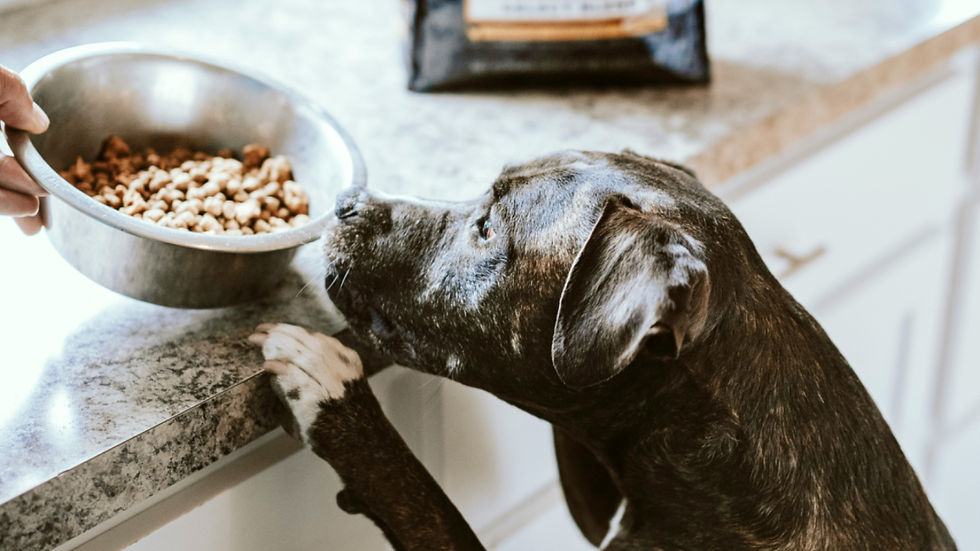
This isn't exactly a question, but it's a very important confirmation. Go over your dog's exact portions, treat rules, feeding times, and any foods your dog can't eat. Observe whether the prospective sitter takes notes – extra points if they do.
9. How often will you send updates?
Whether I'm away for a day, a week, or two, nothing reassures me more than a daily photo. Daily photos or texts should be standard, not a favor. Also ask how they'd settle a stressed dog – a sitter who knows how to calm an anxious dog moves to the top of your list.
Emergency and medical questions to ask
This category covers the issues that can worry you the most. Rest assured, it is very unlikely that anything medical or emergency-related will happen, but you want your sitter prepared in case it does. This helps keep small medical mishaps from becoming big ones.
10. What would you do in an emergency?
It's not likely to happen and not a reason to skip that vacation, but you want to know how your sitter would react in an emergency. Listen for a specific plan, and make sure it includes: assess your pup, call you, call the vet, and get moving. Then confirm they know the nearest 24/7 emergency hospital – the time to locate it is before your trip, not mid-crisis.
11. Are you comfortable giving medication?
If your dog has a chronic condition and needs medication, make sure your sitter is experienced in administering it. And, of course, being comfortable giving pills is not the same thing as giving an insulin injection.
12. Will you use my vet authorization and insurance details if something happens?
This is less of a question and more of a reminder of what you want done if something goes wrong. Show the prospective sitter where you will leave a signed veterinary treatment authorization with a pre-approved spending limit. Also leave your dog health insurance details (policy number, insurer phone, claims basics). You don't want finances or paperwork to delay treatment. As a veterinarian, I can tell you minutes count.
13. What's your backup plan if you can't make it?
Sitters get sick, cars break down, and pets can't wait. A professional has a backup plan.
What to ask if you're using an app or agency
On apps like Rover or Care.com, the questions to ask a potential dog sitter or even a dog walker don't change – just add the following two questions.
14. How does the platform screen its sitters?
Background checks vary by agency. Make sure the one you are considering satisfies you.
15. Can we do a meet-and-greet first?
Pet Sitters International recommends an in-person meet-and-greet before any booking. This will let you see firsthand how the sitter interacts with your dog. You can also show them around your house so they know where everything is kept and how your dog goes about its daily routine.

In-home sitter vs. boarding vs. app-based sitter
Still having difficulty deciding who's going to care for your dog while you're on vacation? As a veterinarian, my clients have told me that when they choose an in-home sitter, it seems to be the best option for anxious or senior dogs. It keeps their pup's routine and environment intact.
On the other hand, if you board your dog, there will be constant supervision and socialization; this breakdown of pet boarding options and costs helps you compare. If you've decided to take your dog with you instead, see these tips about safely flying with your dog.
Red flags – and what a good sitter asks you
Not only should you have questions to ask a prospective sitter, but they should also have questions for you. Humane World for Animals notes in its advice on choosing and preparing a pet sitter that a true professional has their own pet sitting questions to ask you – about your dog's routine, quirks, vet, and emergencies. Having no questions is a red flag.
Other red flags include:
No verifiable references or reviews
Unwillingness to meet in person first
A vague or missing emergency plan
No written service agreement
It's easy to like the applicant's personality so much that you tell yourself it's no big deal if they don't meet the other criteria. But this is your best friend you're talking about, so is that true?
What to leave for your dog sitter
Put everything in writing – if the sitter sends a pet sitting questionnaire, fill it out fully. The American Veterinary Medical Association also recommends keeping vaccinations and parasite prevention current; update your sitter on both.
Writing down everything you want your sitter to do is what gives me the most comfort when I have to leave my dog at home. My lists used to be annoyingly lengthy. I've since learned to trim them down to include the following:
Category | What to leave |
Feeding | Food, portions, schedule, treat rules |
Medications | Doses, times, administration tips |
Vet contacts | Your vet, nearest 24/7 ER, signed treatment authorization |
Insurance and ID | Policy number, insurer phone, microchip number |
Behavior notes | Fears, commands, quirks, walking gear |
Home details | Keys, alarm codes, local emergency contact (family member, friend, or neighbor) |
Health | Printed medical history summary |
Pet sitter interview questions and answers (FAQs)
What are the red flags in a dog sitter?
The biggest warning signs are no verifiable references or reviews, reluctance to meet you and your dog in person before booking, a vague answer – or no answer – when you ask about emergencies, and no written service agreement. Any one of these is reason enough to keep looking.
Should a dog sitter be insured and bonded?
Yes. A professional dog sitter should carry liability insurance and be bonded, which protects you financially if your dog is injured, escapes, or your property is damaged while you're away. Don't just take their word for it – ask to see current proof of coverage, and confirm it applies to care in your home.
How much should you pay a dog sitter per day?
Rates vary widely by location, services included, and your dog's needs – overnight in-home sitting typically costs more than drop-in visits or walks. Confirm exactly what's included and what costs extra, then ask about holiday surcharges, extra-pet fees, and the cancellation policy up front so the final bill holds no surprises.
What information should I leave for my dog sitter?
Leave written feeding and medication schedules, your vet's contact information and the nearest 24/7 emergency hospital, your dog's microchip number, pet insurance details – policy number, insurer phone, and claims basics – plus behavior notes and clear house instructions. Walk the sitter through everything at the meet-and-greet.