Updated: Jul 22
You’re soaked. Your puppy is looking up at you like you’ve committed the ultimate betrayal. The bathroom floor is covered in water, there’s shampoo everywhere. It's utter chaos and you feel defeated.
It doesn’t have to go that way. With a little preparation and a few simple steps, your puppy’s first bath can be calm, safe, and much less messy than you imagined.
Key points
Most pups can have their first bath around 8 weeks old. Very young puppies just need a warm, damp washcloth. Always ask your vet.
Puppies only need an occasional bath, depending on their coat type, breed, and how muddy they get.
Use lukewarm water and a puppy-safe shampoo, and gently avoid the ears and eyes.
When can you give your puppy their first bath?
Most puppies can have their first bath around 8 weeks of age, according to the American Kennel Club. Younger pups are more delicate, and may not be able to regulate their body temperature, so skip the full bath. Instead, spot-clean messes with a warm, damp washcloth.
Every puppy is different, so it's always smart to ask your vet before that first bath. They know your pup's age, breed, and health, and can tell you when the timing is right.
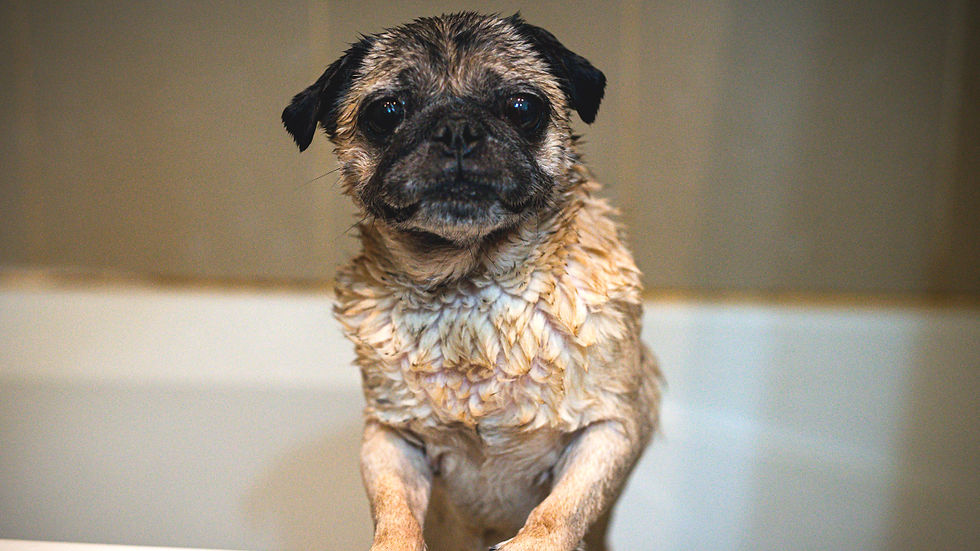
How often should you bathe a puppy?
Most pups only need an occasional bath, and more often mainly when they get dirty. How often really depends on your puppy's coat type, breed, and lifestyle.
The VCA Animal Hospitals grooming guide notes that dogs need bathing only on an occasional basis, and some breeds only need a bath about every six to eight weeks. In fact, the American Kennel Club warns that over-bathing can strip too much oil from your pup's skin, so more isn't always better.
Here's a quick guide by coat type:
Coat type | Common breeds | Typical bathing schedule* |
Hairless | Chinese Crested, Xoloitzcuintli | About once a week to remove oil buildup and keep the skin healthy |
Oily coats | Basset Hound, Cocker Spaniel | Every 2–4 weeks, depending on how oily the coat becomes |
Long, silky coats | Yorkshire Terrier, Maltese, Shih Tzu | Every 4–6 weeks, along with regular brushing to prevent tangles |
Curly or wavy coats | Poodle, Labradoodle, Portuguese Water Dog | Every 4–6 weeks, with frequent brushing to help prevent mats |
Double-coated | Golden Retriever, Labrador Retriever, German Shepherd, Siberian Husky | Every 6–8 weeks or when dirty; frequent washing can break down their protective oils |
Short, smooth coats | Beagle, Boxer, Doberman Pinscher, Greyhound | Every 1–3 months or whenever they’re dirty |
*These are general guidelines. Your puppy may need more or fewer baths depending on how active they are, how dirty they get, and whether they have a skin condition. Your veterinarian or groomer can recommend the best schedule for your puppy.
What you need before bath time
Setting everything out ahead of time makes the process smoother. Trust us, you don't want to be reaching for a towel with a soapy, wiggly puppy in one hand.
Here's your checklist:
Puppy-safe shampoo (never human shampoo)
A non-slip bath mat
A cup or detachable sprayer for rinsing
2 or 3 clean, absorbent towels
A handful of treats
Cotton balls to gently protect the ears (optional)
A brush for after the bath
If your puppy has a medium or long coat, give them a quick brush before the bath to remove tangles and loose fur. Wet mats become tighter and harder to remove.
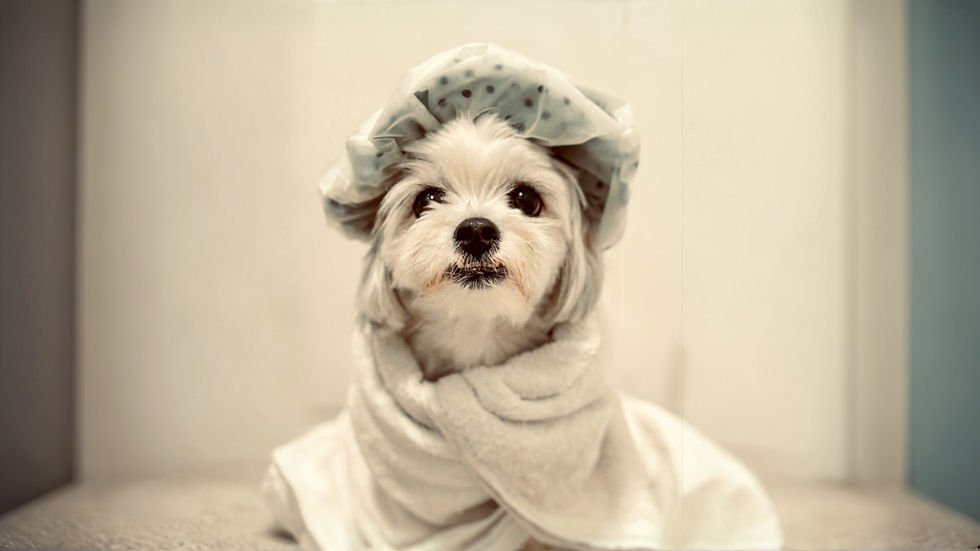
How to bathe a puppy step by step
Once you've gathered your supplies, you're ready to go. Here's how to bathe a puppy in 5 easy steps.
Step 1 – Choose a puppy-safe shampoo
Reach for a shampoo made specifically for puppies, and never use human shampoo. A dog's skin has a different pH than ours, so human products can disrupt their skin's protective layer, called the acid mantle, as VCA Animal Hospitals explains. That pH difference is exactly why the right shampoo matters.
An oatmeal-based, fragrance-free formula is a gentle pick for young pups. For very young puppies, ask your vet which product is best. The right shampoo also helps you avoid common skin problems in dogs down the road.
Step 2 – Cuddle and reassure your pup
Before any water touches your puppy, spend a minute building a positive association. Give them a few gentle pets, some calm praise, and a treat or two. You want your pup to feel safe, not startled.
A little reassurance now goes a long way. If your puppy links bath time with cuddles and rewards, future baths get easier.
Step 3 – Prep the tub
Lay your non-slip mat down first so your pup feels steady on their paws. A slippery surface can make a nervous puppy panic, and steady footing helps them relax.
Next, fill the tub with a few inches of lukewarm water. Test it on your wrist. It should feel comfortably warm, never hot or cold. If your puppy tends to get anxious, smear a little peanut butter on a licking pad stuck to the wall. It's a simple trick that keeps them happily distracted.
Step 4 – Shampoo gently
Wet your pup's coat with the cup or sprayer, working from the neck down. Apply the puppy-safe shampoo and lather gently, moving with the grain of the fur. Carefully avoid the ears, eyes, and mouth as you go.
Keeping water and suds out of the ears matters, since moisture there can lead to a dog ear infection. The Merck Veterinary Manual advises avoiding water in the ears during bathing for exactly this reason. When you're done lathering, rinse thoroughly. Leftover soap can irritate the skin, so take your time and make sure every trace is gone.
Step 5 – Condition, rinse, and dry
If your puppy has a longer or thicker coat, follow up with a puppy-safe conditioner, then rinse thoroughly again. A complete rinse keeps their skin from getting itchy or flaky.
Now wrap your pup in a towel and pat them dry. If they'll tolerate it, a blow dryer on the cool setting speeds things up. Keep it moving and hold it at a distance so it never feels hot. Once they're dry, a quick brush removes loose fur and leaves that coat looking great.
If your puppy also needs a nail trim, it’s usually easier to do it after they’re dry and relaxed rather than during the bath.
How to keep bath time calm if your puppy hates water
Plenty of pups aren't fans of water, and that's completely normal. If your puppy resists, stay calm and go slow. Getting frustrated only makes them more anxious.
Practice when it’s not bath time. Let your puppy explore the empty tub or sink for a few minutes every few days. Toss in treats or a favorite toy so they learn the space isn’t something to fear.
Break it into small wins. Instead of aiming for a full bath, reward your puppy for each step, like standing in the tub, tolerating a little water on their paws, or staying calm while you handle them. Building confidence gradually is often more effective than trying to do everything at once.
Use high-value rewards. Save your puppy’s favorite treats, like small pieces of chicken or cheese, for bath time only. This helps create a strong positive association with the experience.
Know when to stop. If your puppy becomes extremely frightened or starts panicking, end the session and try again another day. Forcing a puppy through a scary experience can make future baths even more difficult.
Practice handling between baths. Gently touch your puppy’s paws, ears, tail, and face during everyday cuddle sessions, then reward them. Puppies that are comfortable being handled often have an easier time with bathing and grooming.
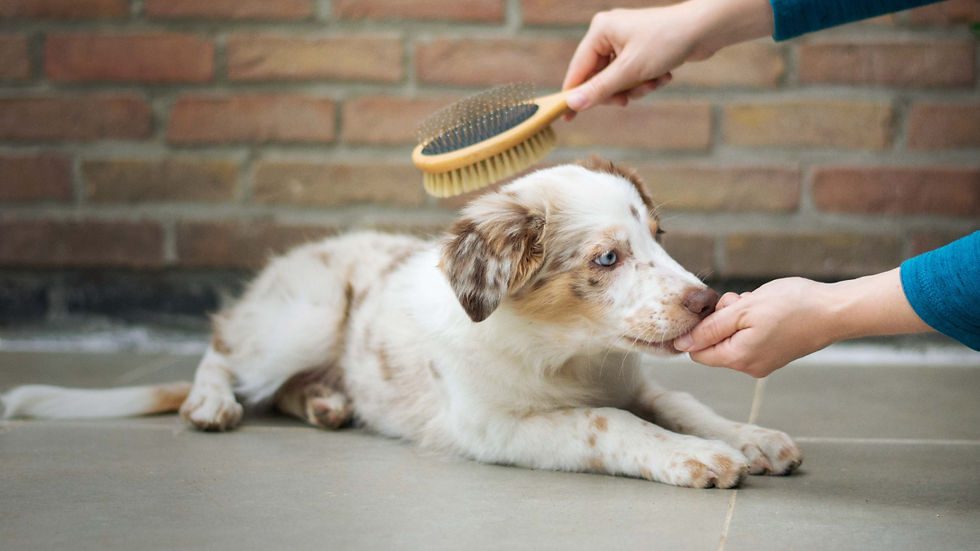
Where to bathe your puppy based on size and coat
The best spot for bath time often comes down to your puppy's size. A kitchen or utility sink works well for small breeds, while a bathtub is easier for larger pups. Whatever you choose, never leave your puppy unattended in the tub, even for a moment.
Some coats need extra help, too. Curly or dense-coated breeds like Poodles and Cocker Spaniels can benefit from a professional groomer, especially for trims and thorough drying. A groomer is a great option when your pup's coat needs more than a basic wash.
FAQs about bathing a puppy
When can you give a puppy its first bath?
Most puppies are ready for their first real bath around 8 weeks old. Before that age, stick to spot-cleaning with a warm, damp washcloth. When in doubt, check with your vet about the right timing for your pup.
Should I bathe my puppy after bringing them home?
Not necessarily. Unless they’re dirty or smelly, it’s usually best to let your puppy settle into their new home for a few days before giving their first bath. This gives them time to adjust to their new environment without adding another potentially stressful experience.
How often should you bathe a puppy?
Most puppies only need an occasional bath. How often depends on their coat type, breed, and how dirty they get. Bathing too often can dry out their skin, so try not to overdo it.
Can you use human shampoo on a puppy?
No, human shampoo isn't safe for puppies. A dog's skin has a different pH than ours, and human products can disrupt their skin's protective acid mantle. Always choose a shampoo made for puppies instead.
What water temperature is safe for a puppy bath?
Lukewarm water is best. Test it on your wrist first. It should feel comfortably warm, similar to what you'd use for a baby, and never hot or cold. The right temperature keeps your pup comfortable and safe.
How do you bathe a puppy that hates water?
Go slowly and keep the session short. Use treats, calm praise, and a licking pad with peanut butter to build positive associations. Ending on a happy note helps your pup feel less stressed the next time.
How do you clean a puppy without a full bath?
For quick messes or very young pups, a warm, damp washcloth does the trick. Gently wipe down the dirty spots, then dry with a soft towel. It's a great way to freshen up between baths.
Keeping your puppy happy and healthy
The first bath probably won’t be perfect, and that’s okay. The goal isn’t a spotless bathroom or a perfectly still puppy. It’s helping your pup feel safe while keeping their skin and coat clean and healthy.
Before long, you’ll both know exactly what to expect. The puppy who once tried to leap out of the tub may start standing calmly for a rinse or even enjoy the extra attention. And if you still end up a little wet now and then? That’s just one more memorable part of life with a puppy.