Key Points
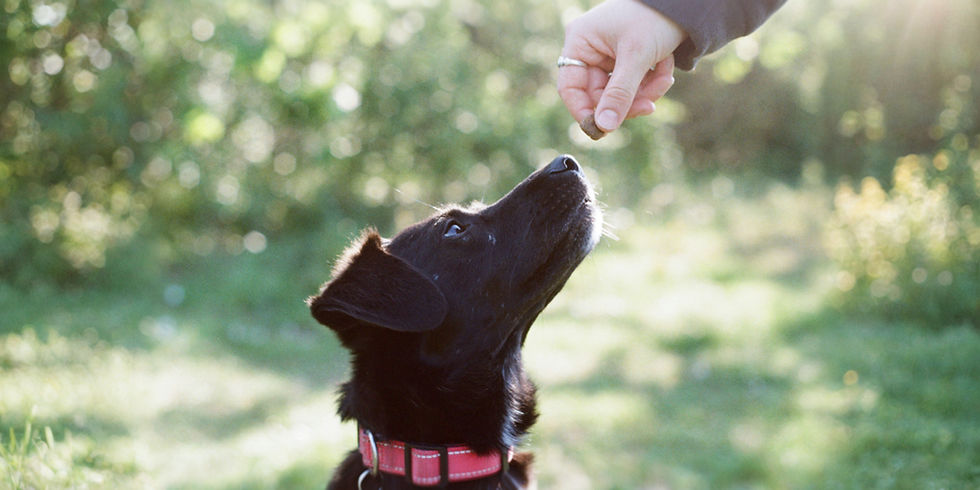
Any dog can learn, no matter their age, and the most effective way to train your dog is with positive reinforcement and by rewarding the behavior you want.
Most beginners struggle for three fixable reasons: sessions that run too long, inconsistent cues, and rewards that arrive too late. Keep sessions to five to 10 minutes and reward the instant your dog gets it right.
Start with sit, come, stay, down, and leave it, which are essential behaviors every pup should know.
Your new dog has been home for a week. In that time, they've figured out which drawer holds the treats, that your side of the couch is the comfiest spot in the house, and that if they stare at the back door long enough, somebody eventually opens it. Dogs are always learning. The hard part is getting them to learn what you had in mind.
That’s really what training is all about – showing your dog which behaviors pay off. You don't need a professional trainer on speed dial or an hour of free time every day. A handful of small treats and about 10 minutes of dog training at home is plenty to get started.
These dog training tips for beginners are based on veterinary behavior guidelines, so you can tune out the conflicting advice online and start with what works.
How to train your dog with a simple plan
Here's the short version of how to train a dog at home:
Pick one simple behavior, like sit.
Reward it the moment it happens.
Keep sessions to five to 10 minutes.
Use the same cues and rules across the household.
Add distance, duration, and distractions gradually.
The core principles of dog training
Veterinary behavior experts agree that reward-based training is the most effective, humane way to train dogs. The American Veterinary Society of Animal Behavior (AVSAB) states there's no evidence that aversive methods are necessary, and the ASPCA's position on training methods favors lures and rewards like food, praise, and play.
Keep the following key tips in mind when training your pup:
Reward what you want. Behavior that pays off gets repeated.
Time it right. Reward within a second or two, so your dog knows exactly what earned it. A marker word like "yes!" or a clicker helps.
Stay consistent. Everyone in the home needs to use one cue with one meaning for each skill.
Keep it short. End on a positive note, while your dog still wants more.
Before you start: Set yourself up for success
A little prep before your first session makes training easier on both of you. Here’s what to sort out first:
Gather simple gear: Pea-sized treats, a flat collar or harness, a standard leash, and a quiet room are essentials for training your dog. Practice dog training collar safety and skip prong, choke, and shock collars, which veterinary guidelines link to fear and stress.
Know your dog's stage. Puppies have a critical socialization window in roughly their first three months, so positive exposure to new people, sounds, and surfaces is important early in life. Crate training your puppy also helps with house training. If you’ve adopted an adult dog, give them a few days to decompress first.
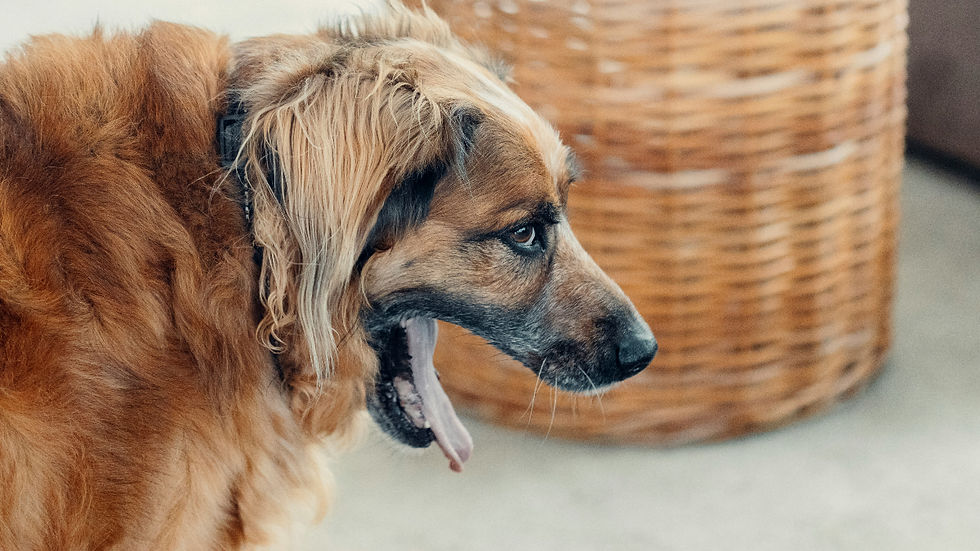
Learn to read your dog. Yawning, lip licking, turning away, or suddenly sniffing the floor mid-session can mean your dog is stressed or overwhelmed. When you see those signs, make the next cue an easy win, then call it a day. Pushing through rarely helps, and your dog will come back fresher next time.
How to teach your dog any command: A step-by-step method
Use this method to teach your dog basic commands and tricks alike:
Lure your dog into position with a treat at their nose.
Mark and reward by saying "yes!" the instant they get it, then treat.
Repeat five to 10 times, stopping while they're still eager.
Add the cue word right before you lure.
Fade the lure to an empty-hand signal.
Generalize by practicing in new places, and add distance, duration, and distractions one at a time.
If your dog gets stuck, go back a step and give them easy repetitions to build confidence.
Essential first commands every dog should know
These five cues cover everyday manners, and some could keep your dog out of serious trouble.
Sit
The easiest starter cue and a polite default for greetings and doorways.
Come (recall)
A reliable recall can stop your dog from darting into traffic. Practice indoors first, call in a happy voice, and celebrate every arrival. Never call your dog for something potentially unpleasant, like a bath or medication.
Stay
Ask for a sit, show a flat palm, wait one second, then reward. Build up to longer stays with distractions slowly.
Down
Lure a treat from your dog's nose straight down to the floor. Down is a natural settle position for veterinary waiting rooms and calm evenings.
Leave it (and drop it)
Think of these as poison-prevention skills. "Leave it" means ignore that dropped pill or chicken bone. "Drop it" means release what's already in their mouth. Teach both by trading for a better treat. Whatever you do, don’t chase your puppy who has something they shouldn't have in their mouth. I’ve learned that it always turns into a game of keep away, or “see if I can swallow it before Mom catches me,” and I’m never the winner in these games.
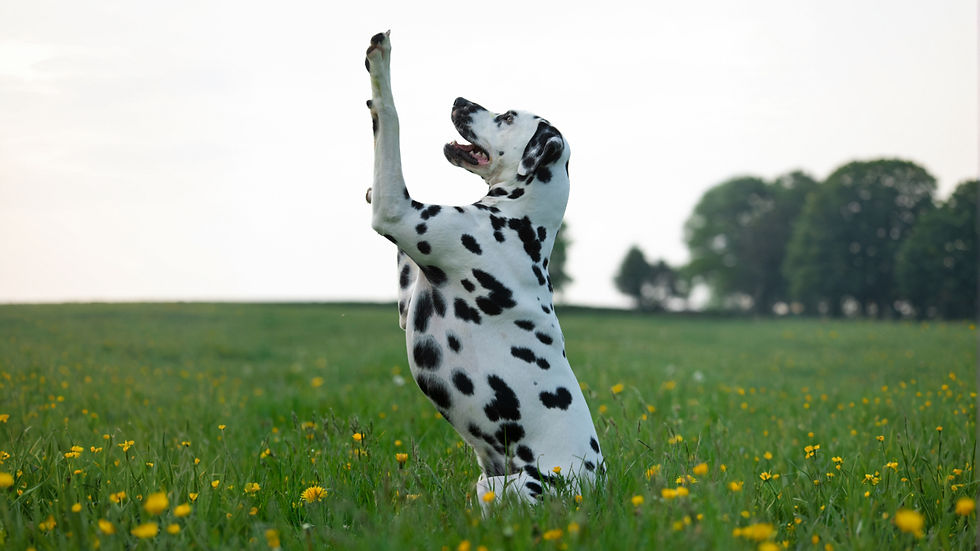
Once your pup has these basics down, keep things interesting with some fun tricks to teach your dog. They’ll help burn off some energy, and they're great mental exercise, too.
Building a simple daily training routine
Short dog training exercises folded into your day add up fast. You can also have your kids join simple, supervised sessions to ensure the whole family is on the same page with cues, and to teach both two- and four-legged children to play safely together.
Here's a sample of how to help your dog learn throughout the day:
When | What to practice | Time |
Before breakfast | Sit and down for pieces of their meal | Five minutes |
During walks | Loose-leash walking, recall on a long line | Intermittently, with periods for sniff breaks |
Midday or after work | One new cue or trick | Five to 10 minutes |
Evening | Stay and leave it, plus a calm settle on a mat | Five minutes |
Common training mistakes to avoid
Most training setbacks come down to a few common mistakes, and each one is easy to fix once you spot it.
Watch out for these issues:
Long sessions: A tired dog stops learning and becomes frustrated much more easily.
Repeating cues: "Sit, sit, SIT" becomes the cue. Say it once, or reset the stage for the skill.
Late rewards: A delayed treat rewards your dog for whatever action just happened, not what you were trying to capture.
Punishment: Yelling and leash jerks can create fear and worsen behavior, according to veterinary behavior guidelines.
Expecting perfection: Some breeds are among the easiest dogs to train, while others need extra patience.
When to get professional help
Plenty of training can happen at home, but some problems need an expert. The right one depends on what’s behind the behavior.
Who to see | Best for | Examples |
Veterinarian | Behavior that's sudden, new, or potentially health-related | House-training setbacks in a trained dog, irritability when touched, changes in a senior dog |
Certified dog trainer | Manners, obedience, and building skills | Puppy classes, leash pulling, jumping, recall practice |
Veterinary behaviorist | Serious or complex behavior problems | Aggression, severe separation anxiety, phobias, or cases that may need medication |
If a behavior problem shows up out of nowhere, start with your vet. Sudden accidents, snapping when touched, or new reactivity can all be signs of pain or illness rather than a training issue. The American Animal Hospital Association’s behavior management guidelines recommend treating underlying medical conditions before behavior problems, so it’s worth ruling those out before you book a trainer.
Start small, stay positive, and keep going
Learning how to train your dog to behave takes time, and that's OK. Start with one command, keep sessions short, and celebrate small wins. Training isn't a one-time task; it's an ongoing conversation that strengthens your bond.
FAQ
What is the 3-3-3 rule for dog training?
It describes a newly adopted dog's adjustment timeline, where it takes roughly three days to decompress, three weeks to settle into a routine, and three months to feel fully at home. Go easy on formal training in the first few days.
How do I train my dog at home as a beginner?
Start with short, five- to 10-minute positive reinforcement sessions in a quiet room, and teach one simple command at a time. Reward immediately, stay consistent, and skip the special equipment.
What are the first commands I should teach my dog?
Begin with sit, come, stay, down, and leave it. Come and leave it are especially important because they can keep your dog safe.
How long does it take to train a dog?
Basic commands often start clicking within days to a few weeks of daily practice, but training is ongoing. Consistency matters far more than session length.