Updated: Jun 12
Key points
Yes, dogs do sweat, but only through the merocrine glands in their paw pads, which play a small role in cooling.
Panting is your dog’s primary way of releasing heat, not sweating.
Dogs can overheat quickly in warm weather, and heatstroke is a life-threatening emergency.
Shaving a double-coated dog can actually make overheating worse, not better.
You’ve probably noticed your dog doesn’t drench a T-shirt the way you do after a summer run. That’s because dogs don’t sweat the same way humans do. Dogs do sweat, but only through their paw pads – and that barely scratches the surface of how they regulate body temperature.
Understanding how dogs cool down matters more than you might think. Every summer, vets see a spike in heat exhaustion in dogs, much of it preventable. The more you know about your dog’s cooling system, the better you can protect them when temperatures climb.
How do dogs sweat?
Dogs have two types of sweat glands, and they work very differently from ours.
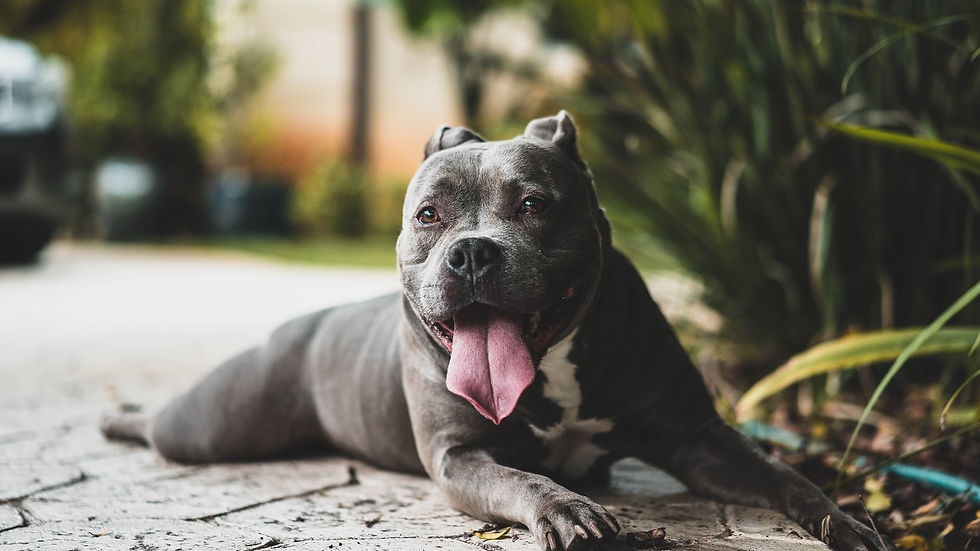
Merocrine glands are the ones most like human sweat glands. They’re found in your dog’s paw pads and release moisture that evaporates to help cool them down.
If you’ve ever noticed damp paw prints on a hot day, that’s your dog sweating. But paw pads are a tiny surface area, so merocrine glands contribute only a small amount of cooling.
Apocrine glands are located all over your dog’s body, near hair follicles. Despite being called “sweat glands,” they don’t help with temperature regulation at all. Instead, they release pheromones – chemical signals that help dogs identify each other.
Here’s a quick comparison:
Merocrine glands | Apocrine glands | |
Location | Paw pads only | All over the body |
What they release | Watery sweat | Pheromone-containing oils |
Cooling function? | Yes, but limited | No |
Equivalent in humans | Eccrine sweat glands | Scent glands |
So, while dogs do have sweat glands, sweating isn’t their go-to cooling method. They rely on other, much more effective strategies.
How do dogs cool themselves down?
Since a dog sweating through paw pads only does so much, your dog depends on two main mechanisms to beat the heat: panting and vasodilation. Unlike humans, who cool themselves through evaporation across most of their skin, dogs have to move heat out of the body through their respiratory system and blood vessels.
How does panting cool your dog down?
Panting is your dog’s air conditioning system. When your dog pants, they breathe in cool air over the moist surfaces of their tongue, mouth, and upper airways. That moisture evaporates, pulling heat away from their body.
It’s remarkably effective. A panting dog can take hundreds of breaths per minute, creating a constant cycle of evaporative cooling. That’s why you’ll see even healthy dogs panting after a walk on a warm day. It’s completely normal.
What is vasodilation and how does it help?
Vasodilation is a less obvious but important cooling tool. When your dog gets warm, blood vessels near the skin’s surface expand. This brings warm blood closer to the surface, where heat can radiate outward.
You might notice this in your dog’s ears, belly, or other areas with thinner fur. The flushed, warm feeling is vasodilation at work. Combined with panting, it helps your dog shed excess heat efficiently, as long as conditions aren’t extreme.
What are the signs your dog is overheating?
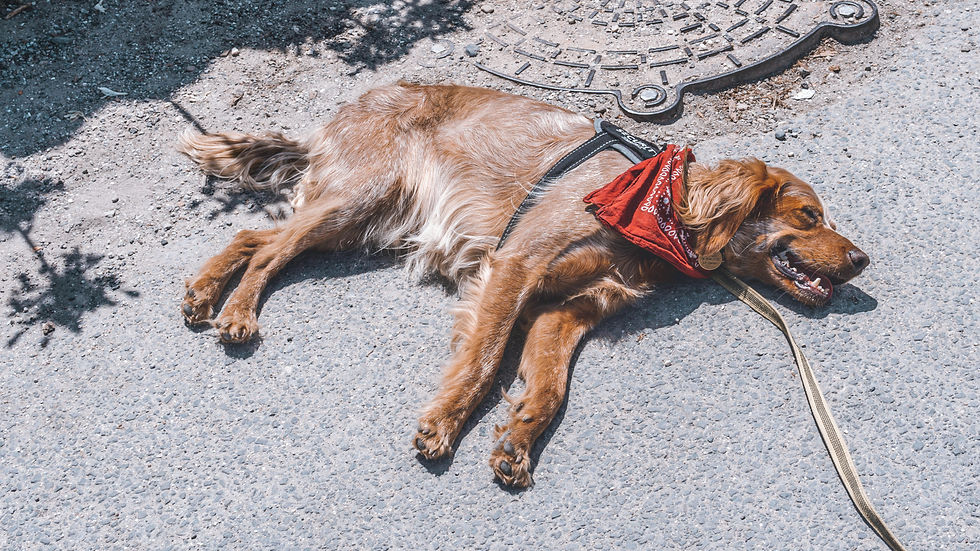
Dogs can go from warm to dangerously overheated quickly. Once their cooling mechanisms can no longer keep up, heat can begin damaging organs and tissues throughout the body.
As their body temperature rises, you'll often notice changes in breathing, gum color, energy level, and coordination before a true heatstroke emergency develops.
Watch for these warning signs:
Excessive or heavy panting that doesn’t slow down with rest
Drooling more than usual, especially thick or ropy saliva
Red or dark-colored gums and tongue
Rapid heartbeat
Lethargy, stumbling, or seeming disoriented
Vomiting or diarrhea
Glazed eyes or a distant stare
Early signs like heavy panting and drooling are your cue to act. Move your dog to a cool area, offer water, and apply cool (not ice-cold) water to their paws, belly, and ears. Catching it early can prevent a full heatstroke crisis.
If your dog collapses, has seizures, or becomes unresponsive, this is a medical emergency. Get to a vet immediately.
What should you do if your dog has heatstroke?
Heatstroke is a life-threatening emergency. At this stage, your dog's body temperature has risen high enough that it can no longer regulate itself effectively, putting the brain, heart, kidneys, and other organs at risk of damage.
If you suspect it, act fast:
Move your dog to a cool, shaded area or an air-conditioned room immediately.
Apply cool water to their neck, armpits, and groin. Avoid ice water – it can constrict blood vessels and trap heat inside.
Place cool, wet towels on their body, replacing them frequently so they don’t warm up and insulate heat.
Offer small amounts of cool water if your dog is conscious and willing to drink. Don’t force it.
Get to a vet as soon as possible. Even if your dog seems to recover, internal damage from heatstroke can develop hours later.
According to the Cornell University College of Veterinary Medicine, heatstroke can cause organ failure and is fatal if untreated. Quick action saves lives.
How can you keep your dog cool in hot weather?
You don’t need to overthink it. Heat-related illness is often the result of multiple factors, including temperature, humidity, exercise level, and access to shade and water. A few simple habits can dramatically reduce your dog's risk.
A few simple habits go a long way:
Walk during cooler hours. Stick to early morning or evening walks when pavement is cooler and the air temperature has dropped.
Provide fresh water at all times. Dehydration in dogs can happen faster than you’d expect, especially in heat.
Offer shade and airflow. If your dog spends time outdoors, make sure they have shaded areas and aren’t stuck in direct sunlight.
Use cooling mats or wet towels. Placing a damp towel on your dog’s belly or offering a cooling mat gives them a spot to dump excess heat.
Never leave your dog in a parked car. Even with windows cracked, car interiors can reach dangerous temperatures in minutes.
Limit intense exercise. Save fetch marathons and long hikes for cooler days.
Try frozen treats. Ice cubes, frozen broth, or dog-safe frozen snacks are a fun way to help your pup cool down from the inside.
Will shaving your dog help them cool down?
This is one of the most common myths about pets and hot weather, and the answer depends on your dog’s coat type.
Single-coated breeds like Poodles have one layer of fur. A trim can help them feel more comfortable in the heat, though it won’t dramatically change how they regulate temperature.
Double-coated breeds like Huskies, Golden Retrievers, and German Shepherds have a dense undercoat beneath a longer outer coat. That undercoat acts as insulation, trapping cool air near the skin and blocking the sun’s heat. Shaving it removes that protection and can actually make your dog hotter, not cooler. It also increases the risk of sunburn.
If your dog has a double coat, regular brushing to remove loose undercoat is far more helpful than shaving. When in doubt, ask your groomer or vet what’s best for your dog’s breed.
Which dog breeds are most sensitive to heat?
Some dogs are at higher risk of overheating. Breeds that can't pant efficiently, carry more body mass, or were developed for colder climates often have a harder time releasing excess heat.
Keep a closer eye on these breeds in warm weather:
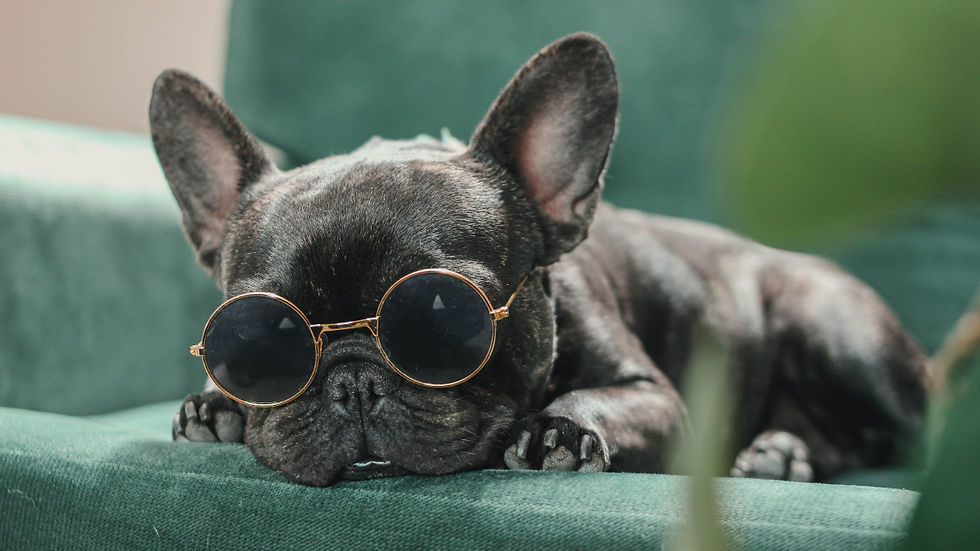
French Bulldogs: Their flat faces make it harder to pant efficiently.
English Bulldogs: Same brachycephalic anatomy, plus a stocky build that retains heat.
Boxers: Another brachycephalic breed prone to breathing struggles in heat.
Pugs: Short snouts and compact bodies make cooling difficult.
Cavalier King Charles Spaniels: Their flat-face structure puts them at increased risk.
Giant breeds (Saint Bernards, Mastiffs, Bernese Mountain Dogs): Larger bodies generate more heat and take longer to cool.
Thick-coated breeds (Huskies, Chow Chows, Malamutes): Bred for cold climates, they struggle in sustained heat.
Senior dogs and puppies: Age affects temperature regulation regardless of breed.
If your dog falls into any of these categories, take extra precautions during hot weather. Shorter walks, more shade, and constant access to water can make all the difference.
Your dog isn't built to sweat it out
You can cool off with a sweaty T-shirt and a cold drink. Your dog has to rely on panting, blood flow, and a little bit of sweating through their paw pads instead.
Most of the time, that system works beautifully. But on hot days, your dog depends on you to recognize its limits. Watch for early signs of overheating, plan your walks around the weather, and keep water and shade within reach. Your dog is counting on you to be their cooling strategy when their body can’t keep up.
FAQ about dog sweat
Do dogs sweat through their paws?
Yes. Dogs sweat through the merocrine glands in their paw pads. It’s the only place on their body that produces cooling sweat, but it plays a minor role compared to panting.
Do dogs sweat through their tongue?
No. Dogs don’t sweat through their tongues. When your dog pants, moisture on the tongue evaporates and cools them down – but that’s evaporative cooling, not sweating. It’s their most effective way to regulate temperature.
Do dogs have sweat glands?
Yes. Dogs have two types of sweat glands. Merocrine glands in the paw pads produce sweat for cooling. Apocrine glands, found across the body, release pheromones but don’t help with temperature control.
How do dogs cool themselves down?
Dogs cool down mainly through panting and vasodilation. Panting creates evaporative cooling across the tongue and airways. Vasodilation expands blood vessels near the skin to release heat. Sweating through paw pads helps, but only a little.
Should you shave your dog to keep them cool?
It depends on the coat type. Single-coated dogs may benefit from a trim. But shaving a double-coated dog removes their natural insulation and can make them hotter and more vulnerable to sunburn.
What are the signs of heatstroke in dogs?
Watch for excessive panting, thick drooling, red gums, rapid heartbeat, stumbling, vomiting, or collapse. Heatstroke is a medical emergency – get your dog to a vet immediately if you see these signs.
Do dogs sweat under their armpits?
Not in the way humans do. Dogs have apocrine glands in their armpits (and all over their bodies), but these glands release pheromones, not cooling sweat. They don’t help regulate temperature.
What temperature is too hot for dogs?
Most experts suggest caution when temperatures rise above 80 degrees Fahrenheit, especially with high humidity. Brachycephalic breeds and older dogs may struggle at even lower temperatures. Always check pavement heat with your hand before walking your dog.