Key Points
Bernese Mountain Dogs typically live between 7 and 10 years, which is shorter than many other large breeds due to a combination of genetics, size, and breed-specific health challenges.
Cancer is the leading cause of death in Bernese Mountain Dogs, affecting nearly 50% of the breed, with histiocytic sarcoma being the most common type.
Choosing a reputable breeder, maintaining a healthy weight, scheduling regular vet checkups, and staying alert to early warning signs can help your Berner live a longer, healthier life.
Any animal lover who's ever looked into those soulful, gentle eyes knows that our time with our pets is never long enough. For prospective Bernese Mountain Dog owners, the question "how long do Bernese Mountain Dogs live?" often carries hope and heartbreak, especially given what many already know about the breed’s shorter lifespan.
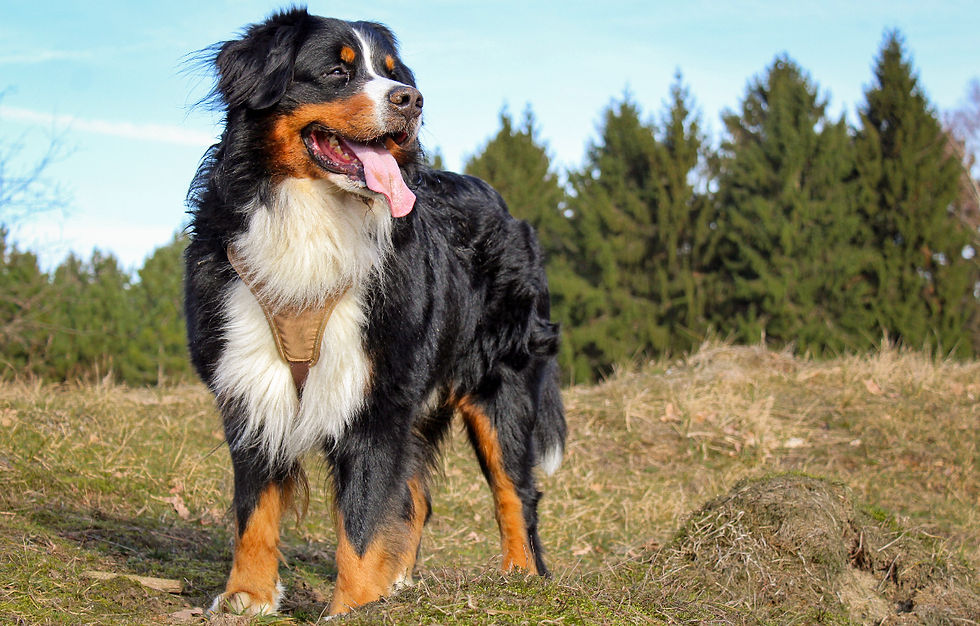
Bernese Mountain Dogs are a beloved large breed, known for their striking black, white, and rust coats, calm temperament, and strong build (typically 70 to 115 pounds). Originally bred in the Swiss Alps as working farm dogs, they’re loyal, gentle, and excellent with families, but they don’t live as long as dog lovers would like.
If you’re considering a Berner, or already have one, understanding what influences their lifespan is an important first step towards helping them stay healthy and thriving for as long as possible.
How long do Bernese Mountain Dogs live?
The average lifespan of a Bernese Mountain Dog is 7 to 10 years, according to the American Kennel Club. Female Bernese Mountain Dogs may live slightly longer than males on average, though the difference is modest. Some veterinary studies suggest an even narrower range of 7 to 8 years.
Compared to other large breeds, this is noticeably short. Golden Retrievers, for example, typically live 10 to 12 years, Saint Bernards live 8 to 10 years, and even Great Danes, which are one of the largest breeds, have a similar lifespan of 7 to 10 years.
Why do Bernese Mountain Dogs have such short lifespans?
The short lifespan of Bernese Mountain Dogs is the result of several interconnected factors, most of which trace back to the breed's genetics and size.
Large body size
Larger dogs age faster at the cellular level than smaller breeds. Their bodies work harder to maintain mass and function, which can accelerate the aging process and increase the risk of age-related diseases.
Cancer
Cancer rates are staggeringly high in Bernese Mountain Dogs. Nearly 50% of Berners will develop cancer at some point in their lives, with histiocytic sarcoma being the most common and aggressive type. This cancer is particularly devastating because it progresses quickly and is often diagnosed at an advanced stage.
Orthopedic concerns
Elbow and hip dysplasia are common orthopedic issues in Bernese Mountain Dogs. These conditions occur when the joints don't develop properly, leading to arthritis in dogs, pain, and mobility problems as the dog ages.
Bloat
Bloat, also known as gastric dilatation-volvulus (GDV), is a life-threatening emergency that affects deep-chested breeds like Bernese Mountain Dogs. Bloat occurs when the stomach fills with gas and twists, cutting off blood flow and turning fatal without immediate veterinary intervention.
Inbreeding
The Bernese Mountain Dog breed has a relatively high inbreeding coefficient, estimated at around 35%, which means many dogs in the breed share a limited genetic pool. This increases the likelihood of inherited health problems being passed down through generations.
Common health issues in Bernese Mountain Dogs
Beyond the factors that directly impact lifespan, Bernese Mountain Dogs are prone to several other health conditions:
Cancer: Histiocytic sarcoma is the most common cancer in the breed. Watch for unexplained lumps, lethargy, weight loss, or change in appetite.
Elbow and hip dysplasia: These orthopedic conditions cause joint instability and can lead to arthritis over time. Signs include limping, difficulty standing, reluctance to climb stairs, and stiffness after rest.
Bloat (GDV): This is a medical emergency that requires immediate treatment. Symptoms include a distended abdomen, restlessness, drooling, unproductive vomiting, and rapid breathing.
Degenerative myelopathy: This progressive spinal cord disease leads to hind limb weakness and eventual paralysis.
Progressive retinal atrophy (PRA): An inherited dog eye health issue, PRA leads to gradual vision loss. Dogs can adapt well to vision loss with support from their owners.
Von Willebrand Disease: Caused by a clotting protein deficiency, Von Willebrand Disease is a bleeding disorder.
How to help your Bernese Mountain Dog live longer
While you can't change your Berner's genetics, there's a lot you can do to support their health and potentially extend their lifespan.
Choose a reputable breeder
Look for breeders who follow the Orthopedic Foundation for Animals (OFA) CHIC (Canine Health Information Center) program guidelines. Responsible breeders conduct health screenings for conditions common in the breed, including hip and elbow dysplasia, eye disorders, and Von Willebrand Disease. They should also be transparent about the health histories of their breeding dogs and openly discuss any hereditary conditions within the bloodline.
Feed a high-quality diet
Choose a dog food formulated for large dog breeds that features real protein as the first ingredient and avoids fillers. Work with your veterinarian to determine the right portion sizes for your dog's age, weight, and activity level.
Maintain a healthy weight
Obesity puts extra strain on your Berner's joints and organs, increasing the risk of orthopedic problems, heart disease, and diabetes. Keeping your dog lean has been proven to extend their lifespan.
Exercise moderately
Bernese Mountain Dogs need regular physical activity, so aim for at least 30 minutes to an hour of exercise per day. However, avoid over-exercising puppies, as their bones and joints are still developing.
Schedule regular veterinary visits
Schedule regular veterinary visits and stay current on preventive care, including dental care, vaccinations, and flea, tick, and heartworm prevention. Adult Bernese Mountain Dogs should see the vet annually, while seniors, which are often considered 4 to 5 years old in this breed, benefit from twice-yearly exams.
Because Berners are prone to costly conditions like cancer and orthopedic disease, many owners choose pet insurance early on to help offset unexpected veterinary expenses, especially for major procedures like orthopedic surgery or cancer treatment.
A hopeful note: New longevity research
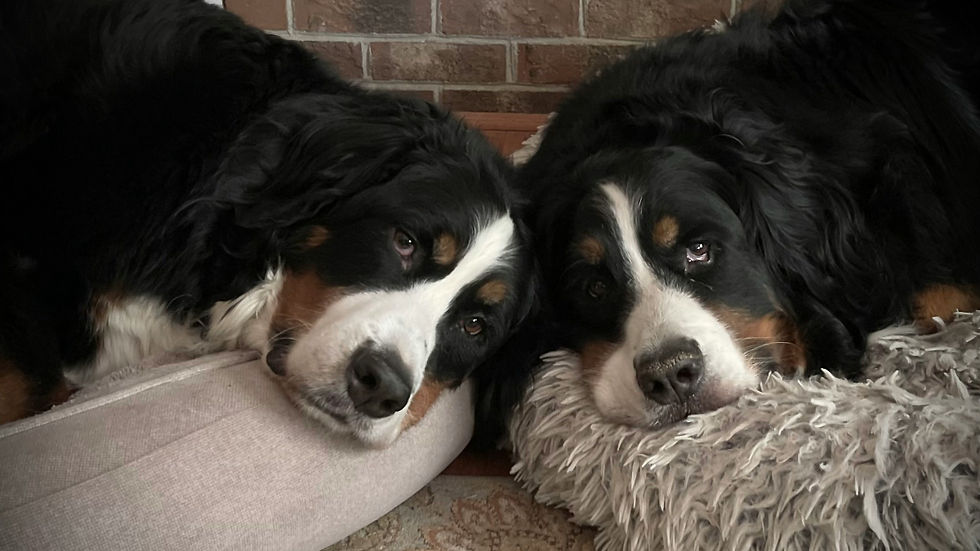
There's encouraging news on the horizon for Bernese Mountain Dog owners. Loyal, a biotech company, is developing LOY-001, an injectable longevity drug, and the pill form LOY-002, which are specifically designed for large- and giant-breed dogs like Bernese Mountain Dogs, Rottweilers, and Great Danes.
The drug targets IGF-1, a hormone linked to rapid growth and shortened lifespan in large breeds. While these drugs are still in clinical trials and are not guaranteed FDA approval, they represent a promising step forward in extending the healthy lifespan of large breeds.
What it's really like to own a Bernese Mountain Dog
Before committing to a Bernese Mountain Dog, it's helpful to understand a few practical realities of life with this breed. We answer some of the most common questions people have about this stunning breed.
Do Bernese Mountain Dogs shed?
Berners have thick double coats that shed year-round, with two major seasonal "blowouts" in the spring and fall. Daily brushing is recommended. If you love fluffy dogs, Berners deliver in spades — or tumbleweeds of fur.
Do Bernese Mountain Dogs drool?
You should expect some drooling, especially after eating, drinking, or during warm weather. Keeping a towel handy is practical.
Are Bernese Mountain Dogs hypoallergenic?
Since their thick double coats shed constantly, along with dander, anyone with dog allergies will likely react to a Berner.
How much does a Bernese Mountain Dog cost?
Purchasing a Bernese Mountain Dog from a reputable breeder typically costs between $1,500 and $3,500. The more comprehensive health testing a breeder performs, the more it is often reflected in the cost of their puppies.
Life stages of a Bernese Mountain Dog
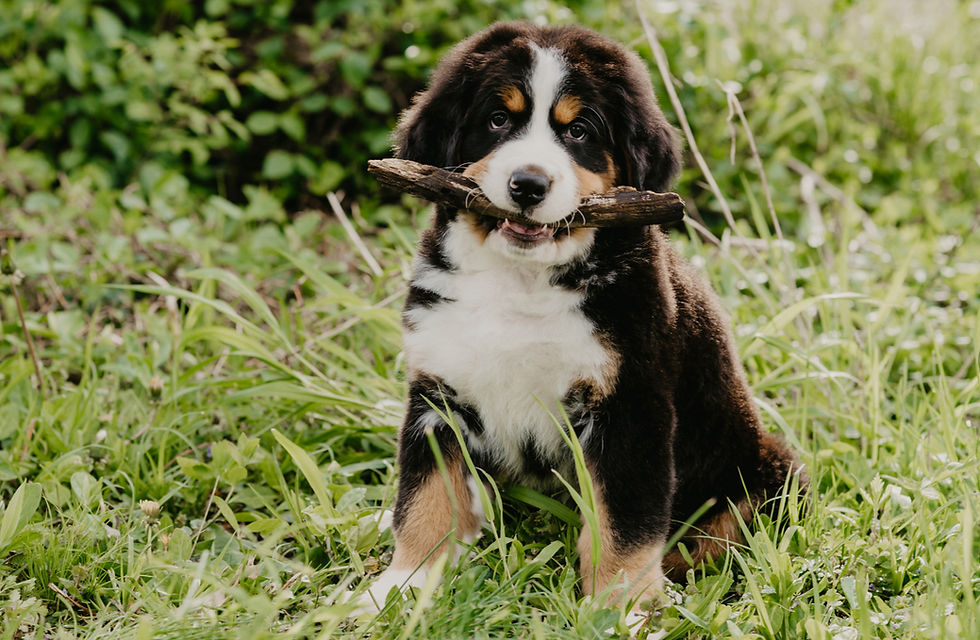
Bernese Mountain Dogs mature slowly, so the puppy stage, which lasts up to about 2 years old, should focus on socialization, training, and protecting developing joints. Avoid over-exercising puppies and feed a high-quality large-breed puppy food to support healthy growth.
From about 2 to 4 years old, Berners are typically in their prime. Regular exercise, continued training, and preventive veterinary care help keep them healthy and active during these years.
By 4 to 5 years old, Bernese Mountain Dogs are considered seniors, earlier than many other breeds. Twice-yearly veterinary visits are recommended to monitor for cancer, arthritis, and other age-related conditions. This dog age chart can help you better understand how dogs age over time.
As your Berner ages and reaches the end of life, prioritizing comfort and quality of life becomes most important. Your veterinarian can help guide pain management and supportive care decisions during this stage.
Helping your Berner live their best life
The reality is that Bernese Mountain Dogs don't live as long as we'd like. But the years you do have with them are filled with loyalty, affection, and moments that make every day worth it. If you go into Berner ownership with your eyes open and a focus on preventive care, you'll be giving your dog the best possible shot at a long, happy life.
FAQ
Why do Bernese Mountain Dogs have such a short lifespan?
Large body size, high cancer rates, and a high inbreeding coefficient all contribute to shorter lifespans.
Do Bernese Mountain Dogs drool a lot?
They're moderate droolers, so expect some drooling after meals, during exercise, and in warm weather.
Are Bernese Mountain Dogs hypoallergenic?
No. They have thick double coats that shed year-round and blow out heavily twice a year.
How much does a Bernese Mountain Dog cost?
A puppy from a reputable breeder averages $1,500 to $3,500, and then factor in ongoing costs for food, veterinary care, grooming, and potential health expenses related to cancer and orthopedic issues.