Key Points
A primordial pouch is a normal flap of loose skin and tissue along a cat's underside. All domestic cats have one, regardless of sex, breed, or weight.
The pouch begins developing around six months of age and becomes more visible as cats mature, often coinciding with (but not caused by) spaying or neutering.
You can tell a primordial pouch from excess fat by how it feels and moves: a pouch hangs loosely and swings when your cat walks, while a fat belly feels firmer and looks rounder.
Any cat owner who's spotted that swinging belly flap for the first time knows the moment well. You're watching your cat trot across the living room when you notice a saggy pouch of skin swaying side to side with every step. Cue the panic: Have I been handing out too many treats? Did I miss something at the last vet visit?
The reassuring truth is that that belly flap is almost certainly a primordial pouch, one of the quirkiest and most misunderstood features of cat anatomy. It's not a sign of weight gain, poor health, or anything you did wrong. In fact, every feline has one, including lean, athletic cats and those in the wild.
However, the "is my cat fat?" question is legitimate, because a primordial pouch and excess weight can coexist. We'll walk you through how to tell the difference, what the pouch is, why cats have it, and the rare scenarios where a saggy belly actually does warrant a vet visit.
What is a cat's primordial pouch?
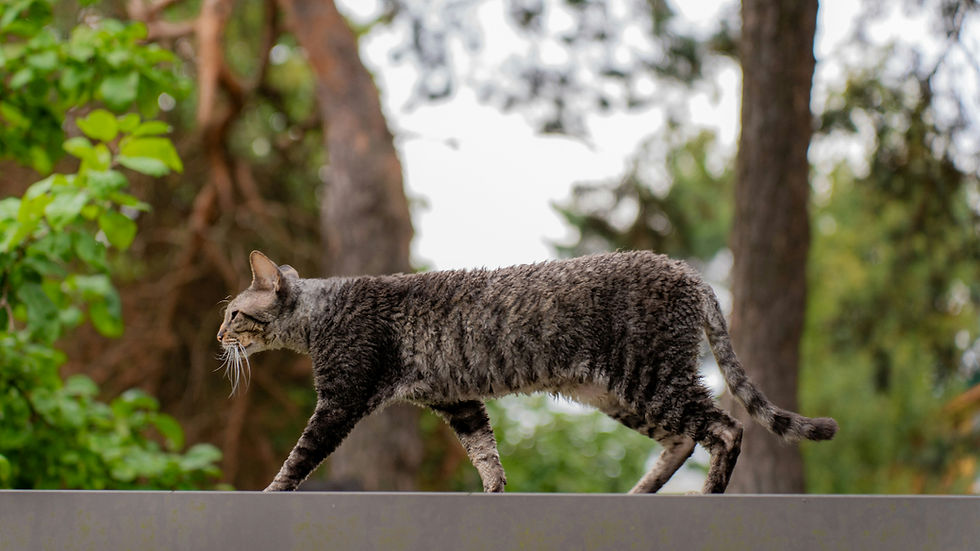
A primordial pouch is a loose flap of skin, fat, and connective tissue that runs along a cat's abdomen, typically most visible near the hind legs. If you've watched your cat walk or run and noticed a pouch swinging from side to side, that's it.
The pouch feels soft and floppy to the touch, not firm like muscle or fat. Some cats will let you touch or handle the area, though others won't tolerate it, so approach with care when trying to determine whether it’s a pouch or extra fat.
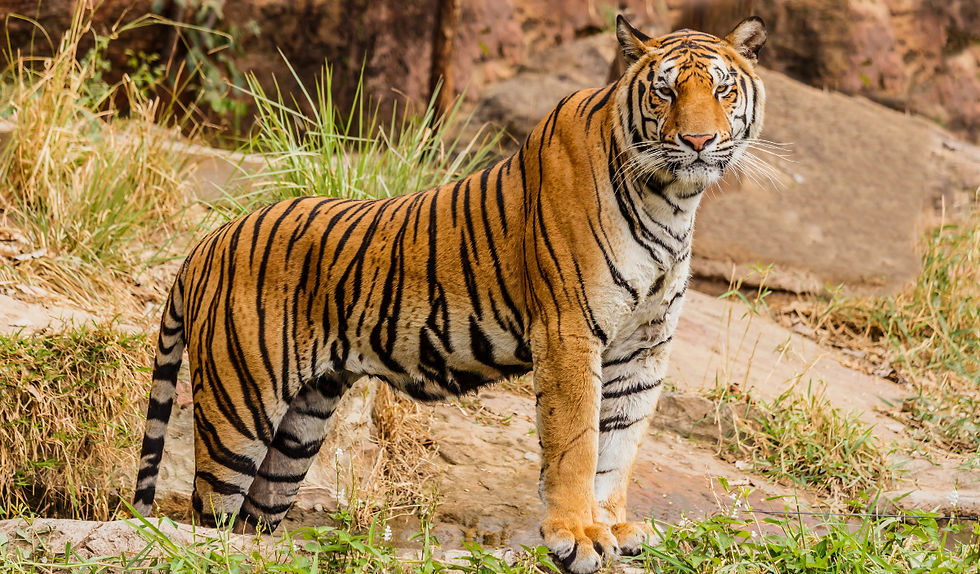
All cats have one, whether they’re male, female, spayed, neutered, mixed breed, or purebred. This is a standard feature of feline anatomy, present in house cats and wild big cats alike. Lions, tigers, and leopards also have primordial pouches.
Why do cats have a primordial pouch?
Scientists don't have a definitive answer as to why cats have a primordial pouch, but there are three leading theories.
Protection during fights
The extra skin and tissue along the abdomen may act as a protective layer, shielding vital organs from bites, scratches, and the powerful bunny kicks that cats deliver during a scuffle.
Flexibility and movement
Cats are famously agile. The primordial pouch allows the abdomen to stretch fully during running and jumping, giving cats the range of motion they need to ensure nothing pulls tight while sprinting or twisting.
Energy storage
The primordial pouch may allow the stomach to expand when a cat eats a large meal, and it provides a place to store extra fat reserves for leaner times. Even though domestic cats have consistent access to food, the evolutionary feature remains.
When do cats develop a primordial pouch?
The primordial pouch begins developing around six months of age, which happens to coincide with the typical age for spaying and neutering. This timing has created a persistent myth that the pouch is caused by the surgery, but the two are completely unrelated.
That said, spayed and neutered cats do have lower caloric needs. If their diet isn't adjusted after surgery, weight gain can make the pouch appear more prominent.
The pouch becomes more visible as cats reach full adulthood, typically between one and two years old. It's present throughout a cat's life and never disappears, though its appearance can change.
Primordial pouch vs. fat: How to tell the difference
“Is that swinging belly flap normal, or is my cat overweight?” is the question cat parents really want answered. A cat can have a prominent primordial pouch and be at a perfectly healthy weight, or they can have both a pouch and excess body fat. Here's how to tell the difference.
Watch the movement
The primordial pouch sways and swings when your cat walks or runs. It's loose and mobile, almost like a pendulum. Excess belly fat is firmer and rounder, and it doesn't move the same way. It tends to stay more stationary, bulging outward rather than swaying.
Feel the texture
The pouch feels soft and floppy, like loose skin with a bit of padding underneath. Excess fat feels denser and more solid.
Use a Body Condition Score chart
The most reliable way to assess whether your cat is at a healthy weight is a Body Condition Score (BCS) chart, a visual and hands-on tool veterinarians use to evaluate body composition.
Stand over your cat and look down at them from above. A healthy-weight cat should have a visible waist, with a slight inward curve between the ribs and hips. Then run your hands gently along their sides. You should be able to feel their ribs without pressing hard.
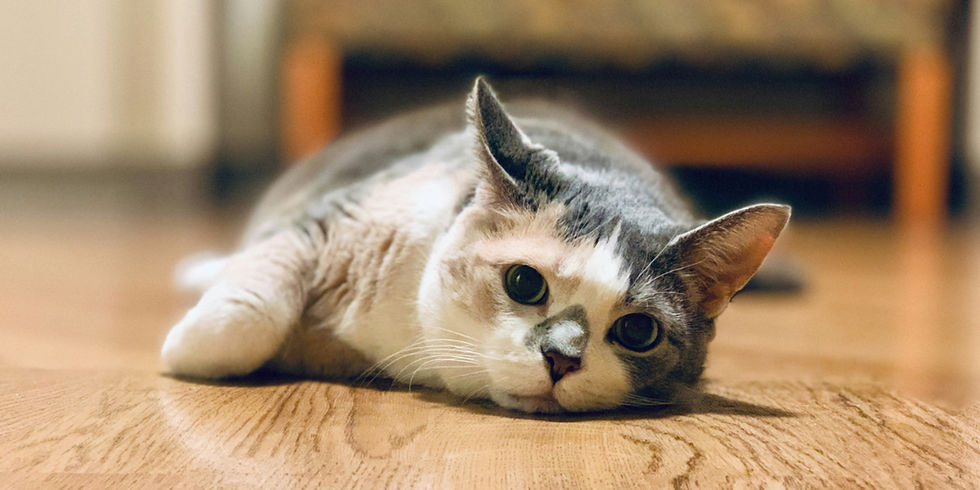
A pronounced primordial pouch can actually be a sign of a healthy-weight cat. Lean cats often have noticeable pouches because there's less overall body fat to obscure the loose skin. If you're still unsure whether your cat is at a healthy weight, a veterinarian can assess their body condition and help you develop a weight management plan if needed.
Why is my cat's primordial pouch so big?
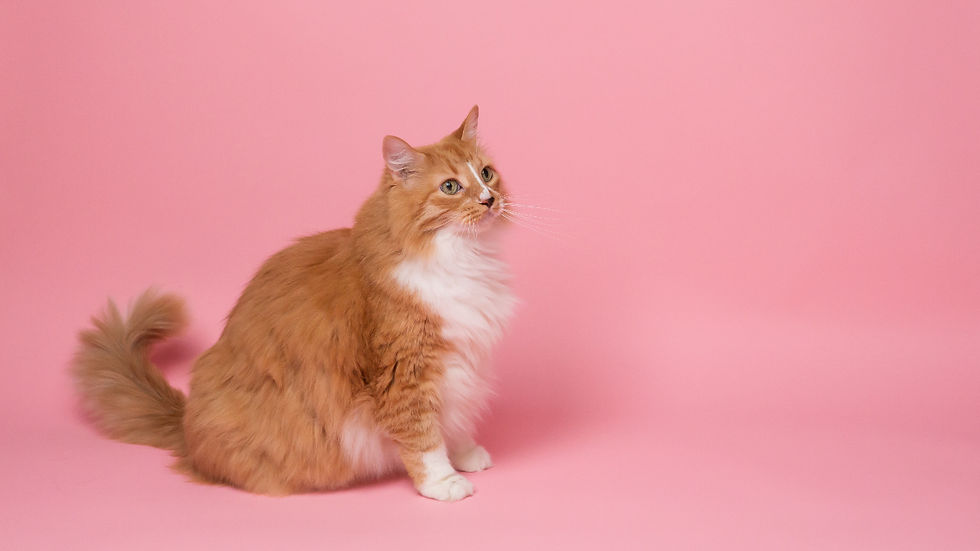
If your cat's pouch seems larger than you'd expect, there are four main reasons.
Age
As cats get older, their skin loses elasticity, which can make the pouch sag more over time. A senior cat may have a noticeably droopier pouch than they did in their younger years, even if their weight hasn't changed.
Weight
An overweight cat may have excess fat deposited in the primordial pouch area, making it appear larger and heavier. If your cat has gained weight recently, the pouch may look more prominent as a result.
Recent weight loss
If your cat has lost a significant amount of weight, the pouch may look more pronounced because there's now loose skin where fat used to be. If your cat has experienced unexplained weight loss, it's worth a veterinary visit to rule out underlying health issues.
Genetics and breed
Some cats are simply born with more prominent pouches. Breeds like the Egyptian Mau, Bengal, and Pixie-Bob are known for their well-developed pouches, and even within mixed-breed cats, genetic variation means some will have larger pouches than others.
When to worry about your cat's belly
In the vast majority of cases, that swinging belly flap is nothing to worry about. However, there are a few scenarios where a belly issue does warrant concern. If your cat's belly feels hard or distended, it could indicate bloating, fluid buildup, or another medical issue.
If your cat seems to be in pain when the belly area is touched, or if you notice sudden changes in belly size alongside lethargy, vomiting, or loss of appetite, something may be wrong and a veterinary visit is in order.
One more reason cats are so fascinating
Once you understand the primordial pouch, it goes from being a source of concern to one of those oddly endearing things that makes cats so unique. That soft, swinging flap is a completely normal part of feline anatomy, and whether it’s subtle or dramatically sways with every step, it’s simply part of who your cat is.
So if your cat’s belly is soft, loose, and otherwise unchanged, there’s usually no reason to worry. It’s just another example of the fascinating biology that makes cats such remarkable animals.
FAQ
Do all cats have a primordial pouch?
Yes, all domestic and wild cats have a primordial pouch regardless of sex, breed, or weight. It varies in how visible it is from cat to cat. Some breeds are genetically predisposed to a more prominent pouch, and older cats tend to have saggier pouches as skin loses elasticity with age.
Is my cat fat or does she have a primordial pouch?
Possibly both. The key difference is texture and movement: a primordial pouch is floppy and swings when your cat walks, while excess belly fat is firmer and more stationary. The best way to check is the Body Condition Score. Run your hands along your cat's ribs, if you can feel them easily without pressing hard, your cat is likely at a healthy weight.
Does spaying or neutering cause the primordial pouch?
No. The primordial pouch begins developing around six months of age, which happens to coincide with the typical age for spaying and neutering. This timing has created a persistent myth, but the two are unrelated.
Should I be worried about my cat's primordial pouch?
In almost all cases, no. A primordial pouch is a normal part of cat anatomy. The only time to be concerned is if the belly feels hard or distended, if your cat seems to be in pain when the area is touched, or if you notice sudden changes in belly size alongside other symptoms like lethargy or loss of appetite.