Updated: Sep 29
Key points
Dogs get hiccups for the same reason we do (an involuntary spasm of the diaphragm), and they're almost always harmless, especially in puppies.
Common triggers include eating or drinking too fast, excitement, stress, and temperature changes. Puppies get hiccups more often because their muscles and organs are still developing.
Most dog hiccups resolve on their own within minutes, but hiccups lasting more than an hour or paired with coughing, wheezing, or vomiting warrant a call to your vet.
If you've ever watched your pup's little body jolt with a rhythmic "hic," you know it can be equal parts adorable and worrying. Yes, dogs can get hiccups. Like human hiccups, dog hiccups happen when the diaphragm contracts involuntarily. They’re usually harmless and are especially common in puppies.
If you’re curious about what causes hiccups in dogs, why puppies seem to get them all the time, how to help your dog through a bout, and when hiccups might actually signal something more serious, consider this your go-to guide.
What causes hiccups in dogs?
Dog hiccups happen when the diaphragm contracts involuntarily. The diaphragm is the thin muscle between the chest and abdomen that controls breathing. That sudden spasm causes a quick intake of air, and then the vocal cords snap shut. The result? That familiar "hic" sound.
The mechanics are the same as human hiccups. According to the Cleveland Clinic, hiccups occur when something irritates the nerves connected to the diaphragm, triggering a reflexive spasm.
Here are the most common triggers for dog hiccups:
Eating or drinking too fast. Gulping food or water causes your dog to swallow excess air, which can irritate the diaphragm.
Excitement or overexertion. Rapid, shallow breathing during play or excitement can set off a spasm.
Stress or anxiety. Nervous energy changes breathing patterns, making hiccups more likely.
Temperature changes. Moving between hot and cold environments can irritate the diaphragm.
Spicy food or irritants. Capsaicin and other irritants can trigger the diaphragm reflex.
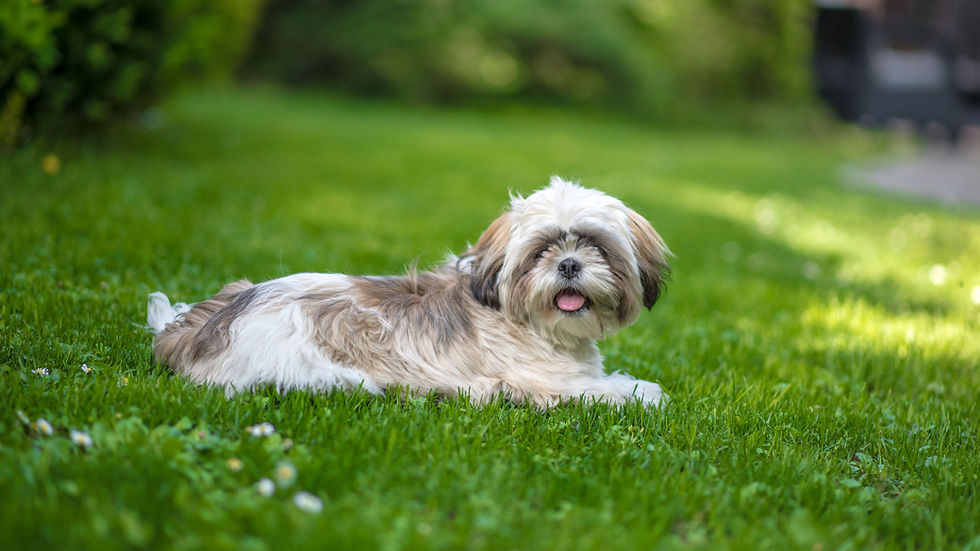
Brachycephalic breeds tend to be more prone to hiccups. These are dogs with shorter snouts like Pugs, English Bulldogs, Boxers, French Bulldogs, and Shih Tzus. Because of their compressed airways and flat-faced anatomy, they hiccup more often than longer-faced breeds.
Why do puppies get hiccups more than adult dogs?
Puppies get hiccups a lot, and that's totally normal. If your new pup seems to hiccup after every meal, it’s likely nothing to worry about.
There are a few reasons puppies are more hiccup-prone than adult dogs. Their diaphragm and respiratory muscles are still developing, so those muscles are more excitable and react to smaller triggers. Puppies also tend to eat and drink faster than adult dogs (enthusiasm is their thing), which means more swallowed air. Add in the fact that puppies get bursts of energy and excitement multiple times a day, and you've got a recipe for frequent hiccups.
You might even notice your puppy hiccupping during sleep. This is both completely normal and ridiculously adorable. As puppies cycle through sleep stages, their breathing patterns shift, and their still-maturing diaphragm can spasm in response. Think of it as part of the growing process.
Most puppies start hiccupping less as they mature. As their muscles strengthen and they learn to eat at a more reasonable pace, the hiccups tend to taper off naturally.
Why does my dog get hiccups at night?
If your dog gets hiccups at night or you've noticed dog hiccups during sleep, there's usually nothing to worry about.
During sleep, your dog's breathing naturally becomes irregular. They cycle through different sleep stages, including REM sleep, which is when dogs dream. These shifts can cause the diaphragm to contract involuntarily.
Other reasons your dog might get hiccups at night include eating too close to bedtime, drinking a lot of water before lying down, or settling in after an excited evening of play.
When should you be concerned about your dog hiccupping at night? If nighttime hiccups happen frequently and are accompanied by labored breathing, coughing, or restlessness, it's worth mentioning to your vet at your next visit. Occasional nighttime hiccups on their own are just part of being a dog.
How to get rid of dog hiccups
Most dog hiccups usually resolve quickly on their own within a few minutes, but if you want to help your pup along, or if they seem uncomfortable, here are some gentle remedies.
Offer small sips of water
A few calm sips of water can help reset your dog's breathing pattern. The swallowing motion may relax the diaphragm and interrupt the spasm cycle. If your dog tends to gulp, offer a small amount of water at a time rather than filling their bowl to the brim. You can try a small bowl, a pet water fountain, or briefly offering water from your hand to encourage slower drinking.
Try a spoonful of honey
A small spoonful of honey can help soothe your dog's throat and calm the diaphragm irritation. Dogs can have honey, as long as it’s real honey and not a sugar free product that could contain xylitol. The sticky texture encourages slow swallowing, which helps regulate breathing.
Calm your dog with a belly rub
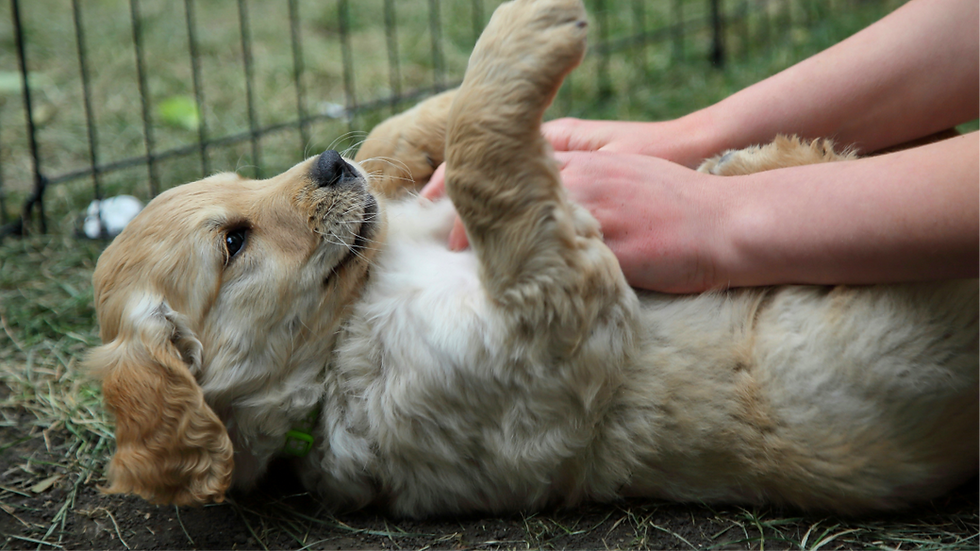
Gentle physical contact can help your dog relax and slow their breathing. Try rubbing their belly or chest in slow, rhythmic motions. This works especially well if stress or excitement triggered the hiccups. Sometimes all your pup needs is a few calm minutes with you.
Take your dog for a walk
A slow, easy walk can help change your dog's breathing rhythm, which may stop the hiccups. The physical activity encourages deeper, more regular breaths. This works best for mild hiccup bouts, not for a dog who's already winded. Just make sure the walk is appropriate for your dog’s age and activity level.
How to prevent dog hiccups
While you can't eliminate hiccups entirely (they're a normal body reflex), you can reduce how often your dog gets them.
Use a slow-feeder bowl. Slowing down mealtime means less swallowed air and fewer post-meal hiccups.
Feed smaller, more frequent meals. Instead of one or two large meals, split food into three or four smaller portions throughout the day.
Keep the feeding area calm. Avoid feeding your dog right after play or in a chaotic environment. A calm dog eats more slowly.
Avoid extreme temperature changes. Try not to let your dog go from a hot walk straight into a cold, air-conditioned room. Gradual transitions are easier on the diaphragm.
Stick to regular exercise. Dogs who get consistent, appropriate exercise tend to have better breathing regulation overall.
These are simple adjustments that can make a noticeable difference, especially for puppies and brachycephalic breeds who are naturally more hiccup-prone.
When to worry about dog hiccups
Dog hiccups are rarely a cause for concern. But in some cases, they can be a sign of an underlying issue that needs attention.
Contact your vet if your dog's hiccups come with any of these warning signs:
Hiccups lasting more than an hour
Wheezing, coughing, or sneezing between hiccups
Excessive drooling or repeated swallowing
Loss of appetite or refusal to eat
Vomiting or diarrhea, especially if combined with hiccups and licking, which could point to gastrointestinal distress
Lethargy or unusual tiredness
Signs of pain like whimpering, restlessness, or a hunched posture
Trust your instincts. You know your dog better than anyone. If something feels off, a quick call to your vet can give you peace of mind.
Dog hiccups vs. reverse sneezing: how to tell the difference
Dog hiccups and reverse sneezing can look and sound similar, which leads to a lot of confusion among pet parents.
Hiccups produce a short, rhythmic "hic" sound. Your dog's body may jolt slightly with each spasm, but they're usually calm and can continue what they were doing. Hiccups come from the diaphragm.
Reverse sneezing (sometimes called "dog reverse hiccups") is louder and more dramatic. It sounds like a rapid, forceful snorting or honking. During a reverse sneeze, your dog may extend their neck, stand stiffly, and make repeated sniffing sounds. Reverse sneezing comes from the soft palate and throat, not the diaphragm.
How to tell the difference at a glance:
Sound: Hiccups are quiet and rhythmic. Reverse sneezing is loud and snorty.
Body movement: Hiccups cause small, subtle jolts. Reverse sneezing involves neck extension and stiff posture.
Duration: Hiccup bouts last a few minutes. Reverse sneezing episodes usually last about 30 seconds or less.
Cause: Hiccups are triggered by the diaphragm. Reverse sneezing is triggered by throat or nasal irritation.
Both hiccups and reverse sneezing are usually harmless on their own. But if reverse sneezing episodes become frequent or severe, check in with your vet to rule out allergies, nasal irritation, or other upper-airway issues.
Frequently asked questions about dog hiccups
Are dog hiccups normal?
Yes. Dog hiccups are a normal, involuntary reflex, just like in humans. They happen when the diaphragm muscle spasms. Puppies get them more often, but dogs of any age can hiccup.
How long do dog hiccups usually last?
Most dog hiccups usually resolve quickly on their own within a few minutes. If your dog's hiccups last more than an hour, contact your vet.
Why does my dog get hiccups at night?
Dogs get hiccups at night because their breathing patterns change during sleep. Irregular breathing, especially during REM sleep, can trigger diaphragm spasms. Eating or drinking right before bed can also contribute.
Can dog hiccups be a sign of bloat?
Hiccups alone aren't a sign of bloat in dogs, but hiccups combined with a swollen abdomen, unproductive retching, restlessness, and visible pain could indicate this life-threatening condition. If you suspect your dog has bloat, get to an emergency vet immediately.
Do dog hiccups go away on their own?
Yes, the vast majority of dog hiccups resolve on their own without any intervention. You can try gentle remedies like offering water or a belly rub, but usually the best approach is to let the hiccups run their course.
What do dog hiccups look like?
Dog hiccups look like a small, rhythmic jolt or twitch in your dog's chest or abdomen. You might hear a soft "hic" sound. Your dog may look surprised but will usually continue resting or playing normally.
Why does my puppy get hiccups so often?
Puppies get hiccups frequently because their diaphragm and respiratory muscles are still developing. They also tend to eat fast, breathe quickly, and get excited easily, all of which can trigger hiccups. Frequency usually decreases as puppies mature.
Should I take my dog to the vet for hiccups?
For occasional, short-lived hiccups, no. But if hiccups last more than an hour, happen daily, or come with other symptoms like coughing, vomiting, difficulty breathing, or lethargy, schedule a vet visit to rule out underlying issues.