Key points
Most dogs fully recover from a neuter in 10 to 14 days, and most heal without complications when pet parents follow their vet's instructions.
Dogs are groggy for the first day or two, but full energy often returns by day three to five, which is right when the incision is most at risk.
Keep the cone on, keep activity low, and check the incision twice a day until your vet clears your dog.
Any dog parent who's picked up their pup after surgery knows the scene: a wobbly walk to the car, a glassy stare, and a plastic cone that finds every doorframe – and your shins – in the house. By bedtime, most dogs are snoring it off. By day three, many are ready to jump back into rough-and-tumble play, which is when the real work begins.
Choosing to spay or neuter your dog comes with substantial health and behavior benefits, and the procedure itself is usually quick. What happens over the next two weeks at home is what shapes a smooth dog neuter recovery. Below, we'll walk through the recovery timeline day by day, incision and cone care, how to comfort your dog after neutering, and the warning signs that mean it's time to call the vet.
How long does dog neuter recovery take?
Most dogs recover from a routine neuter in 10 to 14 days. PetMD recommends a full two weeks of restricted activity before most dogs are cleared for normal play. Healing continues below the skin, though, as internal sutures can take around four months to dissolve, so ease back into rough play gradually.
Age and size play a role, too. Puppies usually bounce back fastest, while seniors may be groggier for longer. Large and giant breeds put more strain on the incision if they jump, and flat-faced breeds like Bulldogs and Pugs need extra monitoring for breathing trouble as they wake from anesthesia.
If a testicle never dropped into the scrotum (called cryptorchidism), recovery can take longer. VCA Animal Hospitals explains that a retained testicle in the abdomen requires an abdominal incision, so recovery looks more like a spay.
Dog neuter recovery timeline, day by day
Here’s what you can expect when your dog returns home post-neuter:
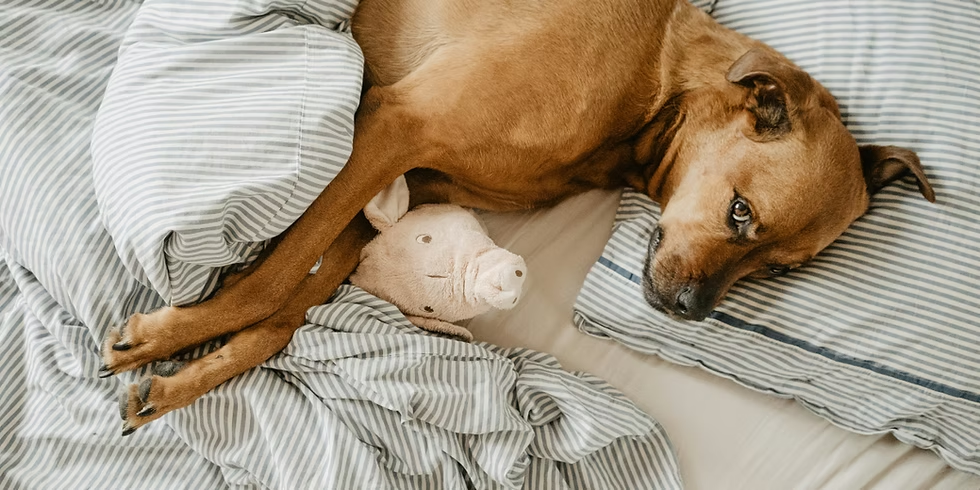
Surgery day: Expect a sleepy, wobbly, and possibly whiny pup. Set up a quiet room, offer a half-size meal once alert, and keep the cone on.
Days one and two: Your dog may still be drowsy, and appetite can take up to 48 hours to return. Give pain meds on schedule and check the incision morning and night.
Days three to five: Energy returns, and many dogs act totally fine. Mild swelling or bruising may peak and then fade. Keep potty breaks leash-only and add puzzle toys to burn mental energy.
Days six to nine: The incision should look flatter and paler. Itchiness may make your dog fixate on the cone, so keep it on and skip baths, jumping, and rough play.
Days 10 to 14: The skin has sealed, and any external stitches come out. At the recheck, your vet will decide when the cone and activity limits can be removed.
Caring for the incision and using the cone
A neuter incision is usually closed with dissolvable stitches under the skin and sealed with surgical glue. Keep it clean, dry, and away from your dog's tongue: skip baths and swimming for the full two weeks, don't apply ointments unless your vet prescribes them, and let the glue flake off on its own.
What should a normal neuter incision look like?
Many pet parents search for pictures of normal swelling after neuter surgery because it can be tough to determine without a comparison. A healthy incision has edges that touch, with mild pinkness, slight bruising, or a few drops of blood-tinged fluid in the first day or two.
Call your vet if the edges gap, redness spreads, swelling keeps growing or feels firm, or you see colored discharge or notice a foul smell. A firm, enlarging scrotum can signal a hematoma (a pocket of blood) or an abscess.
When to take the cone off after a neuter
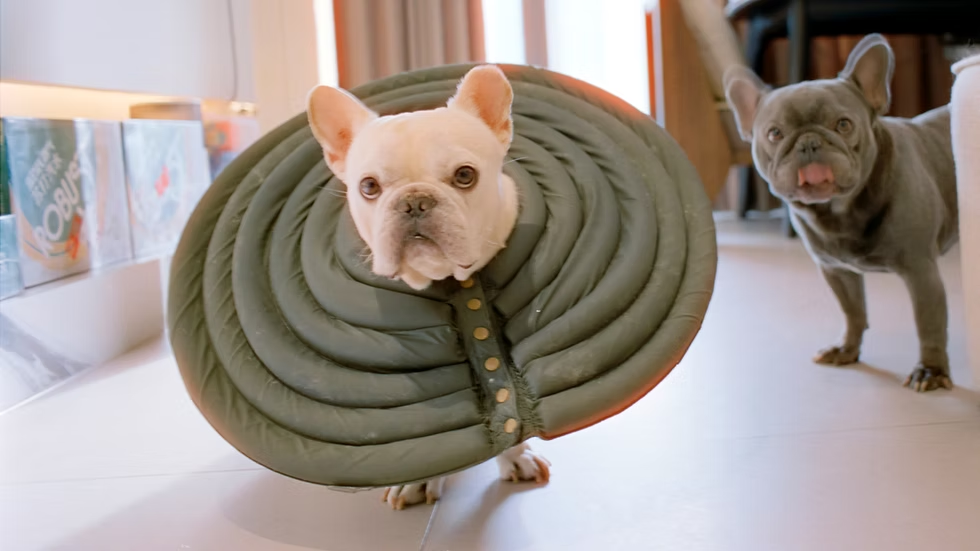
You can usually remove it around day 10 to 14, once your vet confirms the incision has healed. Removing it early – even for a night – invites licking, which is a common reason incisions reopen or get infected. To keep your pup’s tongue contained, make sure the cone extends about two inches past their nose. If your dog can't cope with a hard cone, ask your vet about soft collars or a recovery suit.
Keeping your dog calm and comfortable
The hardest stretch usually starts around day three, when your dog feels great and can't understand why fetch is canceled. A crate, exercise pen, or small gated room keeps them safe when you can't supervise.
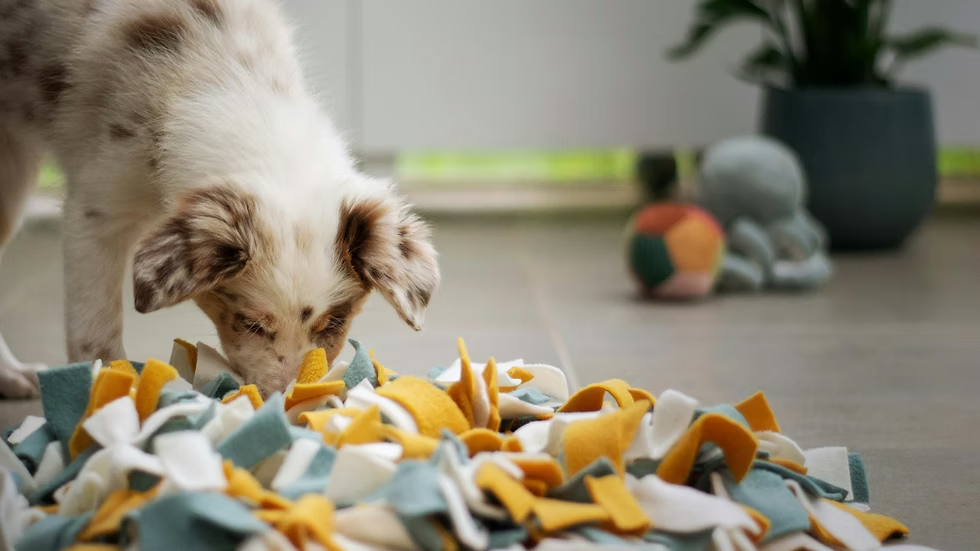
Swap physical exercise for brain work, like:
Snuffle mats and puzzle feeders
Frozen lick mats or stuffed chews
Short "find it" treat games
Slow sniff walks on leash
In multi-dog homes, separate your recovering pup during play, since one wrestle can undo a week of healing.
How to comfort your dog after neutering
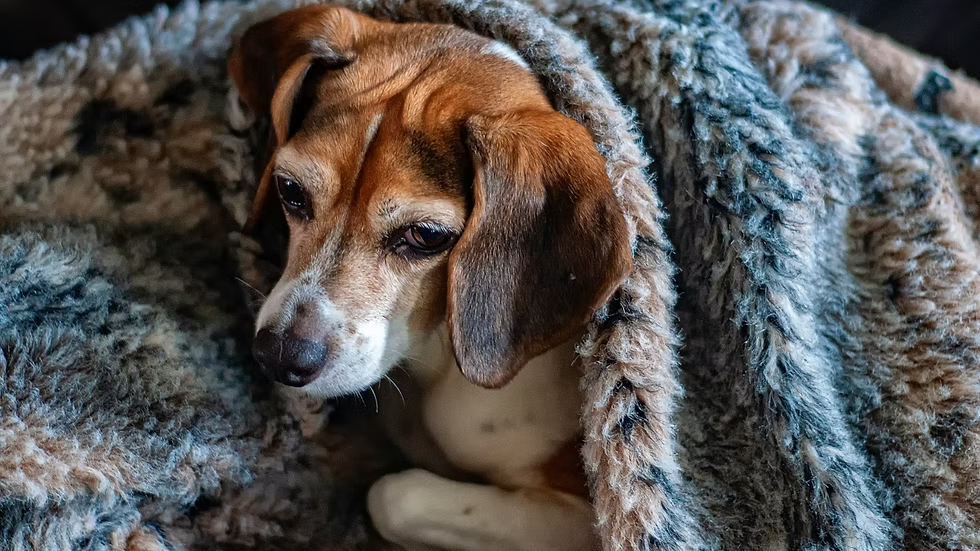
Sit with your dog in their recovery space, keep noise low, and stick to their usual routine. If your dog is very anxious or keeps fighting the cone, your vet may suggest a calming medication like trazodone, though a 2023 evidence review found mixed results, so pair it with enrichment.
When my Great Dane was neutered, recovery was a chore. At 2 years old, he was always ready to play and too large to fit inside a cone or recovery suit. To keep him calm and his tongue off his incision required a lot of MacGyvering and pharmaceutical aid. He sported boxers, an inflatable donut cone, a duct-taped plastic cone, peanut-butter drool from his stuffed Kong, and a hangover from a sedative cocktail round the clock until he healed. When pet parents come to me with their woes about keeping a pup calm after surgery, I completely understand.
Pain management, anesthesia recovery, and medication safety
Neutering is done under general anesthesia, with medication to keep your dog comfortable. It's normal for dogs to be sleepy, unsteady, or vocal the first evening. Anesthesia can also cause nausea, so offer about half a normal meal that night and return to regular portions the next day. Some dogs may also experience diarrhea or constipation, depending on the medications used and their individual reaction.
Give every dose of the pain and anti-inflammatory meds your vet prescribes, even if your dog seems fine. Never give human pain relievers like ibuprofen, naproxen, or acetaminophen. The Pet Poison Helpline warns that ibuprofen can cause stomach ulcers and kidney failure in dogs. If you notice vomiting, black stool, or blood in your dog's stool, call your vet before the next dose.
Warning signs after dog neutering: When to call your vet
Complications are uncommon. In a study of 400 young shelter dogs, about 2.3% had skin irritation around the incision and just 0.3% had swelling. Still, it helps to know what to watch for.
Call your vet the same day if you notice growing, swelling, or a firm scrotum, colored discharge or a foul smell, pale gums, no appetite after two days, or repeated vomiting or diarrhea. Head to an emergency vet for bleeding that won't stop, a fully open incision, trouble breathing, or a dog who can't wake up or stand. When in doubt, call and send a photo of the incision to help your vet decide next steps
.
How much does neutering cost?
A neuter can cost as little as $50 at a low-cost clinic or up to about $500 at a full-service practice. Complications add to that: a recheck, antibiotics, or a second procedure all cost extra, and the average vet visit for dogs runs about $229, according to Pumpkin claims data.
With a little patience, most dogs bounce back in 10 to 14 days.
FAQ
How long does it take for a male dog to recover from being neutered?
Most dogs recover externally within 10–14 days, though internal healing continues a few weeks. Many act normal within 3–5 days, but activity must still be restricted for the full two weeks.
Can I leave my dog alone four days after neutering?
Short stretches are usually fine if your dog is calm, confined to a small space, and wearing a well-fitted cone.
Can my dog climb stairs after being neutered?
Block stairs and furniture for the first two weeks, since jumping and climbing strain the incision.
Will my dog gain weight after being neutered?
Not because of the surgery. The ASPCA points to overfeeding and too little exercise as the real culprits.
