Key Points
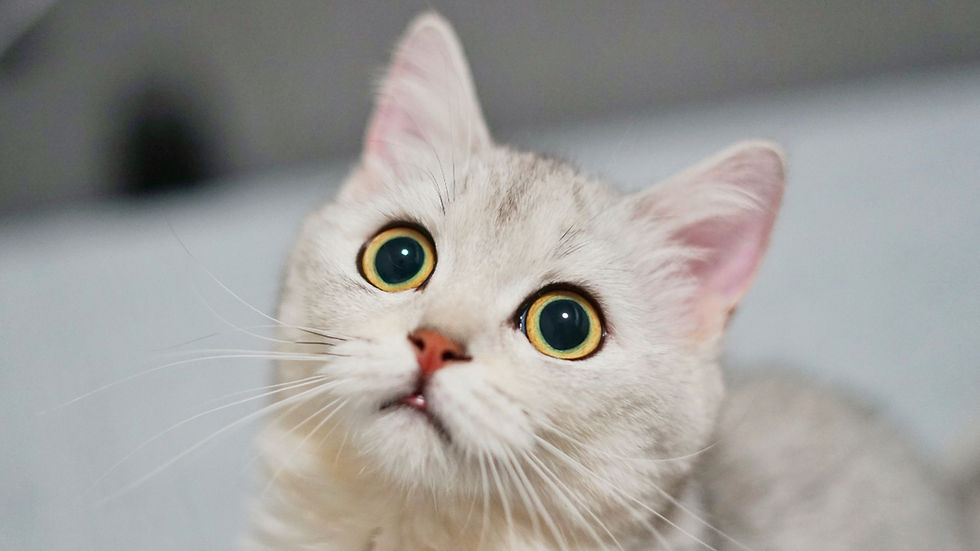
Cat dilated pupils are usually just a normal reaction to low light, excitement, or a startling moment, not something to panic about.
Persistent dilation, uneven pupil sizes, or wide pupils paired with other symptoms like stumbling or appetite loss can point to a medical issue, from high blood pressure to toxin exposure.
Knowing what's normal for a cat's eyes makes it much easier to spot the difference, and to get help quickly if something's actually wrong.
One moment, a cat is curled up in a sunbeam with pupils narrowed to thin slits. The next, a treat bag rustles, and those same eyes go wide and round, almost swallowing the iris. It's one of the more dramatic things a cat's body does, and it can happen fast enough to catch any pet parent off guard.
Most of the time, dilated pupils are nothing more than a normal part of how cats process the world around them. Feline eyes are built to adjust quickly to changes in light, movement, and mood, so some dilation is expected throughout the day. But pupils that stay wide for no clear reason, that are two different sizes, or that show up alongside other unusual behavior can be a sign that something medical is going on.
This guide covers how a cat's pupils actually work, the everyday reasons they widen, the medical causes worth watching for, and when it's time to call the vet.
How cat pupils work
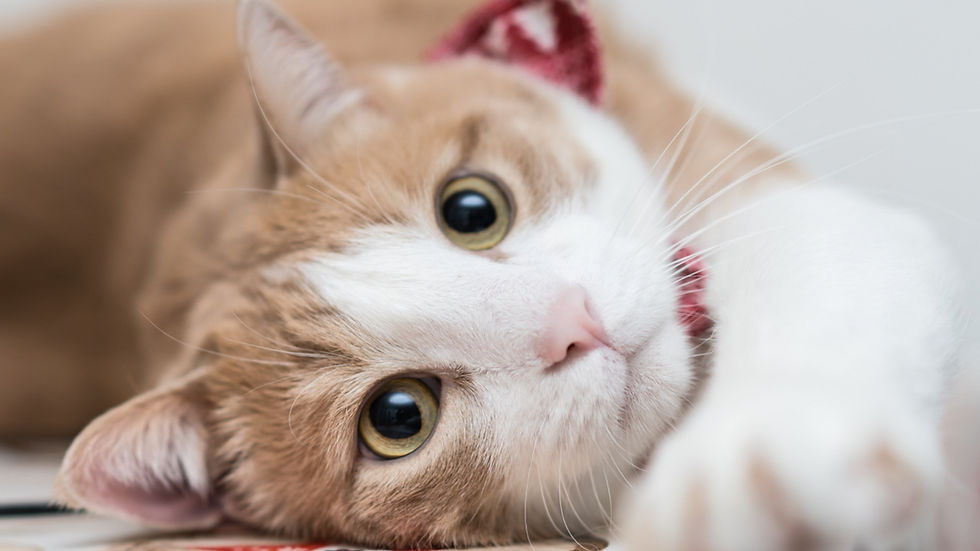
A cat's pupil is the black opening at the center of the eye, surrounded by the colored iris. Tiny muscles in the iris expand and contract to control how much light reaches the retina, and cats can shift between a narrow vertical slit and a wide, nearly round opening in a matter of seconds. For more on how this ocular system helps cats navigate dim spaces, learn how cats see in the dark.
Because the same muscles are tied into a cat's nervous system, emotional and physical states, such as excitement, fear, pain, and arousal, can widen the pupils just as quickly as flipping off a lamp.
Normal reasons your cat's pupils are dilated
In most cases, dilated pupils are simply a cat being a cat. Common, harmless triggers include:
Low light or darkness: Pupils widen to let in more available light.
Play and hunting mode: Chasing a toy or stalking a bug can trigger the same dilation response used for hunting prey.
Excitement or curiosity: A new toy, a favorite person walking in, or an interesting smell can all cause a quick widening.
Fear or a sudden startle: A loud noise or unexpected touch can dilate pupils as part of a cat's fight-or-flight response.
General arousal: Overstimulation during petting, or a burst of the zoomies, often comes with bigger pupils too.
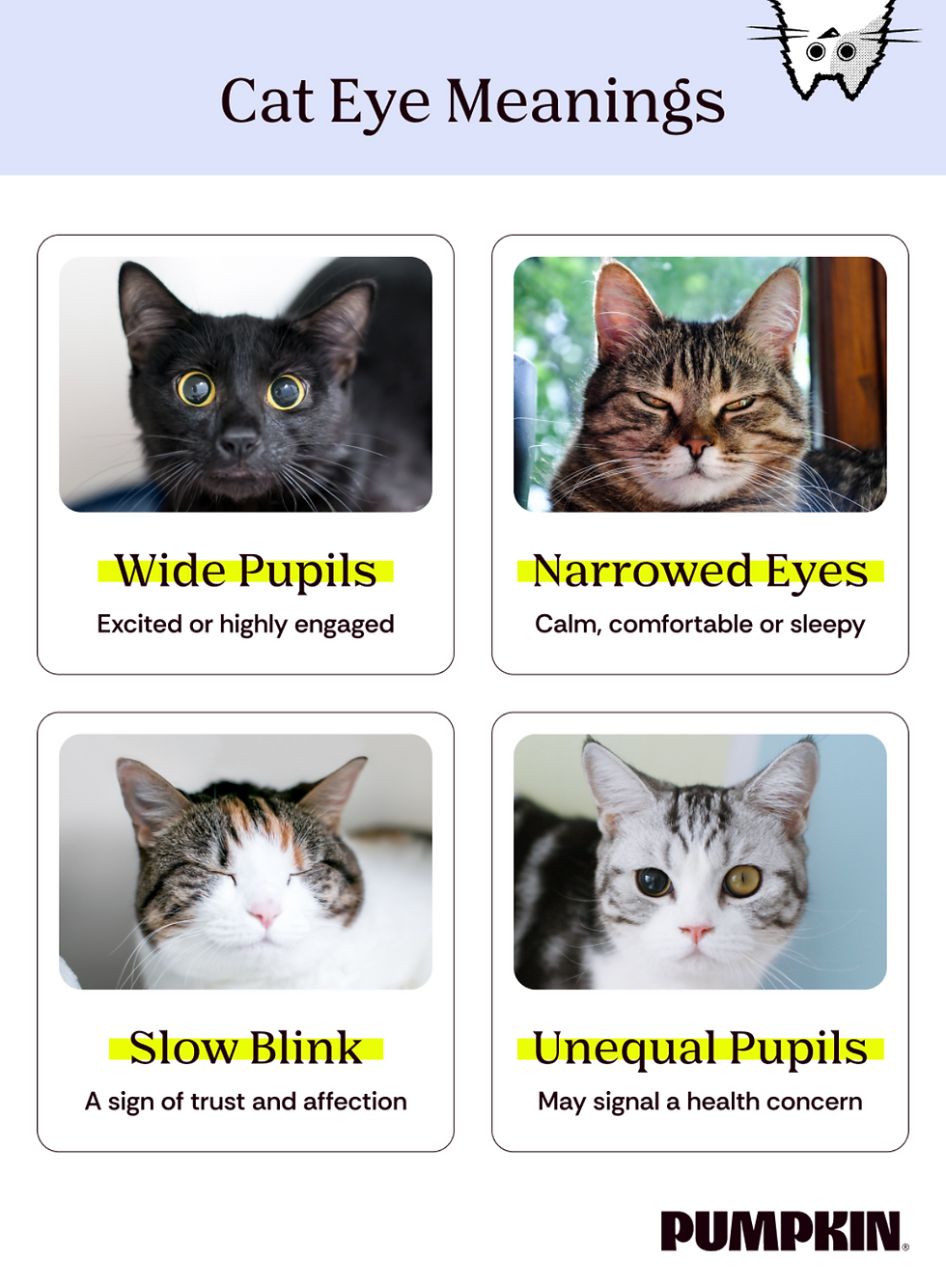
Context is key to deciphering the cause of enlarged pupils. A cat with dilated pupils, flattened ears, and a puffed-up tail is likely stressed, while a cat with dilated pupils, a relaxed body, and a swishing tail mid-play is probably just having fun.
Learning to seeread the fuller picture, including reading your cat's body language, makes it much easier to tell excitement from distress. Pupil size can also come into play when you’re wondering why your cat stares at you, since an intense gaze is often paired with wide, focused eyes.
Medical causes of dilated pupils in cats
Occasionally, dilated pupils are less about mood and more about health. A handful of medical conditions can cause pupils to stay wide, especially when the dilation doesn't match the lighting, lasts longer than expected, or is uneven.
Stress alone can dilate a cat's pupils, and most cats show some of this "white coat syndrome" the moment they're in a carrier or exam room, which makes it hard for a vet to tell in the moment whether wide pupils are situational or a sign of something else.
As a registered veterinary technician, I always recommend pet parents snap a photo or short video of their cat's eyes at home, in natural lighting and in a calm, familiar setting, before the visit. Try to capture both eyes in the same shot so their vet can compare pupil size and symmetry side by side.
High blood pressure (hypertension)
Feline hypertension, often linked to kidney disease or hyperthyroidism, can affect the blood vessels in the eyes and lead to noticeably dilated pupils. In some cases, hypertension can lead to retinal detachment, causing acute blindness.
Anisocoria (unequal pupil sizes)
When one pupil is larger than the other, it's known as anisocoria, and it's generally treated as an urgent concern. Anisocoria in cats can stem from eye trauma, glaucoma, or issues within the nervous system, and diagnosis usually involves a full eye and neurological exam.
Toxin exposure
A number of household substances, including certain plants, medications, and recreational drugs, can dilate a cat's pupils as part of a toxic reaction. The ASPCA's Poison Control resources outline many of the plants, foods, and chemicals that pose a risk to pets, and any suspected exposure should prompt an urgent call to the vet or a pet poison hotline.
Eye diseases
Conditions such as glaucoma, uveitis, or infections can all change how a cat's pupils respond. Chronic cat eye infections in particular are worth ruling out if dilation comes with redness, discharge, or squinting.
Pain
Cats are notoriously good at hiding discomfort, and dilated pupils are sometimes one of the only visible clues that something hurts, whether it's an injury, dental pain, or an internal issue.
Neurological conditions
Because pupil control runs through the nervous system, issues affecting the brain or nerves, including head trauma, can show up first as abnormal pupil size or a sluggish response to light.
Medication side effects
Certain prescription medications, along with some flea and tick products used incorrectly, can cause temporary pupil dilation as a side effect.
Dilated pupils in senior cats
Age-related changes are easy to mistake for something more serious. As cats get older, the muscles in the iris can weaken, a condition called iris atrophy. This can leave a senior cat's pupils looking somewhat dilated even in bright light, without any of the other symptoms tied to hypertension or eye disease.
A study in the Journal of Feline Medicine and Surgery found a strong correlation between age and iris atrophy in cats, which is why persistent pupil changes are worth mentioning at a routine vet visit. A vet can then confirm the dilation is simply age-related rather than a sign of high blood pressure or another condition more common in senior cats.
When to call the vet and what to expect at an eye exam
While pupil dilation in response to environmental changes is normal, call your vet if dilated pupils show up along with any of the following:
Pupils of two different sizes
Dilation that doesn't shrink back down in bright light
Bumping into furniture or trouble judging distances
Lethargy, wobbliness, or disorientation
Vomiting, drooling, or other signs of possible poisoning
Redness, discharge, or squinting in one or both eyes
Sudden onset with no obvious trigger
At the visit, a vet will typically check how each pupil responds to light individually, examine the structures of the eye, and may recommend blood pressure screening or bloodwork to rule out kidney or thyroid issues, especially in cats over the age of seven.
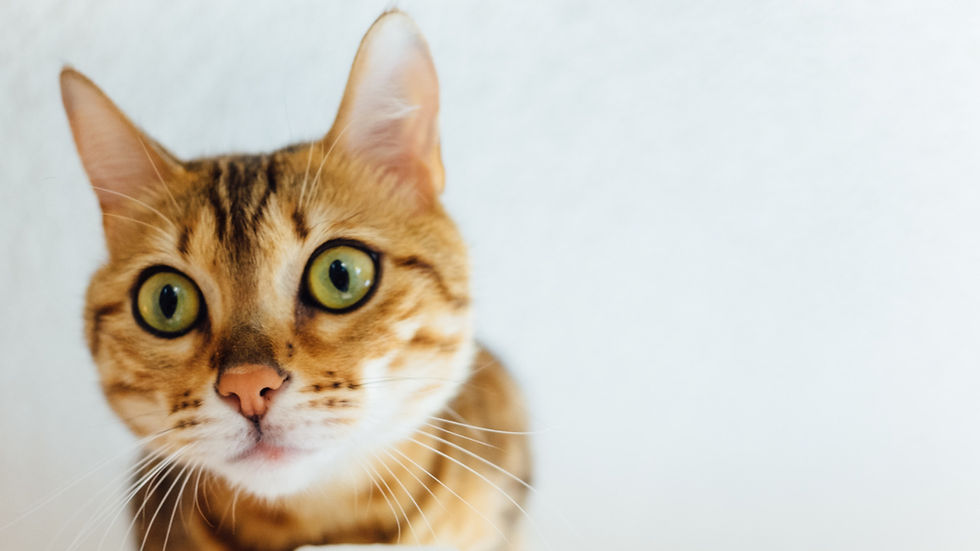
Keeping an eye on your cat's eyes
Most dilated pupils are simply proof that a cat is alert, playful, or momentarily startled, and that's nothing to worry about. The goal is to notice when something looks off, such as uneven pupils, lingering dilation, or eyes that seem dilated alongside other new symptoms.
FAQ
Are dilated pupils an emergency for cats?
Not always. Dilation is normal in low light, during play, or when a cat is excited or scared. Contact a vet right away if pupils stay dilated in bright light, are different sizes, or come with bumping into things or lethargy.
Do dilated pupils mean my cat is happy?
Sometimes. Wide pupils often show up with excitement or play, but also with fear or anxiety, so look at the fuller picture, including body language.
Why are my cat's pupils always dilated?
Consistently large pupils, even in bright light, could mean iris atrophy in older cats, high blood pressure, eye disease, or a neurological issue. See a vet, especially if it's a new change.
Is my cat stressed if their pupils are dilated?
Possibly. Stress triggers dilation, and if it's paired with hiding, hissing, or appetite loss after a move, a new pet, or a routine change, it's worth mentioning to a vet.