Updated: Aug 26
Key points
Most healthy adult dogs need at least one annual dog checkup, but the right cadence changes with age, lifestyle, and health.
Puppies need visits every 3 to 4 weeks from 6 to 16 weeks, and senior dogs usually benefit from twice-a-year exams.
Regular preventive care catches problems early, keeps vaccines current, and often costs less than treating a bigger issue later.
If your dog’s zoomies look more like a parkour course, they’re trying to gaslight you into believing you haven’t fed them yet, and all your socks have holes from games of tug, it’s easy to assume they’re perfectly healthy.
They probably are. You want to keep them that way, and that’s why routine vet visits matter. A healthy adult dog should see the vet at least once a year for a wellness exam. That yearly visit is your baseline.
Staying ahead of potential health issues gives your dog the best chance to stay happy and healthy for years to come.
How often do dogs need to go to the vet?
For a healthy adult dog, plan on one vet visit a year.
Puppies, seniors, and dogs with ongoing health issues need to go more often, though. A wiggly 10-week-old puppy and a mellow 10-year-old have very different needs. Lifestyle matters too, since a dog who hikes, boards, or plays at the park faces different risks than a homebody.
Here's the general cadence by life stage, based on the AAHA dog life-stage guide:
Life stage | How often to visit |
Puppy (6 to 16 weeks) | Every 3 to 4 weeks |
Adult (1 to 7 years) | Once a year |
Senior (8+ years) | Twice a year |
Think of this as your starting point. Your vet may suggest a different rhythm based on your dog's breed, size, and health history.

Why annual dog checkups matter for adult dogs
Do healthy adult dogs really need to go to the vet every year? Yes, they do. Dogs age faster than we do and are experts at hiding discomfort, so a yearly wellness exam helps catch issues before they turn serious.
At a typical annual dog checkup, your vet will:
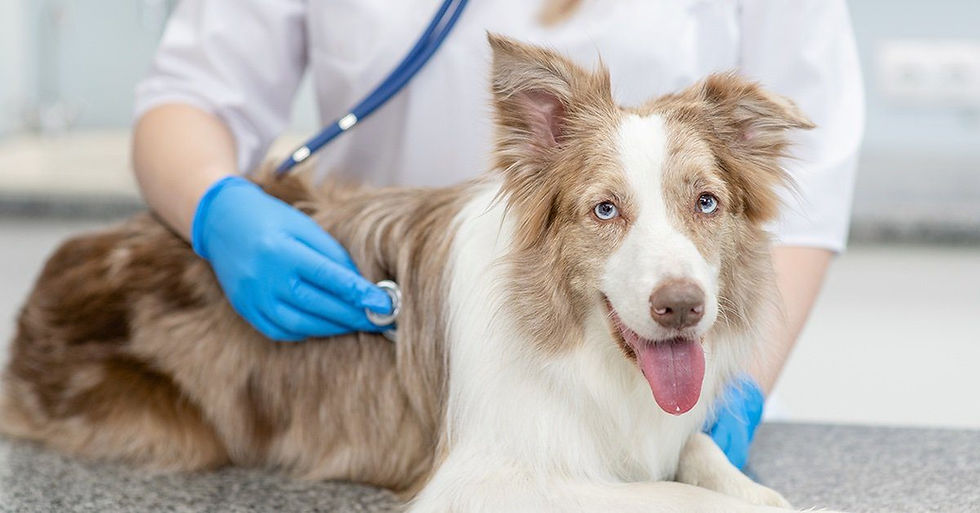
Perform a nose-to-tail physical exam, checking weight, teeth, eyes, ears, skin, and joints.
Review parasite plans and refresh your dog's flea and tick protection as well as their heartworm prevention.
Run a heartworm test, which is usually recommended once a year.
Check a stool sample with a fecal test to screen for intestinal parasites.
Give any vaccine booster shots that are due.
Routine wellness exams are designed to catch problems like dental disease, obesity, arthritis, heart murmurs, skin conditions, and certain cancers before they become more serious or expensive to treat.
This is also your chance to ask questions about diet, behavior, and anything that's seemed a little off. You know your dog best, and your vet wants to hear what you've noticed.
How often should puppies go to the vet?
Puppies need to see the vet often. Puppies typically visit the vet every 3 to 4 weeks, starting around 6 weeks of age and continuing until they’re about 16 weeks old. After that, you can settle into an annual schedule.
These early visits do a lot of heavy lifting. Each one usually includes a weight and growth check, a physical exam, and the next round of the puppy vaccine schedule. Your vet will also talk through parasite prevention, nutrition, socialization, and when to spay or neuter your dog.
It's a lot to track, so a new puppy checklist can help you stay on top of appointments and supplies during those busy first months.
How often do dogs need vaccines and boosters?
The puppy vaccine schedule is a series of core vaccines every 3 to 4 weeks, starting at 6 to 8 weeks old and continuing until they’re about 16 weeks old. After that, adult dogs receive booster vaccines every 1 to 3 years, depending on the vaccine and your veterinarian’s recommendations.
Core vaccines protect against distemper, parvovirus, and adenovirus, and they're recommended for nearly all dogs. The rabies vaccine is typically given after 3 months of age and is required by law in most places. Per the AAHA 2022 Canine Vaccination Guidelines, your vet tailors the timing to your dog's age and risk.
Non-core vaccines depend on your dog's lifestyle. Common ones include the kennel cough vaccine for dogs who board or socialize, plus Lyme protection. Leptospirosis is now recommended as a core, annual vaccine for most dogs.

How often should senior dogs go to the vet?
Senior dogs, generally 8 years and up, usually do best with twice-a-year vet visits. Health can change quickly in older dogs, so seeing your vet every 6 months helps you stay ahead of it.
Senior visits often go beyond the standard exam. Your vet may recommend senior dog blood work to check organ function, a closer look at dental health, and a mobility check for early arthritis. Spotting these changes early gives you more options and more comfortable years together.
Some dogs need to see the vet more often
Your dog’s age isn’t the only factor that determines how often they should see the veterinarian.
Your vet may recommend more frequent visits if your dog:
has diabetes, kidney disease, heart disease, or another chronic illness
takes long-term medications
has severe allergies or recurring ear or skin infections
is recovering from surgery or an injury
has cancer or another condition requiring ongoing monitoring
belongs to a breed with higher health risks
How much does a dog vet visit cost?
The cost of a routine dog vet visit typically runs about $50 to $250. The final number depends on your dog's needs, your location, and which tests the vet runs.
Here's a look at typical costs for common services:
Service | Typical cost |
Office visit | $40 to $90 |
Blood work | $50 to $200 |
Urinalysis | $20 to $60 |
Fecal exam | $25 to $50 |
When to take your dog to the vet immediately
Some symptoms can't wait for a scheduled appointment.
If your dog shows any of the following signs, contact your vet or an emergency clinic right away:
Trouble breathing, choking, or collapse
Repeated vomiting or diarrhea, especially with blood
A swollen, hard, or bloated belly
Suspected poisoning or eating something toxic
Seizures, sudden weakness, or inability to stand
A serious injury, deep wound, or heavy bleeding
Straining to pee or no urine at all
Pale gums, extreme lethargy, or nonstop pacing
Try not to panic. Call ahead so the clinic can prepare, keep your dog calm and still, and head in.
When in doubt, it's always safer to call your vet than to wait and see.
What to do if your dog hasn't been to the vet in years
If your dog hasn't been to the vet in years, you're not alone, and it's never too late to start. Life gets busy, and a healthy-seeming dog can make it easy to put off appointments.
The best next step is simple: book a wellness visit. Your vet will do a full checkup, catch up on any overdue vaccines, and build a fresh plan based on where your dog is today. There's no judgment, your vet just wants to help your dog feel their best. Getting back on schedule is one of the kindest things you can do for your pup.

Frequently asked questions
How often do dogs need to go to the vet each year?
Most healthy adult dogs need at least one vet visit per year for a wellness exam. Puppies, seniors, and dogs with health conditions typically need more frequent visits. Your vet can recommend the right cadence for your dog.
Do healthy adult dogs really need an annual checkup?
Yes. Dogs are good at hiding pain and illness, and they age faster than people do. An annual dog checkup helps your vet spot problems early, keep vaccines current, and track changes over time.
How often should puppies go to the vet?
Puppies should visit every 3 to 4 weeks from about 6 to 16 weeks of age. These visits cover growth checks, physical exams, the core vaccine series, and parasite prevention before shifting to a yearly schedule.
How often do senior dogs need to see the vet?
Senior dogs, usually 8 years and older, generally benefit from twice-a-year visits. More frequent exams help your vet catch age-related changes like arthritis, dental disease, and organ issues early, often through senior dog blood work.
What shots do dogs need every year?
Core protection includes distemper, parvovirus, adenovirus, and rabies, with leptospirosis now recommended annually for most dogs. Boosters vary from every year to every 3 years. Your vet sets the schedule based on your dog's age and lifestyle.
How much does a routine dog vet visit cost?
A routine visit usually costs about $50 to $250, depending on your location and the tests involved. An office visit alone often runs $40 to $90, while add-ons like blood work or a fecal exam raise the total.
My dog hasn't been to the vet in years. What should I do?
It's never too late to restart. Book a wellness exam so your vet can do a full checkup, update overdue vaccines, and create a current care plan. Getting back on track protects your dog's long-term health.
Can I skip my dog’s yearly vet visit if they seem healthy?
No. Even healthy dogs should have a yearly wellness exam. Dogs often hide signs of pain or illness, and many health problems, including dental disease, arthritis, heart disease, and obesity, can develop gradually without obvious symptoms.
Keeping your dog healthy for the long run
Hopefully, your next vet visit is wonderfully uneventful.
A quick exam, a clean bill of health, maybe a treat or two, and you’re both back to your normal routine. If something unexpected does come up, you’ll know about it sooner rather than later, when it’s often easier to treat or manage.
Routine checkups may not be the most exciting part of having a dog, but they help make sure there are plenty more walks, road trips, games of fetch, and zoomies ahead.