Key Points
There is no safe amount of blue-green algae for dogs. Even a few mouthfuls of contaminated water, or licking wet fur after a swim, can be enough to cause fatal poisoning.
Symptoms such as vomiting, drooling, muscle tremors, seizures, and sudden weakness can appear within minutes of exposure.
If you think your dog has been near blue-green algae, treat it as an emergency and get to a veterinarian right away, as fast treatment offers the best chance of survival.
A day spent by a refreshing body of water is one of summer's great joys, for dogs and people alike. But that same inviting water can hide one of the most dangerous threats a dog will face all season: blue-green algae.
Blue-green algae tends to appear in still, warm water from roughly July through August, and it doesn't always look alarming. A pond that seems a little murky, or topped with a film of greenish scum, can carry toxins potent enough to harm a dog within minutes. Dogs are especially vulnerable because they gulp water mid-swim and lick their fur afterward, so even brief contact can turn serious fast.
So, how much blue-green algae is toxic to dogs, and what should you do if your dog is exposed? Here's what cyanobacteria actually is, how to recognize it, the symptoms to watch for, and the steps that can save your dog's life.
What is blue-green algae?
Despite the name, blue-green algae isn't truly algae at all. Rather, it's a group of microscopic organisms called cyanobacteria. These organisms live in lakes, ponds, and slow-moving rivers, and they multiply rapidly in water that's warm, still, and rich in nutrients.
When conditions line up, they can build into dense clusters known as blooms.
Harmful algal blooms are fueled by warm temperatures, sunlight, and nutrient runoff. That's why they're most common in late summer, though they can develop any time the water is warm and stagnant.
Not every bloom produces toxins, but there's no way to tell a toxic bloom from a harmless one just by looking. That's why veterinarians recommend treating any suspected bloom as dangerous and keeping your dog well away from it.
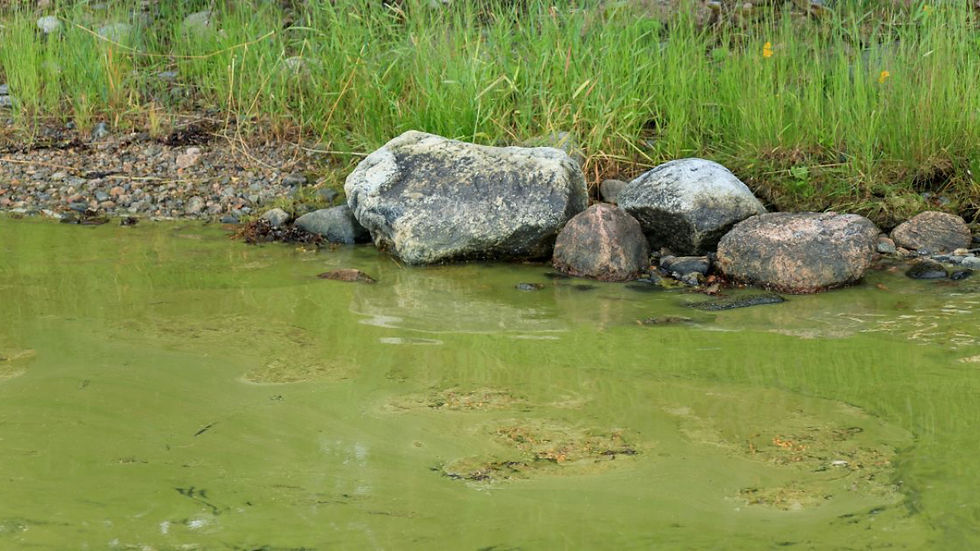
What does toxic blue-green algae look like?
Knowing what blue-green algae looks like can help you steer your dog clear. Blooms vary in appearance, but common warning signs include:
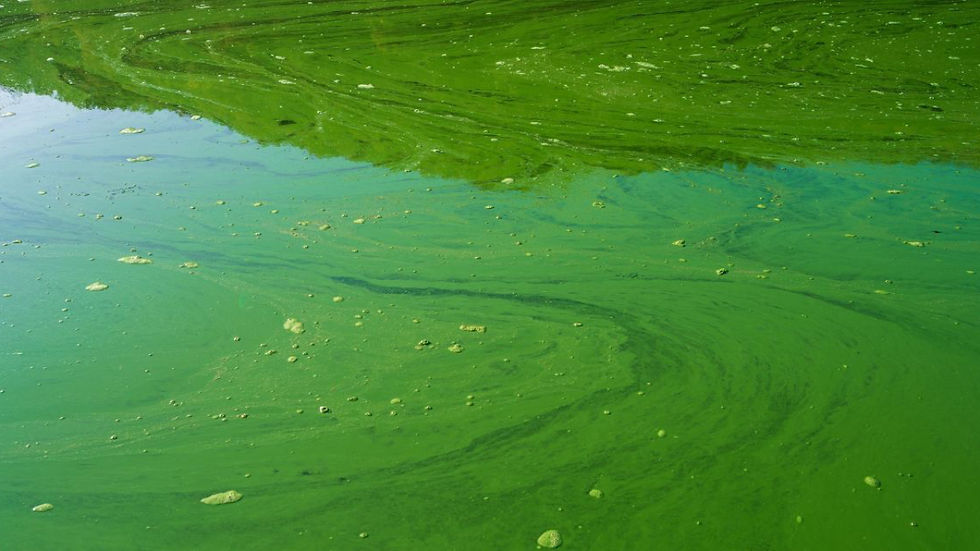
Water that looks like pea soup or spilled green paint
A blue-green, bright green, or greenish-brown film on the surface
Foam, scum, or thick mats along the shoreline
A swampy, musty, or generally unpleasant smell
Colors can range from teal to brown, and occasionally red. When wind pushes a bloom toward shore, it collects into a thick, paint-like layer right where a dog is likely to wade in and drink. If a body of water has a warning sign, or simply looks and smells off, keep your dog from swimming in or drinking from it.
How much blue-green algae is toxic to dogs?
There is no safe amount of blue-green algae for dogs. Even a few mouthfuls of contaminated water can deliver a fatal dose, and a dog doesn't have to go for a full swim to be exposed. Drinking from the edge or licking water off their fur and paws is enough.
Part of what makes cyanobacteria so dangerous is the range of toxins it can produce. VCA groups the toxins found in blue-green algae into a few main types:
Neurotoxins, which attack the nervous system
Hepatotoxins, which damage the liver
Dermatotoxins, which irritate the skin and digestive tract
A single bloom can contain more than one of these toxins, and concentrations vary wildly from one patch of water to the next, so there's no reliable "low-risk" amount. Because such a tiny quantity can cause severe poisoning, the safest approach is to assume any contact is an emergency.
Symptoms of blue-green algae poisoning in dogs
One of the most frightening things about blue-green algae poisoning in dogs is how fast it moves. Depending on the toxin involved, signs can appear anywhere from a few minutes to a few hours after exposure.
Symptoms linked to neurotoxins tend to come on quickly – often within 15 to 30 minutes – and may include:
Drooling or excessive salivation
Muscle tremors or twitching
Weakness or trouble walking
Difficulty breathing
Collapse
Symptoms linked to liver toxins may take longer to surface, sometimes within several hours, and can include:
Vomiting, sometimes bringing up yellow bile
Diarrhea, sometimes bloody or black
Pale or yellow-tinged gums
Lethargy and disorientation
Weakness
Because these symptoms overlap with many other illnesses, context is the deciding factor. If your dog has recently been in or near questionable water, don't wait to see whether the signs pass. Blue-green algae symptoms in dogs can escalate to liver failure or respiratory failure with alarming speed.

What to do if your dog is exposed to blue-green algae
If you suspect your dog has had any contact with blue-green algae, act immediately. This is a true emergency, and every minute matters. Take these steps:
Get your dog out of and away from the water right away.
Rinse them thoroughly with clean, fresh water to remove algae from their coat before they can lick it off, and wear gloves to protect yourself.
Call your veterinarian or the nearest emergency animal hospital and head there without delay.
If you can't reach a vet quickly, contact ASPCA Poison Control for guidance.
Don't wait for symptoms to appear before seeking help. There's no at-home treatment for cyanobacteria exposure and no antidote for the toxins, so the sooner a veterinarian can begin care, the better. Treatment is supportive and may include inducing vomiting, IV fluids, medication to control seizures, oxygen, and liver-protective drugs, depending on which toxins are involved.
Blue-green algae isn't the only warm-weather hazard worth knowing about. Accidental poisonings from toxic plants for dogs and substances like rat poison send dogs to the emergency room every year, too.
As a veterinary technician, I see toxicity cases climb every summer. When pets spend more time outdoors with their families, they're exposed to far more potential poisons, from chemicals like insect repellents and fertilizers to natural threats like blue-green algae and toxic plants.
Before you head outside with your four-legged companion this season, take a moment to learn which toxins are common in your area. A little awareness goes a long way toward a safe, happy summer together.
Can a dog survive blue-green algae poisoning?
Yes, some dogs do survive, but the outlook depends heavily on how much toxin they were exposed to and how quickly they get treatment. Cornell's veterinary experts note that the prognosis is guarded, and neurotoxic poisoning in particular can prove fatal within minutes to hours.
The takeaway isn't that the situation is hopeless, but that speed is everything. Dogs treated promptly, before the toxins do their worst damage, have a far better chance than those whose poisoning goes unnoticed. That's exactly why recognizing exposure and getting to a vet fast matters so much.
Keep your dog safe this summer
The good news is that blue-green algae poisoning is almost entirely preventable. A few simple habits go a long way during bloom season:
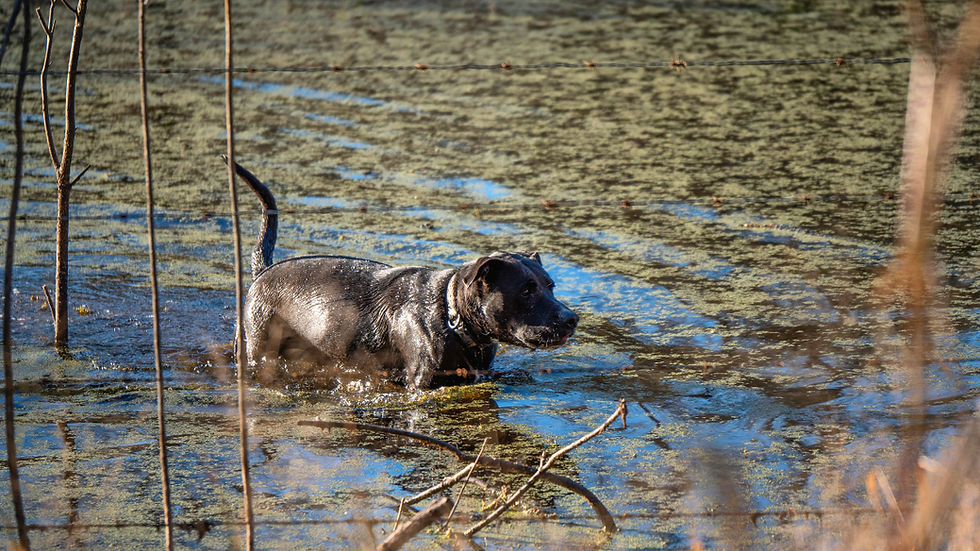
Keep your dog from swimming in or drinking from still ponds, lakes, or slow rivers with visible scum, foam, or discoloration.
Heed posted warning signs and local water-quality advisories.
Bring fresh drinking water on hikes and outings so your dog isn't tempted by standing water.
Rinse your dog with clean water after any swim, even when the water looks clear.
Even with the best precautions, accidents happen, and emergency care for toxic exposure can be costly. Accidental toxin ingestion is one of the more common reasons pet parents file a claim. Pumpkin Dog Insurance plans help shoulder the financial burden, so an emergency like this one is easier to handle. Learn more about Pumpkin Dog Insurance plans to see how coverage could help protect your pup before you ever need it.
Frequently asked questions
How long does it take for blue-green algae to affect a dog?
Signs can begin within 15 to 30 minutes when neurotoxins are involved, and within a few hours for liver toxins, so symptoms may appear almost immediately after exposure.
What should I do if my dog drinks water with blue-green algae?
Treat it as an emergency. Rinse your dog with clean water and get to a veterinarian right away, even before any symptoms appear.
Is green algae in a pond dangerous for dogs?
Ordinary green algae is usually harmless, but because toxic blue-green algae can look similar, it's safest to keep your dog out of any pond with visible scum or discoloration.
What time of year is blue-green algae most dangerous?
Blooms are most common and most toxic in warm weather, typically peaking in July and August, though they can occur whenever water is warm and still.