
Key points
Cats cannot eat onions, garlic, chocolate, caffeine, grapes, raisins, alcohol, raw dough, or xylitol - even small amounts can cause organ damage.
A complete what can cats not eat list includes raw meat, raw eggs, raw fish, dairy, cooked bones, and salty snacks.
If your cat eats a toxic food, call your veterinarian, ASPCA Animal Poison Control (888-426-4435), or the Pet Poison Helpline (855-764-7661) right away.
Over my 35-year career as a veterinarian, I've learned that new cat parents and even experienced cat lovers may think that if a human can eat a certain food, then their cat can also. That's far from the truth and a dangerous way to think. Cats evolved from their feline ancestors and retain their obligate carnivore characteristics. While their basic anatomy is similar to ours, their internal organs process food very differently.
What can cats not eat? Everyday food items such as certain fruits, onions, and chocolate can cause severe illness and even death in a cat. Cat parents should learn the most dangerous foods and the warning signs of poisoning. We've included a quick-reference table, a “what can cats not eat” list, and a clear emergency action plan to help you. Fortunately, most poisonings are treatable if caught early.
Why cats react differently to human food
One of the main reasons cats can't eat exactly what we eat is their lack of certain liver enzymes. Compounds in food that people can process easily can quickly build to toxic levels in cats.
What can cats eat, then? According to feeding guidance from Cornell's feline health experts, they should be fed complete and balanced cat food, and if you want to occasionally give them a piece of cooked meat as a treat, you can.
In my experience, two questions come up constantly: can cats eat rice and can cats eat bread? The answer to both is yes, but they probably won't like them, and neither is necessary. I am also asked, “What human food can cats eat?” every day. My recommendation is none. My advice is to feed your cat a complete and balanced diet, as designated by the AAFCO, and keep treats under about 10% of daily calories.
The most toxic foods for cats
While it's not good to feed your cat any human food, some items are very dangerous. Memorize these and keep them well out of reach.
Onions, garlic, and other alliums
Onions, garlic, chives, and leeks, whether fresh, cooked, or powdered in gravies and baby food, can cause life-threatening anemia because they destroy red blood cells.
Chocolate and caffeine
While I've spent most of my time as a veterinarian in private practice, I've also manned pet hotlines. The most common human food item I receive calls about is chocolate. Caffeine questions are also common. Both items contain methylxanthines, which are stimulants that can lead to vomiting, tremors, and seizures because cats can't metabolize them. Chocolate becomes more dangerous the darker it is, but even milk chocolate is dangerous.
Grapes and raisins
Kidney disease is fairly common in cats as they age, but even a tiny amount of grapes or raisins can cause acute kidney failure, including those baked into bread. Treat any ingestion as an emergency.
Alcohol and raw yeast dough
While I don't hear about this often in cats, I have treated cats that got into alcohol, which depresses a cat's nervous system. Raw yeast dough doubles the danger because it expands in the stomach as it ferments into alcohol.
Xylitol
Xylitol is more commonly known among pet parents than some of the other toxic foods. It is the sugar-free sweetener that you find in many mints, gums, and even some peanut butters. While xylitol poisoning is more common in dogs, it is recommended never to share it with cats either.
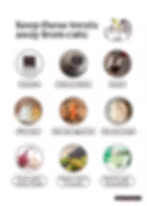
Download and print a copy to keep on your fridge.
Raw meat, raw eggs, and raw fish
While raw food diets have become more common over the past decade because of new safety measures in processing, raw products in your own kitchen can still be dangerous for your cat. They can carry E. Coli and Salmonella, raw egg whites block biotin absorption, and over time raw fish depletes vitamin B1.
Milk and dairy
It's long been known that most adult cats are lactose intolerant, so those precious pictures of kitties lapping up a saucer of milk are quite deceptive. Vomiting or diarrhea is the most likely result. Learning how cats handle cheese is also important.
Bones and fat trimmings
While bones and fat trimmings are not toxic, they belong in this list of foods for cats to stay away from because cooked bones splinter and can puncture the digestive tract. Excessive fat can lead to pancreatitis.
Salty and heavily seasoned foods
There's a limit to the amount of sodium that any living being can tolerate, and that includes cats. Watch out for chips, cured meats, and seasoned leftovers. Symptoms include excessive thirst, vomiting, and even sodium poisoning.

Warning signs of food poisoning in cats
If your cat has been poisoned, symptoms can occur within minutes or take days. Watch for:
Diarrhea or vomiting
Weakness, lethargy, pale gums
Drooling or pawing at the mouth
Racing heart or rapid breathing
Tremors, stumbling, or seizures
Cat parents often ask me what can kill a cat suddenly. In my experience, the most dangerous food toxins have been dark chocolate, alcohol, or large allium doses. VCA's veterinary guidance on household toxins emphasizes that early treatment dramatically improves outcomes.
Quick-reference: toxic foods and severity table
Severity data drawn from the Merck Veterinary Manual's food hazards guide:
Why it's dangerous | Severity | Call the vet if... | |
Onions & garlic | Destroys red blood cells | Severe | Any amount, even powders |
Chocolate & caffeine | Stimulant overdose | Severe | Any amount |
Grapes & raisins | Sudden kidney failure | Severe | Any amount |
Alcohol & raw dough | Nervous system depression | Severe | Any amount |
Xylitol | Low blood sugar, liver damage | Serious | Any sweetened product |
Raw meat, eggs & fish | Bacteria, vitamin depletion | Moderate | Symptoms appear |
Dairy, bones & fatty scraps | GI upset, injury, pancreatitis | Mild–moderate | Ongoing vomiting or pain |
What to do if your cat eats something toxic
Unfortunately, if you suddenly realize that your cat ate something toxic, most people's immediate reaction is to panic and perhaps freeze. Don't do that, and don't wait for symptoms. Many toxins harm your cat long before they show symptoms.
Immediately move your cat and remove what's left.
Write down what they ate, how much they ate, and how long ago.
Call your veterinarian, ASPCA Animal Poison Control (888-426-4435), or the Pet Poison Helpline (855-764-7661) – both answer 24/7 and do have a small fee for use.
Never induce vomiting or administer any home remedies unless your veterinarian tells you to. The first question many cat parents ask me when they call about their cat ingesting toxic food is whether they should induce vomiting. Sometimes the substance ingested can be more dangerous if it comes back up.
Follow instructions exactly, heading to an emergency clinic if advised.
Bookmark the ASPCA's list of foods to avoid feeding pets and the Pet Poison Helpline's top pet poisons.

How to keep toxic foods away from your cat
It's not a lot different from having a toddler. That's how I have come to view things automatically.
Store toxic foods in closed cabinets – cats can jump high
Read labels for hidden onion or garlic powder (sauces, broths, baby food) and xylitol (gum, some peanut butters).
Tell your guests you have a firm no-table-scraps rule, and keep trash cans covered.
A few habits go a long way toward preventing toxic ingestion at home.
Also, while learning about toxic foods for cats, you may also learn that common houseplants are poisonous to cats. They can be equally dangerous.
Knowledge is your cat's best protection
Know the highest-severity foods, watch for the warning signs, and keep the emergency numbers handy – early treatment is so important.
Frequently asked questions
What is the most harmful food for cats?
The most dangerous foods for cats are onions and garlic, chocolate, grapes and raisins, alcohol, and xylitol-sweetened products. Each can cause serious organ damage, from anemia to kidney or liver injury, even in small amounts. Treat any ingestion of these foods as an emergency and call your veterinarian right away.
What can cats not eat that will kill them?
Grapes and raisins can cause fatal kidney failure, alcohol and concentrated chocolate or caffeine can shut down the nervous system and heart, and large allium doses can destroy enough red blood cells to be deadly. None has a reliably safe amount, so don't wait for symptoms – contact a veterinarian or poison helpline immediately.
Can cats eat scrambled eggs?
Plain, fully cooked eggs – scrambled or boiled, with no butter, milk, onion, or seasoning – are fine as an occasional protein-rich treat. Raw eggs are different: they carry a Salmonella risk, and raw whites interfere with biotin absorption. Cats can eat eggs, but only when they’re properly prepared.
What should I do if my cat ate something toxic?
Act immediately - don't wait to see whether symptoms develop. Call your veterinarian, ASPCA Animal Poison Control (888-426-4435), or the Pet Poison Helpline (855-764-7661) with details on what your cat ate, how much, and when. Never induce vomiting unless a professional directs you to, and be ready to visit an emergency clinic.