Updated: Oct 15
Key Points
Peanut butter isn’t toxic to cats, but it’s not an ideal treat for them.
Cats don’t gain real nutritional benefits from peanut butter since they’re obligate carnivores.
Certain ingredients, like xylitol (birch sugar), can be dangerous to pets and should always be avoided.
There are safer, cat-friendly treats available that better support your cat’s health.
Sharing snacks with our pets is a wonderful way to bond. If your cat has ever shown interest when you open a jar of peanut butter, you might wonder if a taste is okay. After all, many human foods are safe for pets, making it easy to share a lick or nibble of an afternoon treat.
So, can cats eat peanut butter? Yes, but it’s not advised. Before you indulge your cat’s curiosity, it’s important to understand why it’s not the ideal treat for cats or kittens. While peanut butter isn’t toxic, it doesn’t offer the right kind of nutrients cats need. Certain ingredients can even be harmful. In this post, we’ll break down the facts so you can make an informed decision about whether peanut butter belongs in your cat’s diet.
Is Peanut Butter Safe for Cats?
Cats and peanut butter are a much less likely combination than dogs and peanut butter. However, the good news is that, unlike chocolate and cherries, peanut butter is a food cats can't eat. If your cat sneaks a bit from your PB&J, you don’t need to panic. However, that doesn’t mean peanut butter is a go-to snack. Cats are not built to digest or benefit from peanut butter the way we do. It doesn’t fit into a balanced feline diet.
Peanut butter lacks the essential nutrients that cats need to thrive, such as taurine (an amino acid found in animal-based proteins) and omega-3 fatty acids. While it’s not harmful in small quantities, peanut butter offers no real nutrition for cats. So, while a tiny taste is unlikely to cause harm, it’s far from being a nutritious treat.
Does Peanut Butter Offer Any Health Benefits for Cats?
Despite being a favorite snack for many people, peanut butter doesn’t offer much in the way of health benefits for cats. Foods like bananas or peanut butter are packed with vitamins and minerals from plant sources that humans benefit from. Cats aren’t designed to get their nutrition from plants. As obligate carnivores, their bodies depend on nutrients found in meat to stay healthy, making peanut butter an unnecessary and unhelpful addition to their diet.
When it comes to nutrition, cats need animal-based protein that provides all the essential amino acids, such as taurine. Commercially produced feline diets are the best way to ensure your cat gets all the nutrition they need.
So, is peanut butter good for cats? Not really, since there are few, if any, benefits of peanut butter for cats. It’s mostly empty calories and can lead to unwanted weight gain if consumed too often.
Risks of Feeding Peanut Butter to Cats
Even though peanut butter isn’t toxic, it still carries risks that can affect your cat’s health. One of the biggest concerns is the high fat content. Peanut butter is very calorie-dense, and cats don’t need extra calories from fats that their bodies aren’t designed to process. Too much fat in a cat’s diet can lead to digestive issues, obesity, or pancreatitis, a painful inflammation of the pancreas that can be life-threatening.
Peanut butter also tends to be high in salt and sugar, neither of which is necessary for a cat’s diet. Excess salt can put stress on the kidneys, and too much sugar can contribute to obesity and other health issues. The sticky, thick texture of peanut butter is also problematic, as it can stick to your cat’s mouth, potentially causing choking or discomfort.
In short, while a small lick probably won’t harm your cat, peanut butter doesn’t have enough redeeming qualities to justify offering it regularly.
Peanut Butter Allergies in Cats
Although rare, some cats may have food sensitivities or even mild allergic reactions to peanut butter. If your cat shows signs of discomfort like vomiting, diarrhea, itching, or swelling after having peanut butter, it’s best to avoid offering it in the future and speak with your veterinarian.
Peanut Butter Ingredients to Avoid
What’s most concerning about peanut butter isn’t the peanuts themselves; it’s what gets added to the mix. Here are a few ingredients you should keep away from your cat:
Xylitol: This sugar substitute is extremely toxic to dogs and can cause serious, even life-threatening problems like hypoglycemia and liver failure. While it doesn’t seem to trigger the same dangerous reactions in cats, it’s still best to avoid it altogether and err on the side of caution.
Salt and sugar: High levels of salt can stress your cat’s kidneys, while sugar adds unnecessary empty calories.
Hydrogenated oils and preservatives: These additives don’t provide any nutritional value and can cause digestive upset over time.
Flavorings: Some peanut butters contain artificial flavorings or sweeteners that are best avoided.
Before sharing peanut butter, always check the ingredient list to ensure there are no harmful additives. Or, opt for a treat geared specifically toward cats and skip the worry.
Do Cats Eat Peanuts?
Peanuts themselves aren’t a food that most cats are naturally drawn to, and that’s actually a good thing. Whole peanuts are difficult for cats to digest and can be a choking hazard. Salted or flavored peanuts can add even more risks. While they’re not toxic in small amounts, it’s better to skip the peanuts and stick with safer treats.
How to Offer Peanut Butter Safely to Your Cat
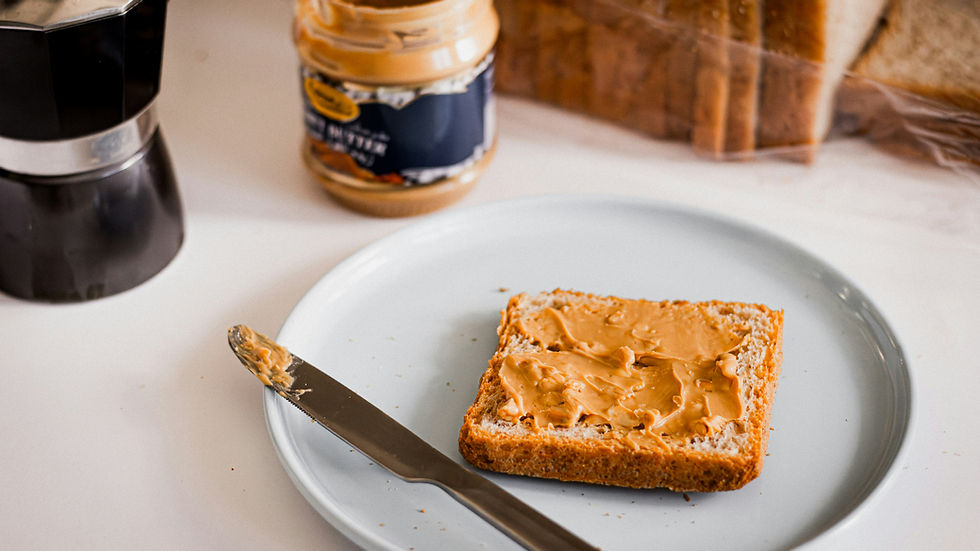
If you really want to share a small treat with your cat, a tiny amount of plain, unsweetened, unsalted peanut butter can be okay on occasion, but it’s important to keep it to a minimum. Make sure it’s xylitol-free, and offer just a dab. Even then, it should only be a once-in-a-while treat, not a regular part of your cat’s diet.
Although watching your pet try to unstick peanut butter from the roof of their mouth can cause some chuckles, too big a glob of peanut butter can pose a choking hazard. Give your cat a pea-size amount and see how they handle it, and that should be plenty for an occasional treat.

Safer Peanut Butter Alternatives for Cats
If you’re looking for a safer treat option, there are plenty of peanut butter alternatives for cats. For example, you can try:
Commercial cat treats, like Churu, that are formulated with feline nutrition in mind.
Cooked, unseasoned chicken or turkey breast.
Canned tuna in water.
Freeze-dried meat treats.
These treats offer the variety your cat craves, without any of the risks associated with peanut butter.
Remember to stick to a small portion of treats each day that make up no more than 10% of your cat’s daily caloric intake to keep them at a healthy weight.
Peanut Butter is Not Your Cat’s Best Friend
At the end of the day, peanut butter might be harmless in tiny amounts, but it doesn’t really do anything for your cat’s health. Cats thrive on meat-based nutrition, and sticking to foods (and treats) designed specifically for them is the best way to support their long-term wellbeing.
FAQ
Can I use peanut butter to hide a pill for my cat?
While peanut butter might work in a pinch, it’s better to use treats made specifically for pill hiding, or consult your veterinarian for safer options.
Is natural peanut butter safe for cats?
Even natural peanut butter is not a safe peanut butter for cats. It can cause issues due to its fat and calorie content, plus the added salt can tax your kitty’s kidneys. It’s best to avoid any formulation of peanut butter, except as a very occasional treat.
Can cats have peanut butter dog treats?
While peanut butter dog treats may seem tempting to share, they’re specifically formulated for dogs, not cats. These treats often contain ingredients that are more appropriate for canine digestion and may not sit well with your cat’s stomach. It’s always best to stick with treats that are designed for your cat’s unique dietary needs.
What should I do if my cat eats peanut butter with xylitol?
Although xylitol does not appear to cause the same life-threatening issues as it does in dogs, it’s best to err on the side of caution and call your veterinarian immediately.