Key Points
Hypothyroidism in dogs occurs when the thyroid gland doesn't produce enough hormones, leading to symptoms like weight gain, lethargy, and hair loss.
The condition is most commonly caused by autoimmune thyroiditis and typically affects middle-aged dogs of certain breeds, including Golden Retrievers, Doberman Pinschers, and Labrador Retrievers.
Diagnosis involves thyroid blood tests (T4 and T3 in dogs), and treatment with daily synthetic thyroid medication is simple, effective, and lifelong, with most dogs improving dramatically within weeks.
As a registered veterinary technologist, I've weighed a lot of dogs over the years. When a Labrador or Golden Retriever hops on the scale at their wellness visit and they've packed on 10 pounds since I last saw them — with no change in diet or exercise — my radar goes off. I'll run my hands through their coat, and if it feels rough or patchy in spots where it used to be thick and shiny, I'm already thinking about their thyroid.
Before the vet comes in, I'll ask the parent: Have you noticed your dog slowing down lately? Sleeping more than usual? Maybe their skin seems a little dry? Often, they'll pause and say something like, "Well, yeah, but we just figured they were getting older." That's when I explain that while some of these changes can be normal aging, they could also point to hypothyroidism, and it's worth testing.
The conversation usually shifts when I mention how manageable the condition is. A simple blood test can confirm it, and if their thyroid levels are low, a daily medication can have them feeling like their old self again within weeks. I've seen it happen dozens of times.
If you're noticing similar changes in your own dog — the unexplained weight gain, the lackluster coat, the unusual tiredness — here's what you should know about hypothyroidism in dogs, from symptoms and causes to testing and treatment.
What is hypothyroidism in dogs?
The thyroid gland sits in your dog's neck, producing hormones that control metabolism and how their body uses energy. The two main thyroid hormones are thyroxine (T4) and triiodothyronine (T3). When the thyroid gland becomes underactive and doesn't produce enough of these hormones, it results in hypothyroidism.
When thyroid hormone levels drop too low, everything slows down: metabolism, heart rate, mental alertness, and even skin cell regeneration. This slowdown explains why dogs with low thyroid levels often gain weight, feel tired, and develop skin problems.
As a chronic condition, hypothyroidism requires lifelong treatment. However, with consistent treatment and monitoring, dogs with hypothyroidism can live completely normal, happy lives.
Symptoms of hypothyroidism in dogs
The tricky part about canine hypothyroidism is that symptoms develop gradually, often over months. Many parents mistake these changes for normal aging, which is why the condition sometimes goes undiagnosed for a while.
Common signs to watch for include:
Unexplained weight gain
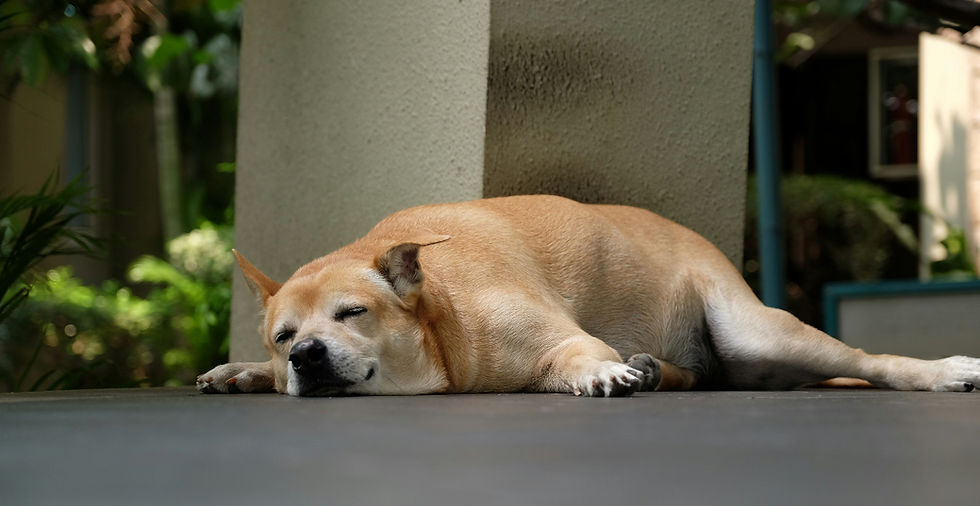
Lethargy or decreased activity levels
Hair loss, especially on the trunk, tail, or behind the ears
Dry, flaky, or dull coat
Recurrent skin or ear infections
Cold intolerance (seeking warm spots more than usual)
Slow heart rate
Thickening of facial features or "tragic" facial expression
Behavioral changes, including mental dullness
Because these symptoms of hypothyroidism in dogs appear slowly, it's easy to overlook them individually. But when you step back and notice that your pup has gained weight, seems less interested in walks, and their once-shiny coat looks lackluster, it's worth discussing thyroid testing with your vet.
Some dogs may also experience less common symptoms like unusual lethargy, digestive issues, or reproductive problems. If you notice any combination of these signs, especially in a middle-aged dog, scheduling a vet visit is a good idea.
While hypothyroidism itself isn’t an emergency, sudden or severe symptoms like weakness or collapse should always be taken seriously. Knowing what to do in a pet emergency can help you act quickly and confidently.
What causes hypothyroidism in dogs?
Understanding what causes hypothyroidism in dogs can help you recognize risk factors and catch the condition early. The vast majority of cases fall into two categories:
Autoimmune thyroiditis is the most common cause of hypothyroidism in dogs. In this condition, the dog's immune system mistakenly attacks the thyroid gland, gradually destroying the tissue that produces thyroid hormones. This is similar to Hashimoto's disease in humans.
Thyroid gland atrophy is the second leading cause. In these cases, normal thyroid tissue is replaced by fat tissue for reasons that aren't fully understood.
Rarely, dogs can be born with congenital hypothyroidism, though this is uncommon. Even more rarely, certain medications, thyroid tumors, or cancer treatments can affect thyroid function.
Risk factors for canine hypothyroidism include:
Age: Middle-aged dogs (typically 4 to 10 years old) are most commonly affected.
Breed: Certain medium and large breeds are predisposed, including Golden Retrievers, Labrador Retrievers, Beagles, Boxers, Cocker Spaniels, and Irish Setters.
Spayed or neutered status: There may be a slightly higher risk, although the link has not been confirmed and this shouldn't discourage you from spaying or neutering.
It's important to know that hypothyroidism is not caused by anything you did or didn't do. It's not related to diet, exercise, or care quality; it's simply a condition that some dogs develop due to genetics and immune system function.

How vets test for low thyroid in dogs
If your veterinarian suspects hypothyroidism based on symptoms and a physical exam, they'll recommend blood tests to confirm the diagnosis. Symptoms alone aren't enough because many conditions can mimic hypothyroidism.
Thyroid testing in dogs
The gold standard for diagnosing hypothyroidism in dogs involves measuring thyroid hormone levels in the blood. Your vet may run several different thyroid tests:
Total T4 (thyroxine) is often the first screening test. Low levels can indicate hypothyroidism, but this test alone isn't always definitive because T4 levels can be temporarily suppressed by other illnesses, certain medications, or stress. If total T4 comes back low, your vet will likely recommend additional testing.
Free T4 measures the active, unbound form of the hormone. This test is less affected by other illnesses and provides a more accurate picture of thyroid function. It's often performed alongside total T4 to improve diagnostic accuracy.
T3 (triiodothyronine) is sometimes measured as part of a comprehensive thyroid panel, but it's not typically relied upon as a standalone diagnostic tool. T3 levels in dogs can fluctuate more than T4 and don't always correlate with hypothyroidism.
TSH (thyroid-stimulating hormone) can also be measured. In hypothyroidism, TSH levels are often elevated as the pituitary gland tries to stimulate the underactive thyroid. However, TSH testing in dogs isn't as straightforward as in humans, so it's used in combination with other tests.
Your vet may recommend a complete thyroid panel that includes multiple measurements to get the most accurate diagnosis.
When additional testing is needed
Because many conditions can affect thyroid hormone levels, your vet might also recommend:
Complete blood count (CBC) to check for anemia (common in hypothyroid dogs)
Blood chemistry panel to evaluate organ function and cholesterol (often elevated in hypothyroidism)
Tests to rule out common dog diseases like Cushing's disease, which can mimic hypothyroid symptoms
If your dog has common skin problems, your vet might perform skin cytology to check for infections that often accompany hypothyroidism.
It's worth noting that certain factors can temporarily lower thyroid hormone levels even in dogs without true hypothyroidism, including:
Recent illness or surgery
Medications like steroids or anti-seizure drugs
Normal fluctuations in hormone levels
This is why vets interpret thyroid tests in the context of your dog's overall health and may retest if results are borderline or if your dog was recently sick.
How low thyroid treatment in dogs works
Once your vet confirms hypothyroidism, treatment is straightforward. The standard approach involves replacing the missing thyroid hormone with a synthetic version.
Levothyroxine is a synthetic thyroid hormone given as a daily oral medication. Most dogs take it twice a day, though some may only need it once daily. The medication comes in small tablet form and is generally easy to administer hidden in a treat or bit of food.
Thyroid medication for dogs is highly effective, and most dogs show improvement within a few weeks of starting treatment. You might notice your pup has more energy, starts losing weight, and their coat begins to regrow. Other skin problems also often clear up as thyroid levels normalize.

Monitoring and long-term care
Because hypothyroidism in dogs is a lifelong condition, your pup will need thyroid medication for the rest of their life. The good news is that once the right dose is established, management becomes routine.
Your vet will want to monitor thyroid levels in dogs with follow-up blood tests:
First recheck: Typically four to six weeks after starting medication to ensure the dose is correct and being administered properly
Ongoing monitoring: Every six to 12 months once your dog is stable
Additional rechecks: If symptoms return or if your dog's weight changes significantly
Dose adjustments may be needed over time as your dog ages or if their condition changes. Some dogs need higher doses as they get older, while others remain stable on the same dose for years.
The cost of thyroid medication for dogs is generally affordable, especially compared to treating other chronic conditions. Many parents find that regular monitoring and medication are a small price to pay for keeping their dog healthy and happy.
Early diagnosis leads to a healthier, happier dog
Hypothyroidism in dogs is one of the most manageable chronic conditions your pup can face. With early detection, proper diagnosis through thyroid testing, and consistent treatment with synthetic thyroid hormone, dogs with low thyroid levels can live completely normal lives.
If you've noticed symptoms of hypothyroidism in dogs, whether it's unexplained weight gain, lethargy, hair loss, or unusual sleepiness, don't wait to bring it up with your veterinarian. A simple blood test can provide answers and set your dog on the path to feeling like themselves again.
Frequently asked questions
Can hypothyroidism in dogs be cured?
Hypothyroidism cannot be cured, but it can be very effectively managed with daily thyroid medication. Most dogs respond well to treatment and can live normal, healthy lives with consistent medication and regular monitoring.
How long does it take to see improvement after starting thyroid medication?
Many dogs begin showing improvement within two to four weeks of starting levothyroxine treatment. Energy levels typically increase first, followed by weight loss and coat regrowth over the next few months. However, full improvement can take up to three to four months.
Is hypothyroidism painful for dogs?
No, hypothyroidism itself is not painful. However, dogs may feel uncomfortable due to secondary effects like skin infections or unusual lethargy. These symptoms typically resolve once treatment begins and thyroid levels normalize.
What happens if hypothyroidism in dogs goes untreated?
Untreated hypothyroidism can significantly impact your dog's quality of life, leading to continued weight gain, severe skin problems, heart issues, and decreased mental function. In rare cases, severe untreated hypothyroidism can lead to serious complications. Fortunately, once diagnosed, treatment is simple and highly effective.
