
Updated: Jun 25
By Lily Grant | Reviewed by Dr. Sarah Wooten, DVM, CVJ | Updated June 2026
Key points
Skin problems are among the top reasons dogs visit the veterinarian.
Common dog skin problems range from allergies and hot spots to infections and mange, most are treatable when caught early.
If your pup is scratching nonstop, losing hair, or developing sores, a vet visit is the smartest next step.
Prevention starts at home with flea control, a balanced diet, regular grooming, and keeping an eye out for early changes in your dog's skin or coat.
At first, it’s just a little annoying. Your dog won’t stop scratching. Then they start chewing at their paws. Then they’re rubbing against the furniture, licking nonstop, and keeping everyone awake at night. Before long, you’re not annoyed anymore. You’re worried.
Dog skin problems are one of the most common reasons pet parents bring their pups to the vet. Skin allergies rank among the most common conditions in dogs, making up roughly 16% of all dog-related insurance claims. And approximately 25% of dogs will experience a skin issue at some point in their lives.
Most dog skin conditions are manageable once you know what you're dealing with. Understanding the signs, causes, and treatment options can help you get your pup the relief they need.
Allergic dermatitis (atopy)
Allergic dermatitis is the most common dog skin problem. It happens when your dog's immune system overreacts to things like pollen, dust mites, or certain foods. The telltale sign is persistent itching, especially around the paws, ears, belly, and armpits.Think of it as the canine version of seasonal allergies, except the symptoms often show up on the skin instead of through sneezing and watery eyes.
Atopic dermatitis affects an estimated 3-15% of dogs. Certain breeds are more prone, including Golden Retrievers, Bulldogs, and Labrador Retrievers. Symptoms usually show up between ages 1 and 3, though they can appear later.
You might notice your pup chewing their paws, rubbing their face, or developing red, irritated patches. Similar to a rash in people, a dog skin rash can appear as areas of redness, inflammation, bumps, or irritation on the skin.
What to do: Talk to your vet about allergy testing to identify specific triggers. Dog skin allergy treatment may include antihistamines, prescription medications like Apoquel or Cytopoint, medicated shampoos, or dietary changes. Managing seasonal allergies often requires a long-term plan.
Mange in dogs
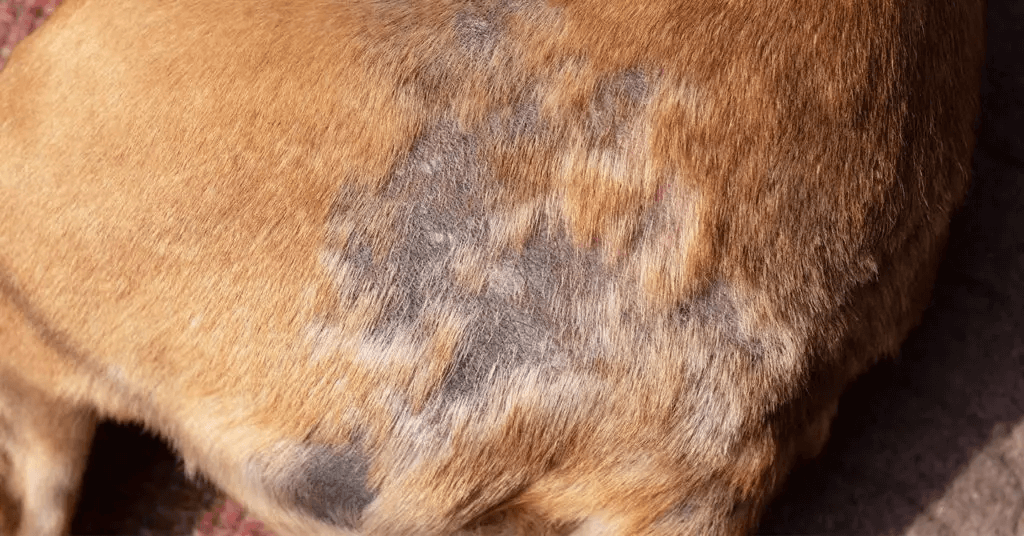
Mange is a skin condition caused by microscopic mites that burrow into your dog's skin. It causes intense itching, hair loss, and crusty dog skin conditions that can spread quickly. Treatment depends on the type of mite involved.
There are two main types:
Sarcoptic mange (scabies): Highly contagious and incredibly itchy. Mites tunnel into the skin, causing red bumps, crusting, and hair loss – often starting on the ears, elbows, and belly.
Demodectic mange: Caused by Demodex mites that naturally live on most dogs. It usually only becomes a problem when a dog's immune system is compromised. It's more common in puppies and often shows up as patchy hair loss on the face and legs.
What to do: See your vet promptly if you suspect mange. Skin scrapings can confirm the diagnosis. Treatment typically includes prescription medications like isoxazoline products (the same class used in some flea preventatives), medicated dips, or topical treatments.
Fleas and flea allergy dermatitis
Even a single flea bite can set off a massive reaction in dogs with flea allergy dermatitis. The allergic response isn't to the flea itself but to proteins in flea saliva. This makes fleas one of the most frustrating dog skin problems to deal with.
Signs include intense scratching (especially around the tail base and hindquarters), red bumps, hair loss, and hot spots. You might spot flea dirt, tiny black specks that turn reddish-brown when wet, even if you don't see actual fleas.
Fleas can also transmit tapeworms and other parasites, so staying on top of flea and tick prevention is essential.
What to do: Start or maintain year-round flea prevention. Your vet can recommend the best product for your pup. If your dog already has a flea infestation, you'll need to treat your home and yard too.
Ticks and tick-borne skin issues
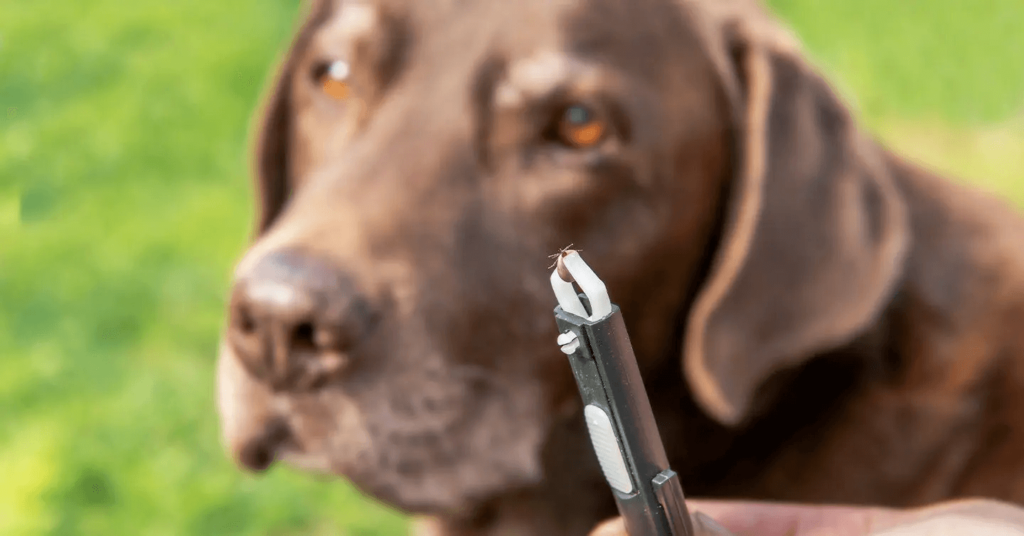
Ticks don’t just hitch a ride on your dog. Their bites can cause localized dog skin irritation, swelling, and redness. More seriously, ticks can transmit diseases like Lyme disease, ehrlichiosis, and Rocky Mountain spotted fever. Some of these infections cause skin-related symptoms.
After a tick bite, watch for a red, raised bump or a bull's-eye shaped rash at the bite site. Some tick-borne illnesses can cause widespread rashes, joint swelling, or lethargy days to weeks after the bite.
What to do: Remove ticks promptly with fine-tipped tweezers, grasping close to the skin. Save the tick in a sealed bag in case your vet wants to identify it. If you notice unusual skin changes or your dog seems unwell after a tick bite, contact your vet right away.
Ringworm
Despite the name, ringworm isn't caused by a worm at all. It's a fungal infection that creates circular patches of hair loss with crusty, flaky edges. Ringworm is contagious to other pets and to humans.
Lesions often appear on the head, ears, paws, and front legs. The affected areas may look red or scaly, and the hair around them tends to break off. Some dogs carry the fungus without showing obvious symptoms, which makes it easy to spread unknowingly.
What to do: Your vet can diagnose ringworm with a fungal culture or Wood's lamp exam. Treatment usually involves topical antifungal medication, medicated baths, and sometimes oral antifungal drugs. You'll also need to thoroughly clean your home to prevent reinfection.
Yeast infections on dog skin
Yeast infections on dog skin happens when naturally occurring Malassezia yeast overgrows. It thrives in warm, moist areas like the ears, between the toes, and in skin folds. Dogs with allergies or weakened immune systems are especially prone.
The classic signs are greasy, flaky skin with a distinct musty or "corn chip" smell. Your dog may also have darkened, thickened skin in affected areas. Paw yeast infections are particularly common and cause dogs to lick and chew their feet obsessively.
What to do: Your vet can confirm a yeast infection with a simple skin cytology test. Treatment often includes antifungal shampoos, topical treatments, or oral medications. Addressing the underlying cause is key to preventing recurrence.

Hot spots on dogs
Hot spots (acute moist dermatitis) are red, oozing, painful patches that seem to appear overnight. They happen when your dog's licking, scratching, or chewing breaks the skin and bacteria move in. Hot spots on dogs are most common in thick-coated breeds and during warm, humid weather.
These lesions spread fast. What starts as a small irritated area can become a large, raw, weeping sore within hours. The surrounding hair may mat down over the lesion, trapping moisture and making things worse.
What to do: See your vet quickly – hot spots are painful and can worsen rapidly. Treatment typically involves clipping the hair around the area, cleaning it, and applying topical or oral antibiotics. An Elizabethan collar (a.k.a. cone of shame) may be needed to stop your pup from making it worse.

Bacterial skin infections
Bacterial skin infections in dogs, including impetigo, folliculitis, and pyoderma, are among the most common canine skin infections. They often develop as secondary problems when another skin condition breaks down the skin's natural defenses.
Impetigo: Pus-filled blisters on the belly, common in puppies.
Folliculitis: Infected hair follicles that cause bumps, scabs, and sores.
Pyoderma: A broader term for any bacterial skin infection, often appearing as red bumps, pustules, or crusty patches.
These infections can look alarming, but they're usually very treatable.
What to do: Your vet will likely prescribe topical or oral antibiotics. For recurring infections, they may look for an underlying cause like allergies, hormonal imbalances, or immune issues. Medicated shampoos can help manage mild cases.
Seborrhea
Seborrhea causes flaky dog skin that can be either dry and dandruff-like (seborrhea sicca) or oily and greasy (seborrhea oleosa). Some dogs have a combination of both. It's more common in Cocker Spaniels, Basset Hounds, and West Highland White Terriers.
Primary seborrhea is a genetic condition that can't be cured but can be managed. Secondary seborrhea is more common and develops because of another issue like allergies, hormonal disorders, or infections.
What to do: Medicated shampoos are the first line of defense. Your vet will also want to identify and treat any underlying causes. Regular bathing with the right products can keep symptoms under control.
Alopecia in dogs
Alopecia – or hair loss – isn't a disease itself but a symptom of many different dog skin conditions. It can range from small bald patches to widespread thinning.
Common causes include allergies, mange, infections, hormonal imbalances (like hypothyroidism or Cushing's disease), and stress. The pattern of hair loss often gives your vet clues about the underlying cause. Symmetrical hair loss, for example, tends to point toward a hormonal issue.
What to do: Don't assume hair loss is just cosmetic. It usually signals an underlying problem that needs attention. Your vet can run blood work and skin tests to pinpoint the cause and recommend targeted treatment.
Skin tumors and cancer
Not all lumps and bumps on your dog's skin are cause for alarm, but some can be serious. Skin tumors are among the most common tumors in dogs. They range from benign growths like lipomas (fatty lumps) and histiocytomas to malignant cancers like mast cell tumors and melanoma.
Warning signs include lumps that grow rapidly, change shape or color, bleed, or ulcerate. Older dogs and certain breeds are more prone to skin cancer.
What to do: Have any new or changing lump checked by your vet. A fine-needle aspirate or biopsy can determine whether the growth is benign or malignant. Early detection makes a real difference in treatment outcomes.
Autoimmune skin disorders
Autoimmune skin conditions are less common but can be serious. They occur when your dog's immune system mistakenly attacks healthy skin cells. Pemphigus and lupus are the most frequently seen types.
Symptoms may include blisters, ulcers, crusting (especially on the nose, ears, and paw pads), and hair loss. These conditions can mimic other dog skin problems, which makes them tricky to diagnose.
What to do: If your vet suspects an autoimmune condition, they'll likely recommend a skin biopsy for confirmation. Treatment usually involves immunosuppressive medications, which require regular monitoring.
Signs your dog has a skin problem
Keep an eye out for these common symptoms of dog skin conditions:
Excessive scratching, licking, or chewing
Red, inflamed, or irritated skin
Hair loss or bald patches
Flaky, scaly, or crusty skin
Bumps, lumps, or raised lesions
Hot spots or oozing sores
Darkened or thickened skin
Unpleasant odor from the skin or ears
Scabs or wounds that won't heal
Changes in coat texture or shine
If you notice any combination of these, it's worth scheduling a vet appointment sooner rather than later. Many dog skin problems get worse without treatment.

How vets diagnose dog skin conditions
Pinpointing the exact cause of a dog skin problem can take some detective work. Your vet may use one or more of these tools:
Physical exam: A thorough look at the skin, coat, ears, and paws.
Skin scraping: A blade gently scrapes the skin's surface to check for mites under a microscope.
Cytology: A tape impression or swab of the skin to identify bacteria or yeast.
Fungal culture: A sample of hair or skin is grown in the lab to test for ringworm.
Allergy testing: Blood tests or intradermal skin testing to identify specific allergens.
Biopsy: A small piece of skin is removed and examined under a microscope – usually reserved for unusual or persistent conditions.
Blood work: To check for hormonal imbalances, immune issues, or systemic disease.
The diagnostic process can take time, especially with allergies. Be patient and stay in close communication with your vet.
Treatment options for dog skin problems
Treatment depends on the specific condition, but here are the most common approaches:
Medications: Antibiotics for bacterial infections, antifungals for yeast or ringworm, antiparasitics for mange or fleas, and anti-itch medications like Apoquel or Cytopoint for allergies.
Medicated shampoos and topicals: Prescription shampoos with ingredients like chlorhexidine, ketoconazole, or benzoyl peroxide can help manage infections, seborrhea, and dog skin irritation.
Diet and nutrition: What to feed dogs with itchy skin matters more than you might think. Omega-3 fatty acids (from fish oil) support skin barrier health. If food allergies are suspected, your vet may recommend a limited-ingredient or hydrolyzed protein diet. Foods rich in zinc, vitamin E, and essential fatty acids can also promote healthier skin.
Home care: Some parents find that coconut oil for dog skin problems can help soothe dry, flaky patches. It's generally safe as a topical moisturizer in small amounts, but it won't treat underlying infections or allergies. Always check with your vet before trying home remedies.
Environmental management: For dogs with environmental allergies, wiping paws after walks, washing bedding frequently, and using air purifiers can reduce exposure to allergens.
Many skin conditions require more than a single vet visit. Diagnostic testing, prescription medications, allergy management, and follow-up care can add up over time. A Pumpkin Dog Insurance plan could help cover eligible vet bills for accidents and illnesses, so you can focus on helping your pup feel better.
How to help prevent dog skin problems
You can't prevent every skin issue, but these habits go a long way:
Stay on top of flea and tick prevention. Year-round parasite control is one of the most effective ways to prevent flea and tick skin problems.
Feed a high-quality diet. A balanced, nutrient-rich diet supports skin health from the inside out. Look for foods with omega-3 fatty acids and avoid fillers that may trigger sensitivities.
Groom regularly. Brushing removes dead skin, distributes natural oils, and helps you spot early changes. Bathe your dog as needed, but not too often, since over-bathing can strip the skin's natural moisture barrier.
Keep skin folds clean and dry. For breeds with wrinkles or skin folds, regular cleaning prevents yeast and bacterial buildup.
Manage allergies proactively. If your dog has known allergies, work with your vet to keep them under control before they lead to secondary skin infections.
Check your dog's skin regularly. Part the fur and look for redness, bumps, flakiness, or unusual spots, especially after time outdoors.
When skin problems become more than skin deep
Dog skin problems don't always stay skin-deep. Chronic itching and scratching can lead to secondary bacterial infections, which require additional rounds of treatment. Dogs with persistent skin conditions may also show behavioral changes, such as increased anxiety, disrupted sleep, or reduced appetite.
Ear infections are closely linked to skin allergies. If your dog deals with recurring itchy skin, ask your vet to check their ears too. Many dogs with atopic dermatitis also develop chronic ear infections that need separate treatment.
What to Do About Dog Skin Problems
If you’ve lived with your dog long enough, you’ve probably learned to tune out some of their quirks. The random barking at nothing. The dramatic sighs. The way they insist on spinning in circles before lying down.
But when a dog who normally scratches once in a while suddenly can’t seem to stop, it’s worth paying attention.
Many dog skin problems look alike on the surface. Allergies, infections, parasites, and other conditions can cause similar symptoms, which is why your veterinarian is the best person to determine what’s really going on and recommend the right treatment.
At the end of the day, nobody knows your dog better than you do. When something feels off, trust that instinct. The sooner you get answers, the sooner your best friend can get back to feeling comfortable, happy, and fully themselves again.
FAQ about common skin problems in dogs
What does a skin infection look like on a dog?
A canine skin infection usually shows up as red, inflamed skin with bumps, pus-filled blisters, scabs, or oozing sores. You may notice hair loss around the affected area and your dog scratching or licking at it. The skin might feel warm to the touch or have an unpleasant smell.
How can I treat my dog's skin problems at home?
Mild skin irritation can sometimes be managed at home with gentle oatmeal baths, coconut oil for dry patches, or over-the-counter antihistamines (with vet guidance). However, most dog skin problems need a proper vet diagnosis for effective treatment. Home remedies alone usually aren't enough for infections, mange, or allergies.
When should I take my dog to the vet for a skin problem?
See your vet if your dog's skin issues last more than a day or two, are getting worse, involve open sores or bleeding, or come with other symptoms like lethargy or loss of appetite. Any rapidly growing lump, sudden widespread hair loss, or intense scratching warrants a prompt vet visit.
Are dog skin problems contagious to humans?
Some are. Ringworm, sarcoptic mange (scabies), and certain bacterial infections can spread to humans. If your dog is diagnosed with a contagious skin condition, follow your vet's instructions carefully and practice good hygiene – including frequent handwashing and avoiding direct contact with affected areas.