Key points:
Basset Hounds are scent hounds originally bred in France to track small game, and their sense of smell is second only to the Bloodhound's.
Despite their low, compact build, Basset Hounds are medium-to-large dogs that can weigh up to 65 pounds, so don't let the short legs fool you.
Basset Hounds are gentle, easygoing companions with a lifespan of 12–13 years, but they are prone to certain health conditions that prospective pet parents should know about.
There's a moment every Basset Hound owner knows well. You open the back door, your dog wanders outside, and somewhere between the patio and the fence, their nose hits the ground and they're gone. Not physically gone, but mentally gone. The leash goes taut. Your calls go ignored. There is a smell, and that smell requires full attention.
Basset Hounds are one of the most recognizable — and most misunderstood — breeds around. That droopy face and slow walk can make them look lazy. But these dogs were built for a job: following a scent trail through thick brush with a focus that could outlast any hunting party on foot. They were bred to keep going.
That determination, combined with their gentle nature and easy-going personality at home, has made the Basset Hound a favorite for families and first-time dog owners alike. Whether you already share your couch with one, or you're thinking about it, here are 13 Basset Hound facts worth knowing.
1. Their name literally means "rather low"

The word "Basset" comes from the French word bas, meaning "low," with the suffix -et that translates to "rather low." It's an apt description of a dog that stands only 14 inches tall. The breed traces its roots to 6th-century France, where monks at the Abbey of St. Hubert developed low-slung scent hounds for tracking game through thick undergrowth. The Basset Hound was bred to follow a trail at a pace that hunting parties on foot could match — no horses required.
2. Basset Hounds are surprisingly heavy
Don't be deceived by their short stature. Though Basset Hounds stand no taller than 14 inches at the shoulder, they are solidly built medium-to-large dogs that typically weigh between 40 and 65 pounds. In fact, Basset Hounds have more bone mass per pound than virtually any other dog breed, which is why most people find a full-grown Basset much harder to lift than they expected, especially when paired with their stubborn nature.
3. Their sense of smell is second only to the Bloodhound's
With roughly 220 million scent receptors Basset Hounds are among the most powerful scent hounds in the world. For comparison, humans only have 5 million. The part of their brain dedicated to analyzing odors is approximately 40 times larger than a human's, proportionally speaking. Once a Basset locks onto a scent trail, they can follow it for impressive distances with single-minded focus. It's one of the reasons recall training is so important for this breed.
4. Every part of their body helps them smell
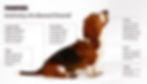
The Basset Hound is basically a walking, drooling, sniffing machine. Every single part of their anatomy was built with one goal in mind: to smell ALL the things. Those iconic floppy ears are not just adorable; they help pick up scents. As your Basset shuffles along the ground, those long, velvety ears drag and sweep scent particles directly upward toward the nose. Then there is the wrinkly, loose skin around their face and neck, officially known as the ‘dewlap’. That excess skin acts like a scent trap, locking in odor molecules so the nose can fully process them. And those short little legs? Absolutely intentional. Being low to the ground means their nose stays right in the zone where scent trails are the strongest. They are basically built to hug the earth. The Basset Hound is one of nature's most sophisticated scent detectives.
5. Their ears can be longer than their legs
The Basset Hound holds a notable place in dog anatomy: their ears are among the longest of any breed, often long enough to drag on the ground when they lower their head to sniff. Shakespeare even wrote about them in A Midsummer Night’s Dream — describing ears that "sweep away the morning dew." While poetic, it's also a reminder that those ears need weekly cleaning to prevent moisture buildup and infections, which Bassets are prone to.
6. Basset Hound lifespan is 12 to 13 years
A healthy Basset Hound typically lives between 12 and 13 years, with some individuals reaching well beyond that. Factors like diet, weight management, regular veterinary checkups, and appropriate exercise all play a role in longevity. Because of their long, heavy body and short legs, it's especially important to keep Bassets at a healthy weight, as excess pounds put significant strain on their spine and joints. Check out this dog age chart to better understand where your Basset Hound is in their life stages.
7. They're medium-to-large dogs in a compact package
The Basset Hound's short stature is caused by a genetic condition called osteochondrodysplasia. The same condition is responsible for short limbs in Dachshunds and Corgis. This means they're technically an achondroplastic breed, or a medium-large dog with short legs, not a small dog. Their long backs and heavy bones make them more similar in care needs to larger breeds, particularly when it comes to feeding guidelines, joint health, and avoiding high-impact activities like jumping.
8. Basset Hound temperament is gentle and sociable
Basset Hounds were originally bred to hunt in packs, which makes them naturally social animals. They are gentle, patient, and love being around people. They tend to get along well with children, other dogs, and even cats. Their temperament is typically calm, affectionate, and patient, though they're not without a stubborn streak. When a Basset has their nose on a scent, the rest of the world fades away, which can make them seem selectively deaf. Positive reinforcement training, starting early, works best with this breed.
9. Basset Hound intelligence is often misunderstood
Basset Hounds are sometimes (unfairly) labeled as aloof or dim because they don't respond to commands the way a Labrador or Golden Retriever might. In reality, they were bred to make independent decisions in the field and track game without waiting for instruction. That independence can look like stubbornness in a training class, but it's really a sign of a dog that knows their own mind. Treat-based training with consistency and patience brings out the best in them.
10. They shed more than you'd expect
They have a short, smooth coat, which can be deceiving because they shed consistently, year-round. Weekly brushing with a rubber grooming mitt or bristle brush goes a long way toward managing loose fur. Their coats are low-maintenance in terms of professional grooming, since no trims are needed, but their ears, facial folds, and wrinkled neck skin require regular cleaning. If you're specifically looking for a lower-shedding option, check out Pumpkin's guide to dog breeds that don't shed much.
11. Basset Hound puppies are slow to mature
Because of their dense, heavy bone structure, Basset Hound puppies grow more slowly than many other breeds, often not reaching their full size until two years of age. During this time, it's important to feed them a large-breed puppy food that supports healthy, steady growth, as rapid growth has been linked to higher risks of hip and joint problems. Avoid allowing puppies to jump on and off furniture or out of vehicles, as their developing joints are especially vulnerable.
12. The average Basset Hound price ranges from $850 to $2,500
The cost of a Basset Hound puppy from a reputable breeder typically falls between $1400 and $2,500, depending on bloodline, location, and breeder reputation. Adoption is always another option. Basset Hound rescues exist throughout the country, and adoption fees are generally a few hundred dollars. This breed is prone to conditions like glaucoma, hip dysplasia, ear infections, and bloat (gastric dilatation-volvulus), all of which can come with significant veterinary costs. See what the future may hold for your Basset Hound’s health costs using Pumpkin's free Pet Health Predictor tool.
13. Basset Hounds have a famous pop culture footprint
Few dog breeds have had as much screen time as the Basset Hound. They inspired Droopy, the slow-talking cartoon character created by Tex Avery. The breed also became the face of the Hush Puppies shoe brand in 1958, an association so strong that the shoes are still sold today. And in 1928, Time magazine put a Basset Hound on its cover to promote the Westminster Kennel Club Dog Show, launching a new wave of breed popularity in the United States. If you love reading up on charming breeds with big personalities, you might also enjoy these facts about French Bulldogs or Great Danes.
Should you adopt a Basset Hound?
If you're looking for a dog who is affectionate, easygoing, and endlessly entertaining — without demanding hours of daily exercise — a Basset Hound might be the right match. They thrive in homes where someone is around much of the day, since they were bred for companionship as much as for hunting. They're patient with children, social with other pets, and capable of deep, unwavering loyalty to their people.
That said, Basset Hounds aren't entirely low-maintenance. Their ears, skin folds, and weight require consistent attention. Their stubborn streak means training takes patience. And their powerful nose means a securely fenced yard and a reliable leash aren't optional; they're essential.
Prospective Basset parents should also consider their health profile. Between their susceptibility to joint issues, ear infections, glaucoma, and bloat, veterinary costs can add up quickly over a 12-to-13-year lifespan. A Pumpkin Dog Insurance plan can help cover up to 90% of eligible vet bills for accidents and illnesses, so you can focus on giving your Basset the long, comfortable life they deserve. Find the right Pumpkin plan for your dog.
FAQ
Can Basset Hounds swim?
While they’re bred to be hunting dogs, it’s best if their quarry does not cross a body of water. Those low-slung, incredibly dense bodies are difficult to keep afloat, especially when short, stubby legs are attempting the doggy paddle. If you want to cool off your Basset, stick to a splash pad or extremely shallow kiddie pool.
Do Basset Hounds smell a lot?
Every dog breed has a bit of doggy odor, but Basset Hounds' unique skin folds and droopy ears are prone to trapping moisture and debris that can create an unpleasant aroma. Regular cleaning and drying can help keep your Basset smelling and feeling great.
Do Basset Hounds shed a lot?
Basset Hounds shed moderately throughout the year. Their short coat doesn't require professional grooming, but weekly brushing helps manage shedding and keeps their skin healthy. If Basset Hound shedding is a significant concern for your household, you may want to explore hypoallergenic dog breeds as an alternative.