Updated: May 7
The Amazing Australian Shepherd: A Comprehensive Guide
Understanding the Australian Shepherd
Australian Shepherds are incredible companions. They are not just dogs; they are family members. As a group of passionate pet parents, we understand the love and commitment that comes with owning an Australian Shepherd. This guide will cover everything you need to know about this remarkable breed.
Key Points About Australian Shepherds
Origin: Despite their name, Australian Shepherds were developed in the American West, not Australia. Their name comes from the Basque shepherds who worked with them.
Size: These medium-sized dogs weigh between 40–65 pounds and stand 18–23 inches tall.
Lifespan: They typically live for 12–15 years.
Intelligence: Ranked among the most intelligent dog breeds, they are highly trainable but require plenty of exercise and mental stimulation.
Health Sensitivity: Approximately 50% of Australian Shepherds carry the MDR1 gene mutation, making them sensitive to certain medications.
If you've ever seen an Australian Shepherd in action, you know how captivating they are. They dart, weave, and herd with precision. This breed's roots are deeply embedded in ranching culture. Until recently, they were relatively unknown outside of ranching communities. Today, they are one of the most popular breeds in the United States. Their striking beauty, intelligence, and loyalty make them hard to resist.
Whether you're an Aussie owner, considering one, or just curious after seeing one at the park, you're in the right place. Here are 12 fascinating facts about Australian Shepherds that cover everything from their American origins to the care they need.
1. They're Not From Australia
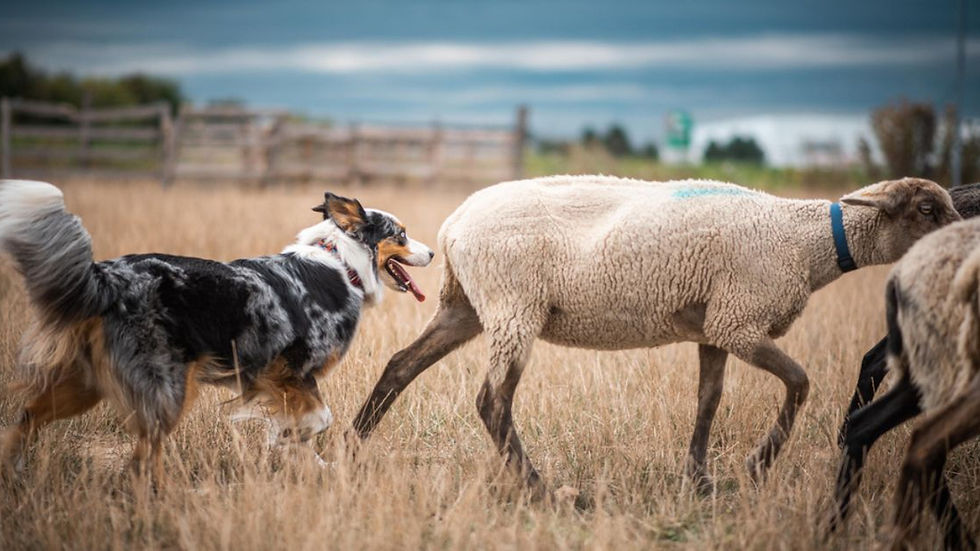
The name is misleading. Australian Shepherds were developed in California in the 19th century. They were primarily bred as sheep-herding dogs for ranchers. Their ancestors were herding dogs brought by Basque shepherds who had passed through Australia before arriving in the U.S. The breed became associated with their Australian handlers, and the name stuck. Ultimately, the Australian Shepherd is a true American creation.
2. They Didn't Go Mainstream Until the ‘80s-‘90s
For much of their history, Australian Shepherds were working dogs known mainly to ranchers and farmers. This changed after World War II when Western movies and rodeos brought them into the spotlight. Rodeo performer Jay Sisler showcased his trained Aussies, performing tricks that amazed crowds. This exposure helped make the breed a household name.
The American Kennel Club recognized the breed in 1991. By 2024, the Aussie had climbed to the 12th most popular dog breed in the United States.
3. Medium-Sized and Built to Work
Australian Shepherds are medium-sized dogs with a lean, muscular build. Males typically stand 20–23 inches tall and weigh 50–65 lbs, while females are slightly smaller at 18–21 inches and 40–55 lbs. Their agile frame is designed for quick movements and endurance, essential for working on a ranch.
4. Lifespan of 12–15 Years
The average lifespan of an Australian Shepherd is 12–15 years. This is a solid lifespan for a medium-sized breed. Some Aussies live even longer with good genetics, a healthy diet, regular veterinary care, and plenty of exercise. Notably, an Australian Shepherd named Pockets holds the record as the oldest dog to earn a title in AKC history, achieving the Rally Novice title at 15 years old. For perspective, a dog age chart can help you understand how your dog ages compared to humans.
5. High Energy and Loyalty
Aussies are known for their high energy and loyalty. The AKC describes them as intelligent, active, protective, playful, and adaptive. They are affectionate with their families but may be reserved with strangers initially. Their herding instinct is strong, so don’t be surprised if your Aussie tries to herd children, pets, or even guests.
They thrive in active households that can meet their high physical exercise and mental stimulation needs. An under-stimulated Aussie will find creative and often destructive ways to entertain themselves.
6. One of the Smartest Breeds
Australian Shepherds consistently rank among the smartest dog breeds globally. They learn quickly and are eager to please. They excel in competitive dog sports like herding, agility, obedience, nose work, tracking, and flyball. Their intelligence is a double-edged sword; a bored Aussie can become a troublemaker.
Beyond sports, Aussies serve as search-and-rescue dogs, therapy dogs, service animals, and police detection dogs. Like German Shepherds, they need a job to keep them happy.
7. Unique Eye Colors
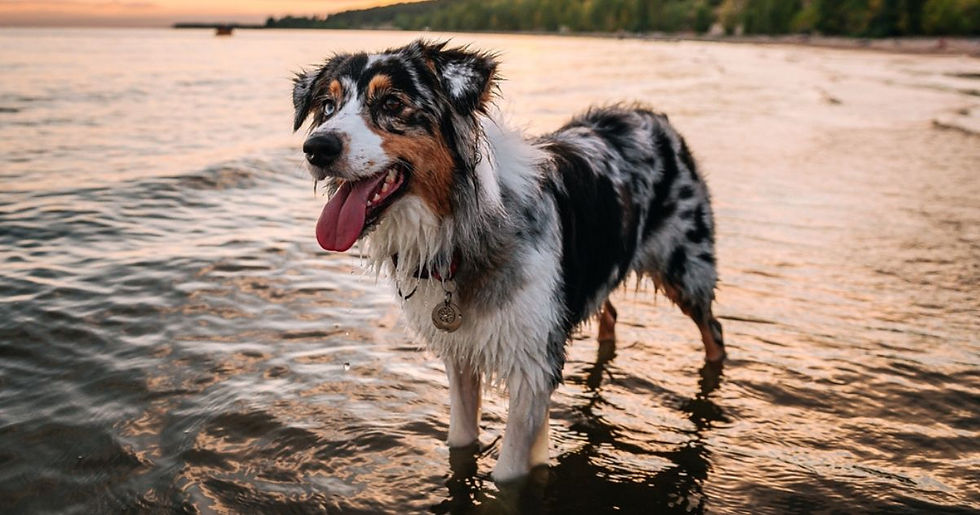
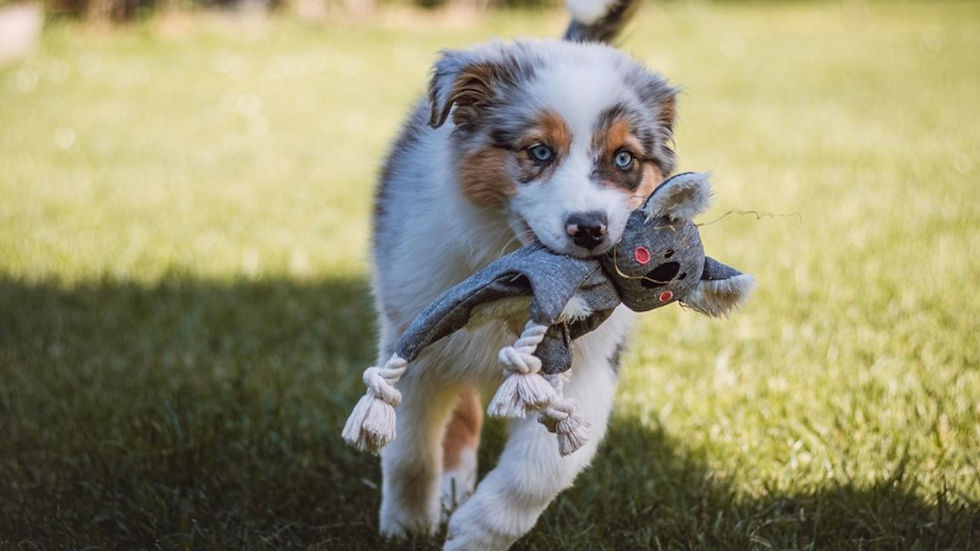
One of the most striking features of the Australian Shepherd is their eyes. They can be brown, blue, amber, or any combination of these colors. Some Aussies have two different colored eyes (a trait called heterochromia), while others have marbled or speckled irises.
No two Aussies look alike, and their unique eyes add to their charm. The breed standard allows for this variety, making them visually captivating.
8. Natural Bobtails
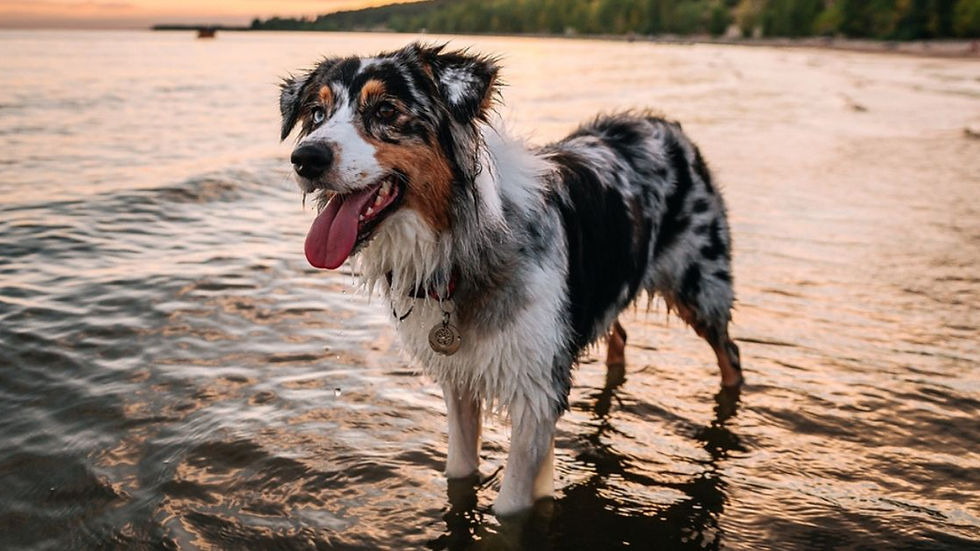
About 20% of Australian Shepherds are born with a naturally bobbed tail. Historically, breeders docked the tails of puppies born with full-length tails to maintain a consistent look. Today, tail docking is controversial, with many countries banning the practice. The American Veterinary Medical Association opposes docking for cosmetic reasons. Whether your Aussie has a natural bob, a docked tail, or a full fluffy tail, all are authentic Aussie looks.
9. Grooming Needs
Australian Shepherds have a medium-length double coat that is water-resistant. They come in four AKC-recognized color patterns: black, blue merle, red, and red merle, often with white and/or tan markings. While their coat is beautiful, it requires regular upkeep. Plan to brush at least once a week, more during shedding season in spring and fall when they shed their undercoat.
One important rule: never shave an Aussie's double coat. It insulates them in both heat and cold. Shaving can make them uncomfortable and damage coat regrowth. Regular bathing, nail trimming, and ear cleaning are essential parts of the grooming routine.
10. Shedding is Real
Australian Shepherds shed year-round. They shed moderately most of the time and heavily twice a year. If you have allergies or prefer a fur-free home, an Aussie may not be the best fit. They are not hypoallergenic.
However, with regular brushing and a good vacuum, the shedding is manageable. Here’s a helpful roundup of dog breeds that don't shed much and a guide to hypoallergenic dogs if you're still exploring options.
11. MDR1 Gene Mutation
One crucial fact for Australian Shepherd owners is the MDR1 gene mutation. About 50% of Aussies carry this mutation of the MDR1 (Multi-Drug Resistance 1) gene. Dogs with this mutation are sensitive to certain medications, including some antiparasitic drugs, sedatives, and antidiarrheal medications. They can experience serious neurological reactions if given these drugs at standard doses.
The mutation is common in herding breeds, and a DNA test can determine if your dog carries it. Always inform your veterinarian of your Aussie’s MDR1 status before any treatment.
12. Puppy Prices Vary
The average cost of an Australian Shepherd puppy from a reputable breeder ranges from $1,500 to $2,500. Prices depend on lineage, location, and the breeder's reputation. Reputable breeders typically include early health screenings, vaccinations, and genetic testing.
If you're considering adoption, the Australian Shepherd Club of America is a great resource for finding an Aussie in need of a home, often at a fraction of the cost. Given the breed's popularity, Aussies and Aussie mixes are frequently available at local shelters.
Should I Adopt an Australian Shepherd?
Australian Shepherds are remarkable dogs. They are loyal, intelligent, athletic, and genuinely beautiful. They form deep bonds with their families and will work tirelessly alongside you if you provide the necessary outlets. However, they are not a casual commitment. An under-stimulated Aussie will become frustrated and may redecorate your home in ways you won’t appreciate.
If you lead an active lifestyle, have the time and energy to train and engage with your dog daily, and have space to run, an Australian Shepherd can be an exceptional companion. They tend to do well with families, including children, when properly socialized from puppyhood. Just be prepared to teach them that toddlers aren't sheep.
Before bringing any new dog home, make sure you've thought through the full picture: training, grooming, veterinary care, and the unexpected costs that come with any pet. Pumpkin Dog Insurance can be a smart way to protect against surprise vet bills, especially with a breed that has known genetic health considerations like the MDR1 mutation and hereditary eye conditions.
Frequently Asked Questions
Are Australian Shepherds good for first-time dog owners?
Generally, no, at least not without serious preparation. Aussies are loving and loyal, but their high energy, intense need for mental stimulation, and strong herding instincts make them a challenging first dog. They thrive with experienced owners who can provide consistent training, firm boundaries, and plenty of daily activity.
Do Australian Shepherds bark a lot?
They can. Aussies are alert, watchful dogs that were bred to communicate with their handlers, so barking comes naturally to them. They'll bark to alert you to strangers, out of excitement, or when they're bored and under-stimulated. With proper training and enough exercise, excessive barking is manageable.
Can Australian Shepherds live in apartments?
It's possible, but it's not an ideal setup for the breed. Australian Shepherds are high-energy working dogs that need significant daily exercise and space to move. If you live in an apartment but have reliable access to outdoor space — a dog park, trails, or a yard nearby — and can commit to multiple vigorous outings per day, it can work.
What are the most common health problems in Australian Shepherds?
Australian Shepherds are generally a healthy breed, but they do have some known predispositions. Hip dysplasia and elbow dysplasia are among the most common orthopedic concerns. They're also prone to certain hereditary eye conditions, including cataracts, collie eye anomaly, and progressive retinal atrophy. Epilepsy has also been reported in the breed.
And as noted above, the MDR1 gene mutation affects roughly half of all Aussies and requires careful management around certain medications. Buying from a reputable breeder who health-tests their breeding dogs reduces the risk of many of these conditions.