Key points
Chewing is a normal instinct, so you can’t stop a dog from chewing entirely, but you can redirect it toward safe chew toys.
Most destructive chewing comes from exploration, boredom, stress, or separation anxiety, but sudden new chewing can point to pain or illness.
Never punish chewing after the fact, and keep swallowable items out of reach, since a chewed-up sock can mean an emergency vet visit.
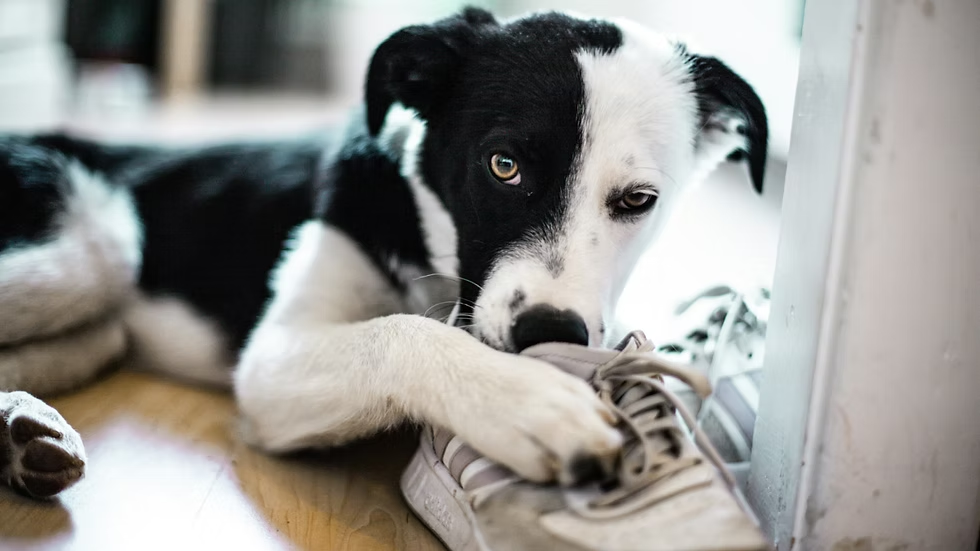
Every dog parent has been through it: a gutted throw pillow, a shredded towel, a shoe missing its tongue, and one pleased pup wagging in the middle of the wreckage. (I’ve personally been through door and window frames gnawed to splinters by a Great Dane who didn’t get his storm fear medications in time. We never left him home alone again when a thunderstorm was in the forecast!)
While you may think your dog is chewing up your prized possessions out of spite, dogs don’t chew on things to get revenge. Chewing is how they explore, burn off energy, and cope with stress. The trouble starts when that instinct involves furniture, baseboards, or their own paws.
Learning how to stop a dog from chewing everything is less about ending the behavior and more about guiding it toward an appropriate outlet. Here’s why dogs chew, which solutions and chew toys actually work, and when chewing is a reason to call your vet.
Why do dogs chew?
Destructive chewing in dogs grows out of natural habits, as chewing eases teething pain, keeps jaws strong and teeth clean, and relieves boredom and mild anxiety. VCA Animal Hospitals stresses identifying why a dog chews before choosing the most effective solution. Common motivations include:
Teething
Boredom or lack of exercise
Stress, fear, or separation anxiety
A learned habit (like being given old shoes as toys)
Pain or another medical issue
To tell boredom from separation anxiety, notice when the chewing happens. Bored dogs chew even when you’re home and improve with more exercise and enrichment. Dogs with separation anxiety chew mostly when alone, often targeting crates or doors, and may whine, pace, or have accidents. If that sounds familiar, talk to your vet about dog anxiety.
If your pup looks guilty when you discover a shredded cushion upon returning home, keep in mind that it’s a submissive response to your tone and body language, not remorse. Instead of scolding your dog for tearing apart your belongings, calmly remove the evidence and set them up for success in the future.

How to stop your dog from chewing: step-by-step
Although completely stopping a natural behavior like chewing isn’t possible, you can certainly minimize destructive gnawing and guide the behavior toward an appropriate outlet. Refrain from punishing your dog – especially after they’ve already chewed something – and instead follow these steps to stop your dog from chewing on things.
1. Dog-proof your home
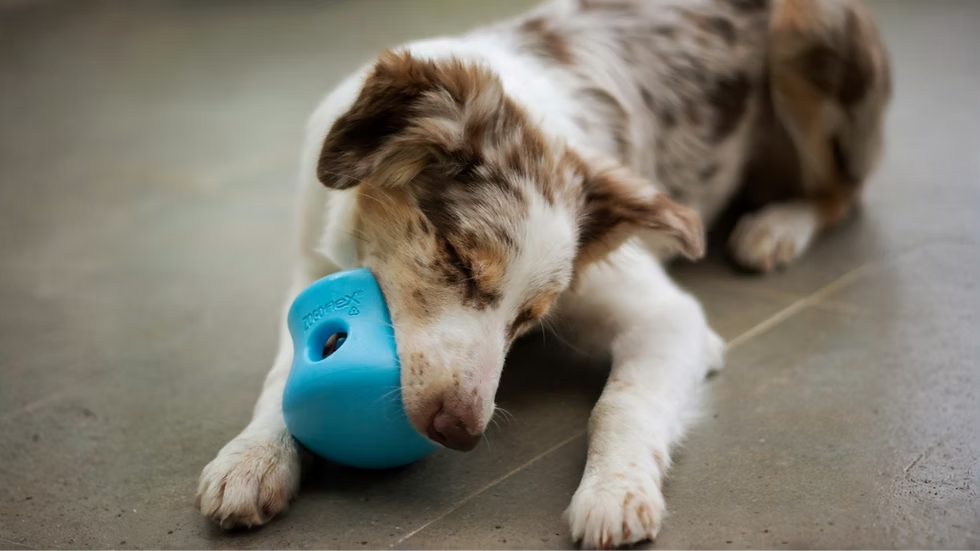
Keep shoes in a closet, laundry in a hamper, and cords and remotes out of reach. Don’t offer old shoes as toys, because your dog can’t tell their sneaker from yours. Instead, give them a few chew toys with different textures and rotate them every couple of days so nothing gets stale.
2. Apply a deterrent
You can also try to stop your dog from chewing with a spray. Bitter apple–style sprays can help if you reapply daily for two to four weeks. Some dogs ignore the taste, though, and deterrents alone won’t solve chewing – dogs also need to learn what they can chew.
3. Trade, don’t grab
If you catch your dog chewing something off-limits, calmly offer a chew toy or treat in exchange and praise them when they take it. Be sure to offer a trade instead of pulling items away, since grabbing can lead to resource guarding, or it may seem like a game of keep away.
4. Add exercise and enrichment
A tired dog is far less likely to redecorate. Aim for daily walks, sniff time, and plenty of play. You can also turn mealtime into a brain game with dog puzzle toys. If you’ll be gone for a while, a good play session before you leave makes a big difference.
5. Use a safe space when you can’t supervise
A sturdy crate or gated, dog-proofed room with water and approved toys and chews prevents mistakes while you’re away.
Best chew toys and deterrents for destructive chewers
Pick toys too big to swallow, supervise with anything new, and toss toys once they begin breaking down. Consider looking for the VOHC (Veterinary Oral Health Council) seal on dental chews, which means the product has met specific standards for reducing plaque or tartar, which offers an added dental benefit to chewing.
Here’s how common options compare:
Chew type | Best for | Safety notes |
Durable rubber toys (e.g., KONG Classic) | Power chewers; stuffing with food for alone time | Choose the right size; replace if chunks break off |
Puzzle and treat-dispensing toys | Bored or high-energy dogs | Supervise at first; wash regularly |
Freezable teething toys | Teething puppies | Cold soothes gums; toss once damaged |
Everyday chewers; dental support | Size to your dog; count the calories | |
Bully sticks and other edible chews | Moderate chewers | Choking risk if large pieces are gulped; take away small ends |
Rope toys | Tug games and frustration chewers | Swallowed fibers can cause blockages; supervision is a must |
Antlers, hooves, nylon bones, and real bones | Not recommended | Can fracture teeth; cooked bones can splinter |
VCA warns that very hard chews can fracture teeth. Follow this rule of thumb: if you can’t dent it with your fingernail, it’s too hard. Power chewers can try these indestructible dog toys.
How to stop a dog from chewing furniture, wood, and paws
Some favorite “chew toys” for dogs are furniture, wood, and paws, but it’s best to switch their attention to something else. Here’s how:
Furniture and baseboards: Adult dogs who chew furniture are often bored or anxious. Block access, apply a deterrent, exercise a lot, and keep an intriguing chew toy right by the problem spot.
Wood and sticks: Wood splinters and can injure your dog’s mouth or GI tract, so swap sticks for a fetch toy on walks. Pumpkin claims data shows stick-related vet visits average $1,100 for dogs. If your dog regularly eats wood or rocks, ask your vet about pica in dogs.
Paws: Constant paw chewing usually signals itchiness from allergies, injuries, or yeast infections in dog paws. See your vet if you notice redness, odor, swelling, or limping.
Chewing by life stage: puppy, adult, and senior dogs
Each canine life stage can chalk up their chewing habits to different needs or triggers.
Puppies (three to six months): Teething drives most chewing, but fortunately the intense phase usually ends by six months. Frozen rubber toys can soothe sore gums, and the puppy teething guide has more tips.
Adult dogs: Once adult teeth are in, chewing usually comes down to boredom, excess energy, stress, or a habit that was never redirected. Consistent management, exercise, and training are your best tools at this stage.
Senior dogs: New chewing in an older dog deserves attention. The Merck Veterinary Manual recommends ruling out medical causes of behavior problems like dental pain or cognitive decline first. For restless seniors, ask your vet whether melatonin for dogs might help.
When chewing is a medical red flag (and the cost of ignoring it)
Most chewing is normal and manageable. Success comes down to redirecting your dog to safe alternatives, keeping up with exercise, staying consistent, and never punishing after the fact.
Persistent or sudden chewing, though, deserves a vet's input. That's especially true if your dog starts eating non-food items or you notice drooling, pawing at the mouth, a cracked tooth, constant paw licking, or panicked destruction only when left alone.
Seek care right away if you think your dog swallowed something and they're vomiting, retching, bloated, lethargic, or not eating. Waiting can turn a fixable problem into an expensive one. Pumpkin's claims data on foreign body ingestion found average treatment costs of $2,500 for swallowed toys, $3,500 for socks, and $4,400+ for rocks.
Your best defense is setting your dog up for success with a dog-proofed home, the right chew toys, and plenty of enrichment. Even so, no home can prevent every mishap. Explore more dog behavior and training tips to keep your pup's chewing on track.
FAQ
Can you train a dog to stop chewing?
Yes. Consistent redirection, supervision, exercise, and positive reinforcement reliably reduce destructive chewing over time.
What repels dogs from chewing?
Bitter taste deterrent sprays can discourage chewing when reapplied regularly and paired with appealing chew toys.
Do dogs eventually stop chewing?
Puppies chew less once teething ends around six months, but adult dogs still need safe chew outlets throughout their lives.
How do I stop my dog from chewing everything when left alone?
Exercise your dog before you leave, offer long-lasting stuffed toys, and use a safe room. If chewing continues, ask your vet to rule out separation anxiety.