Key Points
Puppies need more calories, more often, because they grow fast and burn energy quickly.
How much to feed your puppy depends on their age, breed size, weight, and activity level.
Meal frequency decreases as puppies mature, but tiny young puppies need frequent meals to prevent hypoglycemia.
The proper diet now supports lifelong health, strong bones, and healthy digestion.
Puppies seem to run on pure joy, zoomies, and endless love, but behind all that cuteness is a body growing at an incredible pace. From sturdy bones to razor-sharp teeth and rapidly developing organs, everything is changing at once. That means your new best friend needs the proper nutrition, in the right portions, at the correct times.
If you’ve ever found yourself staring at a bag of kibble thinking, “How much food does a puppy actually need?” you’re not alone. Puppy parents ask this every day, and the answer changes as your puppy grows. This guide breaks down feeding amounts for certain breeds, calorie needs for age categories, and real examples so you know exactly how to fuel your pup for healthy growth.
Feed your puppy the right amount
Ensuring your puppy gets the right amount of food can be a delicate balancing act. Underfeeding can slow growth, weaken the immune system, and lead to lifelong health issues affecting bones, joints, and other body systems. Overfeeding can set them up for obesity, joint strain, and developmental disorders, especially in large-breed puppies whose bones are still forming.
What to keep in mind when feeding your puppy
Every puppy has unique nutritional needs, influenced by age, breed size, metabolism, and even personality. Some pups inhale their meals like vacuum cleaners, while others graze slowly or get distracted halfway through chewing. Your feeding approach should consider the following factors:
Age: Younger puppies need more frequent meals until their explosive growth slows.
Weight: As your puppy bounds through weight categories, their caloric intake will need to be adjusted.
Breed Size: Toy, medium, and giant breeds grow at different rates, reaching full physical maturity at varying ages.
Activity Level: While all puppies are naturally energetic, some burn through calories faster, especially if they bounce off the walls nonstop.
How to interpret feeding guidelines on labels
Feeding charts on kibble and canned food provide suggested daily portions based on your puppy’s weight and age. It’s important to keep in mind that these are starting points, not set-in-stone rules.
Begin with the recommended daily amount and divide it by the number of meals your puppy needs based on age. Adjust each meal based on your pup’s body condition. If they resemble a Butterball turkey, trim portion sizes. If they seem hungry and are staying lean with a visible waistline and palpable ribs, increase the amount of food slightly.
Feeding for breed size
Different puppies grow at very different rates, and feeding should match that pattern to ensure proper growth and development.
Small-breed puppies
Small breeds, like Yorkies or French bulldogs, burn energy like pint-size rockets. They grow quickly and have fast metabolisms, so they need calorie-dense food in slightly smaller serving sizes to avoid low blood sugar. They also reach physical maturity sooner, which means their transition to adult food happens earlier than that of larger breeds.
Medium-breed puppies
Including dogs like Australian Shepherds and Basset Hounds, these pups sit right between fast-burning toy breeds and slow-growing giants. Their portion sizes gradually increase until they reach adult size, but their overall growth rate stays fairly steady and predictable.
Large and giant-breed puppies
Labradors, Golden Retrievers, Great Danes, and other large pups need controlled calories to prevent them from growing too fast. Specialized large-breed puppy food helps manage calcium and phosphorus levels to support healthy bone development. Overfeeding this group can contribute to joint issues later on, so it’s important to keep their bodies lean as they develop.
How much should I feed my puppy? Real-life examples.
General feeding charts can feel abstract. Most often, you will want to base the amount you feed your puppy on their expected adult body weight, their current weight, and their age. Here are some examples of the daily portions, or how much your puppy should eat, might look like in real life:

A 3-month-old French Bulldog puppy who weighs 10 pounds should eat between 1-1.5 cups of food a day.
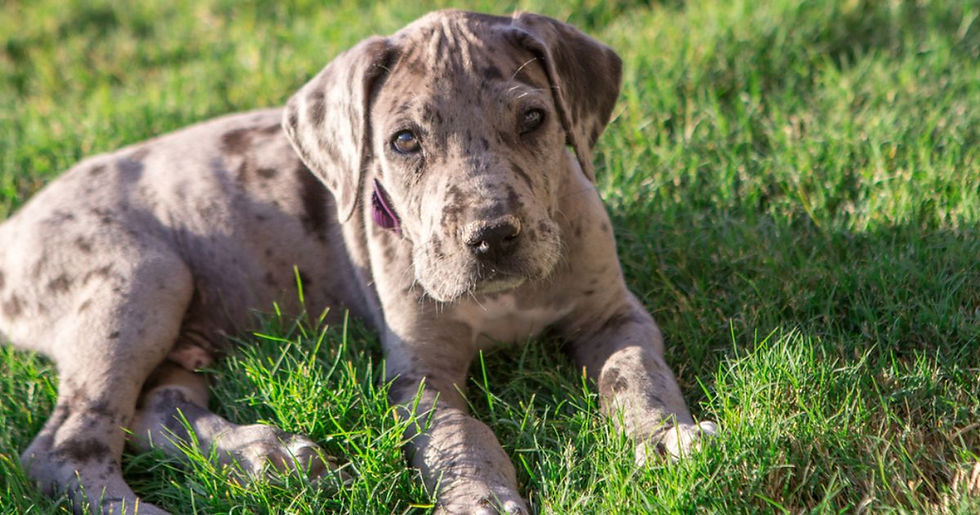
A 2-month-old Great Dane puppy who weighs 20 pounds will need to eat at least 2-4 cups of food per day.
The best way to determine how much food your puppy needs is to first calculate their caloric needs. Then, find out how many calories are in a cup of dry kibble or a can of wet food. Divide the number of calories your puppy needs by how many calories are in a portion to determine how many cups or cans they need per day. Depending on your puppy’s age, you’ll need to divide that number into two, three, or four meals.
For example, a 3-month-old German Shepherd puppy who weighs 20 pounds needs about 1,100 calories a day. If they’re being fed dry kibble that contains 382 calories per cup, they’d need about 3 cups of food per day. Of course, that amount can vary, based on the puppy’s activity level, body condition score, and treat consumption, but that figure provides an excellent starting point.
Puppy feeding schedule chart
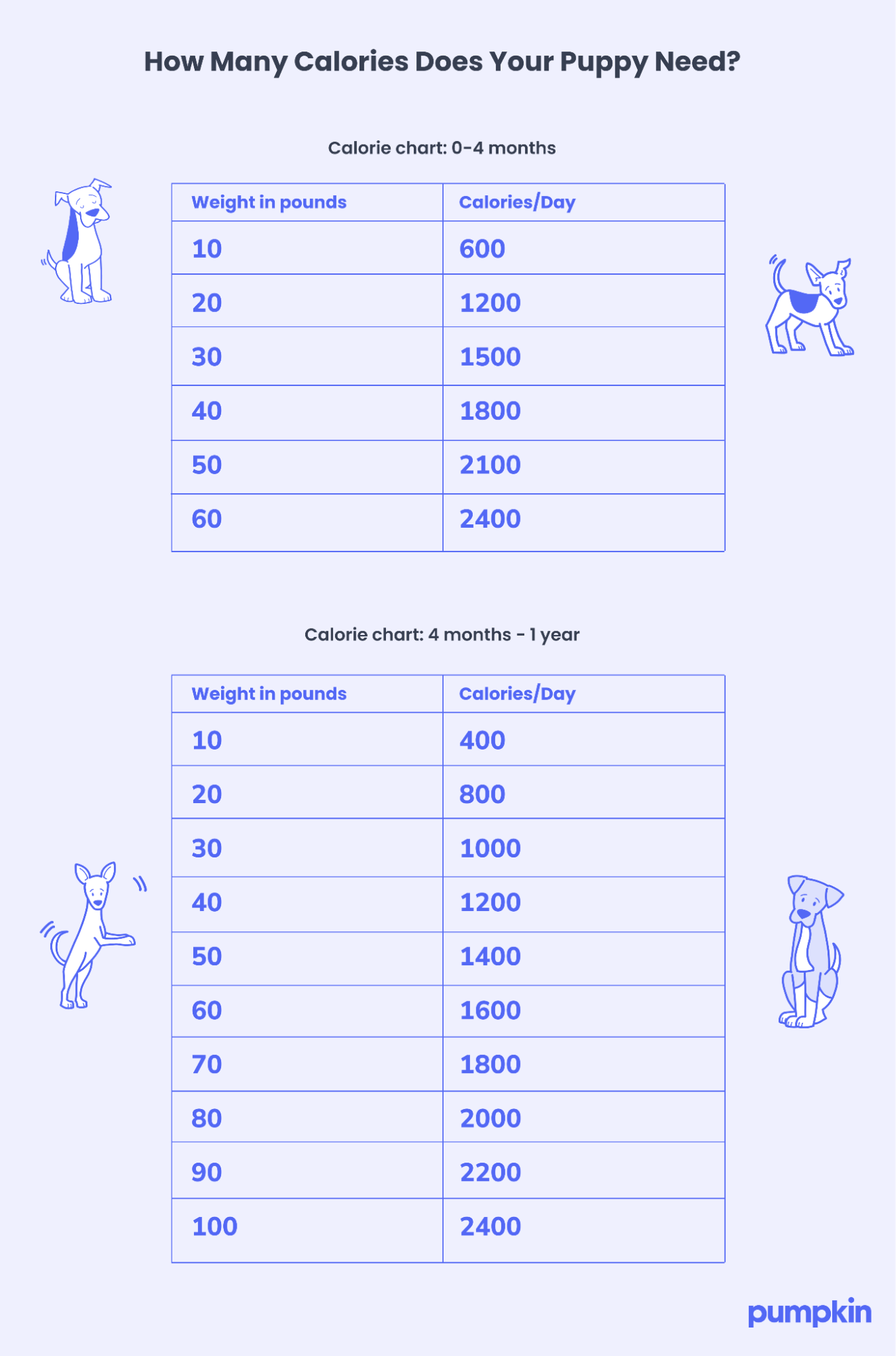
Use our veterinarian-reviewed puppy feeding chart as a quick guide on how much to feed a puppy by weight.
How many calories does my puppy need?
Puppies require more calories per pound than adult dogs, sometimes up to twice as many. Their daily energy needs are calculated using MER (Maintenance Energy Requirement), which veterinarians use to estimate a safe calorie range. Get a rough estimate of the total number of calories your pup needs and the amount of food they should be fed based on their diet using this handy calorie calculator.
How often should I feed my puppy?
Puppies thrive on routine, whether it’s regarding training, bathroom breaks, or feeding schedules. Their stomachs are small, their energy demands are high, and their blood sugar can dip without frequent meals. In general, puppies between 6 and 12 weeks old should have four meals per day. Between 3 and 6 months, you can decrease that to three meals a day. Once your puppy reaches 6 months, they can typically eat twice a day.
Using a measuring cup
Puppies do best with measured, scheduled meals, not free feeding. While leaving food out all day may sound convenient, most growing puppies don’t self-regulate well, and they will overeat.
Accurately portioned meals delivered on schedule make digestion easier, prevent overeating, help with house training, and make it easier to spot appetite changes (which could indicate illness). Remember to use a standard measuring cup, not a random cup or scoop, to ensure accuracy when measuring out meals.
How many treats can I give my puppy?
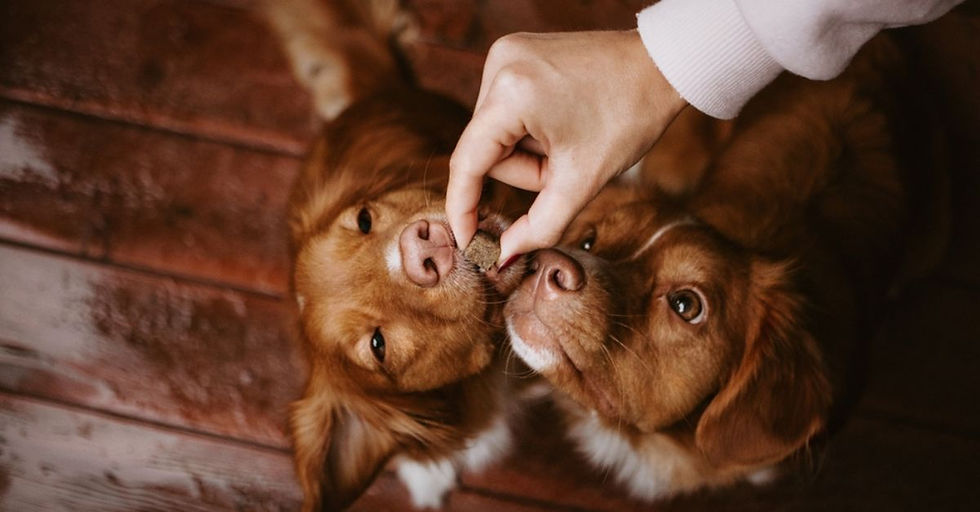
Treats are helpful training tools, but they add up quickly. In general, we recommend sticking to the 10% rule with dog treats.
That means 90% of your puppy's daily calories should come from their dog food, and no more than 10% from treats.
Avoid table scraps, which can cause stomach upset and teach bad habits. You should also consult our cheat-sheet to human foods you can (and definitely can't) share with puppies.
Puppy feeding mistakes to avoid
A few common missteps can disrupt healthy puppy growth, so keep the following tips in mind:
Switching foods too quickly can cause puppy diarrhea, so always transition slowly.
Overfeeding large-breed puppies can lead to orthopedic issues.
Free feeding makes weight control and housetraining harder.
Ignoring appetite changes may delay early detection of illness.
What type of puppy food should I choose?
The best puppy food meets the Association of American Feed Control Officials (AAFCO) standards for growth and contains high-quality ingredients. Look for formulas that list a real protein, like chicken, beef, or salmon, as the first ingredient.
Wet puppy food is a great source of hydration. While it can’t replace water in their diet, if a dog is hesitant to drink water, wet food is a good option to increase water intake. Additionally, wet puppy food is a great tool for enticing anxious dogs to eat. It’s often used in shelters in combination with kibble to help nervous eaters settle in.
Wet and dry food both have benefits. Many pet parents choose a combination to offer hydration, flavor variety, and dental support. Plus, teaching your puppy from a young age to accept different flavors and textures helps avoid food aversions in the future.
What is the difference between adult dog food and puppy food?
Puppies and adult dogs have very different nutritional needs, which is why young dogs should always eat a pet food specifically formulated for growth. Puppy food is higher in calories, protein, and fat to fuel rapid development, and it contains elevated levels of key vitamins and minerals (especially calcium and phosphorus) for healthy bones. Many formulas also include DHA, an omega-3 that supports brain and vision development. Together, these adjustments ensure puppies get the targeted nutrition they need to grow into strong, healthy adults.
Can I feed my puppy a raw or fresh diet?
As interest grows in minimally processed pet foods, many new puppy parents wonder whether raw meat, fresh food, or other alternatives are healthier than traditional kibble. Dry kibble is convenient, shelf-stable, and formulated to be nutritionally complete, but it can be higher in carbohydrates. Raw diets, on the other hand, come with their own risks. Handling raw meat can expose people in the household, especially children or immunocompromised family members, to harmful bacteria. These diets can also lack the precise nutrient balance puppies need.
The American Veterinary Medical Association (AVMA) notes that raw pet foods can be risky for both humans and pets if not appropriately prepared to reduce or eliminate pathogenic organisms. Additionally, studies have found calcium-to-phosphorus imbalances and vitamin deficiencies in raw or home-prepared diets. Over time, these gaps can cause serious developmental issues for growing puppies.
Your veterinarian is the best resource when choosing the right diet for the long-term health of your dog. They can recommend a feeding plan based on your puppy’s breed, projected adult size, and potential inherited health risks.
When to switch puppies to adult dog food

Most puppies switch to adult dog food when they’ve reached about 80% of their expected adult size, at a healthy weight. Typically, small breeds will switch over when they’re spayed or neutered, so anywhere from 6 to 9 months of age. Medium breeds can switch around a year of age, while large and giant breeds may need specially formulated puppy food for 18 to 24 months.
Feed for a healthy future
Feeding your puppy the right amount is one of the most important choices you’ll make in their first year. Good nutrition now supports strong bones, healthy digestion, bright minds, and long-term well-being. Keep an eye on your puppy’s body condition, check in with your veterinarian regularly, and be open to adjusting portions as your pup grows and changes.
Curious, growing puppies can find themselves in all sorts of mischief. Feeding them the right dog and puppy food gives them the best start in life, but you can't plan for everything. Pet insurance can help make sure quality care is available (and affordable) when the unexpected happens. Learn more about how Pumpkin Pet Insurance plans can help cover eligible vet bills for future accidents and illnesses.
FAQs
How do I know if I’m feeding my puppy enough?
A healthy body condition is your best guide. You should feel your puppy’s ribs easily under a light layer of fat, and they should have a defined waistline. If your puppy seems hungry all the time, isn’t gaining weight steadily, or appears too round, your veterinarian can help determine the right adjustment.
When do puppies start eating food?
Puppies usually begin experimenting with solid food around 3-4 weeks of age, right as their mother naturally starts the weaning process. At first, “solid” food is really a soft, soupy gruel made by soaking puppy kibble in warm water or formula. This early stage is all about exploration, as month-old puppies still get most of their nutrition from nursing.
By about 5 weeks old, puppies become more confident nibblers and start supplementing their mother’s milk with softened kibble. From there, you can gradually reduce the amount of liquid mixed in, letting the food get firmer as their teeth and chewing skills develop. Most puppies, whether large or small breeds, can fully transition to dry kibble between 8-10 weeks of age once they’re comfortable crunching it on their own.
Can I change my puppy’s food?
Yes, but do it gradually. Sudden changes can upset delicate puppy stomachs. Mix in a little more of the new food each day over a week or so, and watch for signs of digestive discomfort like loose stool or vomiting.
Which is better: wet or dry puppy food?
Both have benefits, and neither is necessarily better than the other. Wet food offers hydration and is often tastier for picky eaters, while dry food helps with dental health and is easier to store. A mix can provide balance, letting you tailor meals to your puppy’s preferences and needs.