Updated: Oct 15
There are two types of pets: the ones who stare at your dinner until you give in and the ones who steal it when your back is turned. From chicken and blueberries to chocolate and grapes, here’s what human foods dogs and cats can eat safely and what they should never get their paws on.
Key points
Many human foods are safe for dogs and cats in moderation, including lean proteins, certain fruits, and most vegetables.
Chocolate, grapes, raisins, onions, garlic, and xylitol are dangerous and require immediate action if eaten.
When in doubt, skip the table scraps and stick to pet-safe options, and always call your vet or a poison control hotline if you suspect your pet ate something harmful.
Most dogs and cats can safely enjoy small portions of lean meats, many fruits, and a wide variety of vegetables. The key is moderation. Treats, including human food, should make up no more than 10% of your pet's daily calories.
A-to-Z List: Human Foods for Dogs and Cats
Dogs | Cats | Notes | |
Alcohol | ✗ Toxic | ✗ Toxic | Never safe for pets |
Almonds | ✗ Avoid | ✗ Avoid | Choking hazard; hard to digest |
Apples | ✓ Safe | ✓ Safe | Remove seeds and core |
Asparagus | ✓ Safe | ✓ Safe | Cooked and cut into small pieces |
Avocado | ✗ Avoid | ✗ Avoid | A little flesh is ok, but best avoided |
Bananas | ✓ Safe | ✓ Safe | High in sugar; small amounts |
Blackberries | ✓ Safe | ✓ Safe | Small amounts |
Blueberries | ✓ Safe | ✓ Safe | Small amounts |
Bread | ✓ Safe | ✓ Safe | Plain only; check for xylitol |
Broccoli | ✓ Safe | ✓ Safe | Small amounts; may cause gas |
Brussels sprouts | ✓ Safe | ✓ Safe | Cooked; may cause gas |
Cantaloupe | ✓ Safe | ✓ Safe | Remove rind and seeds |
Carrots | ✓ Safe | ✓ Safe | Raw or cooked |
Cauliflower | ✓ Safe | ✓ Safe | Plain and cooked |
Celery | ✓ Safe | ✓ Safe | Cut into small pieces |
Cheese | ✓ Safe | ✓ Safe | Small amounts; some pets are lactose intolerant |
Cherries | ✗ Avoid | ✗ Avoid | Pits, stems, and leaves contain cyanide compounds |
Chicken | ✓ Safe | ✓ Safe | Cooked, boneless, and unseasoned |
Chocolate | ✗ Toxic | ✗ Toxic | Dogs most commonly affected |
Coffee/caffeine | ✗ Toxic | ✗ Toxic | Can cause serious toxicity |
Coconut | ✓ Safe | ✓ Safe | Small amounts |
Corn | ✓ Safe | ✓ Safe | Remove from cob |
Cranberries | ✓ Safe | ✓ Safe | Plain; many pets dislike the tart taste |
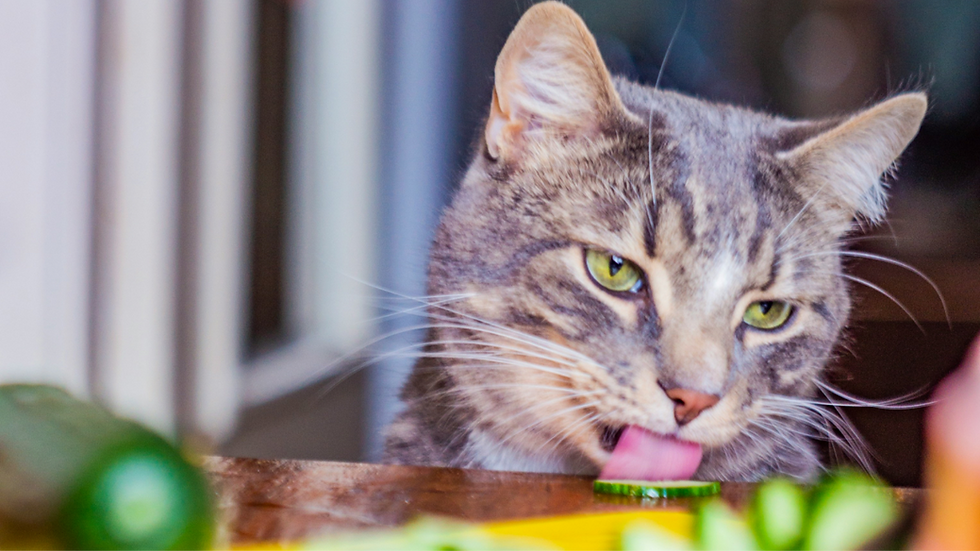
Cucumbers | ✓ Safe | ✓ Safe | Fresh and cut into small pieces |
Eggs | ✓ Safe | ✓ Safe | Cooked; never raw |
Garlic | ✗ Toxic | ✗ Toxic | Cats are especially sensitive |
Grapes | ✗ Toxic | ✗ Toxic | Can cause serious illness, especially kidney failure in dogs |
Green beans | ✓ Safe | ✓ Safe | Plain, without added salt or seasoning |
Ham | ✗ Avoid | ✗ Avoid | High in sodium and fat |
Honey | ✓ Safe | ✗ Avoid | Tiny amounts for dogs; not recommended for cats |
Lettuce | ✓ Safe | ✓ Safe | Safe but low in nutrition |
Macadamia nuts | ✗ Toxic | ✗ Avoid | Toxicity is documented in dogs, but the high fat content is unsafe for cats as well. |
Mango | ✓ Safe | ✓ Safe | Remove pit and skin |
Mushrooms (store-bought) | ✓ Safe | ✓ Safe | Wild mushrooms can be dangerous |
Oatmeal | ✓ Safe | ✓ Safe | Plain and cooked |
Onions | ✗ Toxic | ✗ Toxic | Cats are especially sensitive |
Oranges | ✓ Safe | ✓ Avoid | Small amounts for dogs with no peel. Cats should avoid citrus due to their essential oils. |
Peaches | ✓ Safe | ✓ Safe | Fresh only; remove pit |
Peanut butter | ✓ Safe | ✗ Avoid | Must be xylitol-free |
Pears | ✓ Safe | ✓ Safe | Remove seeds and core |
Peas | ✓ Safe | ✓ Safe | Fresh, frozen, or thawed; avoid added sodium |
Pineapple | ✓ Safe | ✓ Safe | Fresh only; remove core and skin |
Popcorn | ✓ Safe | ✓ Safe | Plain, air-popped, and unsalted |
Potatoes | ✓ Safe | ✓ Safe | Cooked only; never raw or green |
Pumpkin | ✓ Safe | ✓ Safe | Plain; canned or cooked |
Raisins | ✗ Toxic | ✗ Toxic | Can cause serious illness, especially kidney failure in dogs |
Rice | ✓ Safe | ✓ Safe | Plain white or brown rice |
Salmon | ✓ Safe | ✓ Safe | Cooked and boneless; never raw |
Shrimp | ✓ Safe | ✓ Safe | Fully cooked and deveined |
Spinach | ✓ Safe | ✓ Safe | Small amounts |
Strawberries | ✓ Safe | ✓ Safe | Remove stem |
Sweet potatoes | ✓ Safe | ✓ Safe | Cooked and plain |
Tomatoes | ✓ Safe | ✓ Safe | Ripe red tomatoes only; avoid green parts |
Turkey | ✓ Safe | ✓ Safe | Plain, cooked, and boneless |
Watermelon | ✓ Safe | ✓ Safe | Remove seeds and rind |
Xylitol | ✗ Toxic | ✗ Avoid | Especially dangerous to dogs; check labels carefully |
Yogurt | ✓ Safe | ✓ Safe | Plain, unsweetened; small amounts |
Zucchini | ✓ Safe | ✓ Safe | Raw or cooked |
Safe proteins for dogs and cats
Plain, cooked lean proteins are among the safest human foods for both dogs and cats. Protein supports muscle health and provides essential amino acids your pet needs.
Safe protein options include:
Chicken - Cooked, boneless, and unseasoned. A go-to for pets with sensitive stomachs.
Turkey - Plain and boneless. Skip the skin, which is high in fat.
Eggs - Scrambled or hard-boiled with no butter, oil, or seasoning. Never serve raw eggs.
Salmon and fish - Cooked thoroughly with bones removed. Never raw, which can contain parasites.
Shrimp - Fully cooked and deveined. Remove the shell and tail.
Lean beef - Cooked and plain. Trim excess fat.
A note on cheese and yogurt: Small amounts of plain, low-fat cheese or plain yogurt are generally safe for dogs and many cats. However, some pets are lactose intolerant, so start with a tiny portion and watch for digestive upset
Safe fruits for dogs and cats
Many fruits make healthy, low-calorie treats for pets. They're packed with vitamins, fiber, and hydration - just remember to remove seeds, pits, and rinds.
Fruits dogs and cats can eat:
Apples - Remove the core and seeds (which contain cyanide compounds). The flesh is a crunchy, fiber-rich snack.
Bananas - High in potassium but also sugar, so keep portions small.
Blueberries - Antioxidant-rich and bite-sized. A favorite training treat.
Blackberries - Safe in moderation. Offer a few at a time.
Cantaloupe - Remove the rind and seeds. High in vitamins A and C.
Cranberries - Safe plain, but most pets dislike the tart taste.
Mango - Remove the pit and skin. The flesh is sweet and vitamin-rich.
Peaches - Fresh only, with the pit removed. Avoid canned peaches with added sugar.
Pears - Remove seeds and core. A gentle, hydrating snack.
Pineapple - Fresh chunks only - remove the tough core and spiky skin.
Strawberries - Remove the stem. High in vitamin C and fiber.
Watermelon - Seedless is best. Remove the rind to prevent digestive issues.
Avoid: Grapes, raisins, and cherries (see the toxic foods section below).
Safe vegetables for dogs and cats
Vegetables are a great source of fiber, vitamins, and low-calorie crunch. Most veggies are safe for both dogs and cats when prepared simply.
Vegetables dogs and cats can eat:
Asparagus - Safe but tough when raw. Cut into small pieces.
Broccoli - Safe in small amounts. Too much can cause gas.
Brussels sprouts - Safe cooked. Can cause gas in larger quantities.
Carrots - Raw or cooked. Great for dental health in dogs.
Cauliflower - Plain and cooked. Easy to digest.
Celery - Low-calorie and hydrating. Cut into small pieces to prevent choking.
Cucumbers - Fresh and crunchy. Great for overweight pets.
Green beans - Plain, with no added salt or seasoning.
Lettuce - Safe but low in nutrition. Iceberg has the least value.
Peas - Fresh, frozen, or thawed. Avoid canned peas with added sodium.
Potatoes - Cooked only. Never raw or green, which contain solanine.
Pumpkin - Plain canned or cooked. Excellent for digestion.
Spinach - Safe in small amounts. High in oxalates, so don't overdo it.
Sweet potatoes - Cooked and plain. A fiber-rich, nutrient-dense option.
Tomatoes - Ripe red tomatoes only. Green parts contain tomatine, which is toxic.
Zucchini - Raw or cooked. Low-calorie and easy to digest.
Safe grains, dairy, and pantry snacks
A few common pantry items are safe for pets in small amounts, but always check the ingredients for hidden dangers like xylitol or excess salt.
Grains and pantry snacks:
Bread - Plain white or wheat bread is safe in small amounts. Skip bread with raisins, garlic, or xylitol.
Oatmeal - Cooked and plain. Good source of fiber.
Rice - Plain white or brown rice. Often used for upset stomachs.
Popcorn - Plain, air-popped, and unsalted. Remove unpopped kernels.
Peanut butter - Check the label carefully. Must be xylitol-free. Xylitol is extremely toxic to dogs, causing rapid hypoglycemia and potential liver failure. Peanut butter is generally not recommended for cats.
Human foods dogs and cats should never eat
Some human foods are dangerous or even deadly for pets. Be familiar with the foods cats can't eat and the list of food dogs can't eat.
Chocolate
Chocolate is toxic to dogs and can affect cats too, though it's generally more serious for dogs. Chocolate contains theobromine and caffeine, which dogs metabolize slowly. The darker the chocolate, the more dangerous it is, with baker's chocolate and dark chocolate being the worst. Symptoms include vomiting, diarrhea, rapid breathing, increased heart rate, and seizures.
Grapes and raisins
Grapes and raisins can cause acute kidney failure in dogs. Even small amounts can be dangerous. The exact toxic compound is still under investigation, though tartaric acid is suspected. Symptoms include vomiting, lethargy, and decreased urination. The risk to cats is less documented but avoiding them is recommended.
Onions and garlic
Onions, garlic, leeks, and chives belong to the allium family, and all are toxic to dogs and cats. They can cause Heinz body hemolytic anemia, which destroys red blood cells. Garlic is 3 to 5 times more toxic than onions, and cats are especially susceptible. Symptoms may take days to appear and include weakness, pale gums, and collapse.
Xylitol (dogs)
Xylitol is an artificial sweetener found in sugar-free gum, candy, baked goods, and some peanut butters. It's extremely dangerous for dogs, causing rapid insulin release that leads to hypoglycemia (low blood sugar) and potential liver failure. Symptoms include vomiting, weakness, tremors, and seizures.
Note: Cats, ferrets, and horses are not at the same risk from xylitol toxicity, but it’s safer to avoid.
Macadamia nuts
Macadamia nuts are toxic to dogs, causing weakness, vomiting, tremors, and hyperthermia. Symptoms usually appear within 12 hours and are typically nonfatal with treatment, but veterinary care is still recommended.
Avocado
Avocado contains persin, a compound that is primarily dangerous to birds, horses, and ruminants. For dogs and cats, the persin risk is low, but the flesh may cause GI upset, and the pit is a serious choking and intestinal obstruction hazard.
Cherries
Cherry pits, stems, and leaves contain cyanide compounds. While the flesh is not toxic, the risk of accidental pit ingestion makes cherries unsafe for pets.
Alcohol and caffeine
Even small amounts of alcohol can cause vomiting, diarrhea, coordination problems, and difficulty breathing. Caffeine (like that in coffee, tea, and energy drinks) can cause restlessness, rapid breathing, heart palpitations, and seizures.
What to do if your pet eats something toxic
If you think your pet ate something toxic, act fast. Time matters, and quick action can make a real difference in outcomes.
Stay calm
Take the food away and prevent your pet from eating more.
Identify what they ate. Note the food, amount, and when it happened.
Call for help
Poison control hotlines:
ASPCA Animal Poison Control Center: (888) 426-4435 - Available 24/7. A consultation fee may apply.
Pet Poison Helpline: (855) 764-7661 - Available 24/7. A fee per incident applies.
Do not induce vomiting unless specifically instructed by a veterinarian or poison control. Some substances cause more damage coming back up.
Watch for these symptoms:
Vomiting or diarrhea
Drooling or excessive thirst
Lethargy or weakness
Tremors, seizures, or collapse
Pale gums or rapid breathing
If your pet shows any of these signs, seek emergency veterinary care immediately.
FAQs
What human foods are safe for dogs to eat?
Dogs can safely eat many human foods in moderation, including plain cooked chicken, turkey, eggs, salmon, apples, bananas, blueberries, carrots, green beans, pumpkin, and peanut butter (xylitol-free).
What can I feed my dog if I run out of dog food?
In a pinch, you can give your dog plain cooked chicken or turkey, white rice, scrambled eggs (no butter or oil), plain canned pumpkin, or steamed vegetables like carrots and green beans. These are safe for a meal or two but don't replace a balanced dog food long-term.
What human foods are toxic to dogs and cats?
The most dangerous human foods for pets include chocolate, grapes, raisins, onions, garlic, xylitol (dogs only), macadamia nuts, alcohol, and caffeine. Cherries and raw potatoes are also unsafe. If your pet eats any of these, contact your vet or poison control immediately.
What human food can cats eat every day?
Cats are obligate carnivores, so they thrive on protein. Small amounts of plain cooked chicken, turkey, or fish can be given daily as a treat.
What should I do if my pet eats something toxic?
Remove the food, note what your pet ate and how much, and call your vet or a poison control hotline immediately.
Keeping your pet safe at mealtime
You can learn a surprising amount about your pet from the way they approach food. Some are persistent, some are patient, and some seem to have an uncanny ability to know exactly when you’re not paying attention. Once you know how your pet operates, you’ll have a better idea of whether you’re looking at a harmless request or a food heist worth stopping.