Key Points
Glaucoma in dogs is caused by increased pressure inside the eye and can lead to permanent vision loss without prompt treatment.
Early signs of glaucoma, including redness, cloudiness, or squinting, are easy to mistake for less serious eye problems.
Treatment for canine glaucoma may involve medications, surgery, or long-term management.
Some dogs are genetically predisposed, while others develop glaucoma secondary to injury or another eye condition.
It often starts as something small. One morning, your dog’s eye looks a little red. Maybe they’re blinking more than usual or holding one eye slightly closed. You keep an eye on it, thinking it’s irritation, allergies, or something that will clear up on its own.
Sometimes, it does. Other times, it’s a sign of something more serious — like glaucoma.
Glaucoma in dogs is one of those conditions that can seem mild at first, even as pressure builds inside the eye. In addition to affecting your dog’s vision, glaucoma can be incredibly painful, and without treatment, it can cause permanent damage to the optic nerve. In some dogs, glaucoma develops gradually. In others, vision loss can happen much faster than pet parents expect.
Part of what makes glaucoma so tricky is that the early symptoms often look like more common eye problems. Redness, cloudiness, tearing, or squinting can all blend together, making it hard to know when it’s time to worry. Dogs also tend to adjust quickly to changes in their vision, which means problems can progress quietly.
Learning how glaucoma develops, which warning signs matter most, and how it’s treated can help dog parents act sooner and make informed decisions when something doesn’t look quite right. The guide below walks through what to watch for, which dogs are at higher risk, and how veterinarians manage this serious eye condition.
What is glaucoma in dogs?
Glaucoma in dogs occurs when fluid inside the eye, known as aqueous humor, can’t drain properly. As fluid builds up, pressure inside the eye increases. Over time, that pressure damages sensitive structures, including the optic nerve, which plays a critical role in vision.
Veterinary specialists consider glaucoma a medical emergency. While not every case progresses at the same pace, untreated pressure is both painful and destructive, which is why early detection is so important.
What causes glaucoma in dogs?
Veterinarians typically classify canine glaucoma as either primary or secondary, based on what interferes with the normal drainage of fluid inside the eye. Understanding this distinction helps explain why some dogs develop glaucoma unexpectedly, while others face an increased risk due to genetics or underlying eye disease.
Primary glaucoma is inherited and results from abnormal development of the eye’s drainage system. Breeds most commonly affected include Cocker Spaniels, Basset Hounds, Beagles, Chow Chows, Shar-Peis, and Siberian Huskies. And, although rare, glaucoma can also occur in puppies when congenital abnormalities interfere with normal eye drainage. For predisposed breeds, routine veterinary exams and prompt attention to eye changes play an especially important role in protecting comfort and vision.
Secondary glaucoma develops as a complication of another issue within the eye. Inflammation, trauma, lens changes like cataracts, tumors, or chronic eye disease can all disrupt normal fluid flow and lead to increased pressure. Dogs managing ongoing eye conditions may be monitored more closely, since glaucoma can emerge as those problems progress.
Glaucoma symptoms in dogs to watch for
Symptoms of glaucoma in dogs can vary based on how quickly pressure rises and whether one or both eyes are affected. Early signs may be subtle, especially if only one eye is involved, but they often worsen as pressure increases.
Common symptoms of glaucoma in dogs include:
Red or bloodshot eyes
Watery discharge from the eye
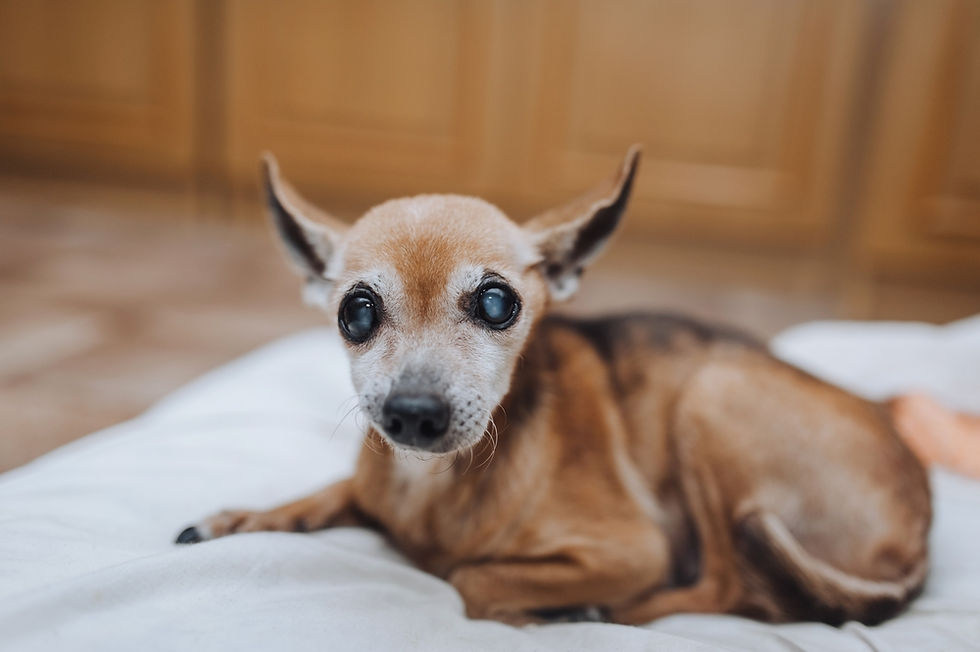
Cloudy or bluish discoloration of the eye
Swelling or bulging of the eye
Squinting or frequent blinking
Pawing at the eye or rubbing the face
Enlarged or poorly responsive pupils
Vision changes, such as bumping into objects
Because these symptoms can overlap with other eye conditions, glaucoma isn’t always immediately obvious. Mild redness or cloudiness may not seem alarming at first, but changes that persist, worsen, or appear alongside discomfort should be evaluated by a veterinarian.
How to treat glaucoma in dogs
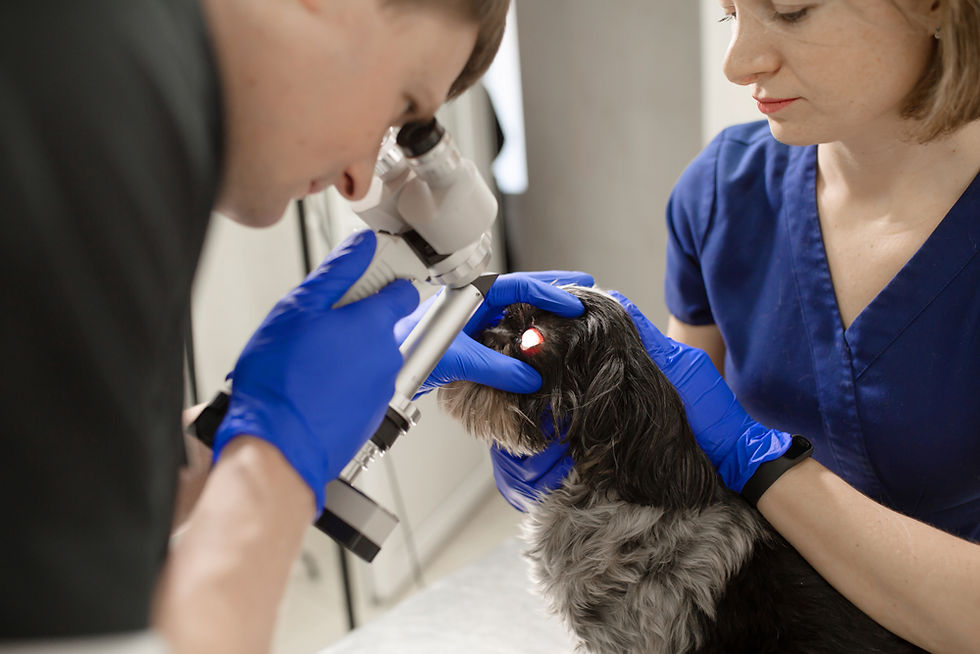
Treatment for glaucoma in dogs focuses on lowering eye pressure, relieving pain, and preserving vision whenever possible. The approach depends on how advanced the disease is at diagnosis and whether vision remains.
Treatment for glaucoma in dogs may include:
Prescription eye drops to lower intraocular pressure
Oral medications to support pressure control
Laser or surgical procedures to promote eye drainage or decreased fluid production when medications aren’t sufficient
Pain management, particularly in advanced or end-stage glaucoma
Some dogs respond well to medication alone, especially when glaucoma is caught early. Others may require surgical intervention to help control pressure long-term. However, glaucoma is a progressive condition, and blindness will eventually occur in most cases, even with treatment. In cases where vision has already been lost and pain persists, treatment shifts toward comfort-focused care. Removing the affected eye can significantly improve quality of life by eliminating chronic pain, and pets adapt surprisingly well to becoming blind after having a painful eye (or eyes) removed.
Costs vary widely depending on treatment type, follow-up needs, and whether surgery is required. For example, laser surgery may cost between $2,500 and $3,000 per eye, while an enucleation or eye removal can range from $500 to $1,000. Long-term management often involves ongoing medication and regular monitoring.
Does pet insurance cover glaucoma treatment?
Treatment for glaucoma can be costly, so that might make you wonder if pet insurance could be an option. In many cases, glaucoma treatment can be eligible for pet insurance coverage under accident & illness plans, but it depends on a few factors. Glaucoma is an illness, so accident-only plans will likely not support treatment. Additionally, if it is considered a pre-existing condition or hereditary, it may change whether it is covered. If glaucoma is diagnosed before the pet insurance plan coverage begins or during a waiting period, it may be considered a pre-existing condition and not covered. Similarly, some pet insurance plans do not cover hereditary conditions, such as primary glaucoma. Pumpkin Pet Insurance plans do not have exclusions for hereditary conditions. Every pet insurance plan is different, so it’s important to check your plan details for coverage information.
Sudden-onset glaucoma in dogs
Sudden-onset, or acute, glaucoma occurs when eye pressure rises rapidly, sometimes within hours. This form is particularly dangerous because it can cause irreversible vision loss in a very short amount of time.
Signs of sudden-onset glaucoma may include:
Rapid enlargement of the eye
Severe redness or cloudiness
Signs of significant pain or lethargy
Sudden or noticeable vision loss
Dogs experiencing acute glaucoma need emergency veterinary care right away. Immediate treatment can sometimes preserve vision and reduce pain, but delays significantly reduce those chances.
Can glaucoma in dogs be prevented?
Not all cases of glaucoma in dogs can be prevented, especially primary glaucoma, which is often inherited. However, there are steps dog owners can take to support eye health, reduce the risk of secondary glaucoma, and catch problems as early as possible.
Regular veterinary care plays a key role. Routine wellness exams, and in-depth eye exams when recommended, can help identify subtle changes before pressure inside the eye reaches damaging levels. Dogs with known breed-related risk factors or existing eye conditions may benefit from closer monitoring, including periodic eye pressure checks.
At home, keeping your dog’s eyes clean and watching for redness, cloudiness, discharge, or signs of discomfort can help you spot concerns early. Prompt veterinary evaluation is especially important if symptoms don’t improve quickly.
Protecting your dog’s eyes from injury is also vital, since trauma can contribute to secondary glaucoma. Using a harness instead of a tight collar may help avoid unnecessary pressure around the neck and eyes. Supporting overall health with a balanced diet and good preventive care can further contribute to long-term eye wellness.
While glaucoma can’t always be avoided, staying proactive about eye health can help reduce complications and support your dog’s comfort and quality of life.
Keeping an eye on what matters
Eye health doesn’t always get the same attention as joints, digestion, or skin, but when something goes wrong, the effects can be immediate and life-changing. Glaucoma is painful, progressive, and often unpredictable, which makes awareness and early action so important.
Knowing the warning signs of glaucoma in dogs, understanding which pups are at higher risk, and seeking veterinary care when something doesn’t look right can protect more than just eyesight. It helps preserve comfort, confidence, and quality of life.
And when unexpected health issues arise — as they sometimes do — being prepared can make it easier to focus on what matters most: getting your dog the care they need, when they need it. Learn how Pumpkin Dog Insurance helps pet parents prepare for unexpected veterinary care.
FAQs about Glaucoma
What are the early signs of glaucoma in dogs?
Early signs of glaucoma in dogs can include eye redness, squinting, excessive tearing, cloudiness, or sensitivity to light. Because these symptoms can resemble less serious eye issues, prompt veterinary evaluation is important when changes don’t quickly improve.
How do you treat glaucoma in dogs?
Treatment focuses on lowering pressure inside the eye to relieve pain and slow vision loss, often using prescription eye drops or oral medications. In more advanced cases, laser therapy or surgery may be recommended, and if an eye becomes blind and painful, removal of the eye can be the most humane option. Your veterinarian will tailor treatment based on how advanced the disease is and how your dog responds over time.
How much does dog glaucoma treatment cost?
Dog glaucoma treatment costs vary widely, from hundreds for medications and initial exams (around $200-$300) to $2,000 - $5,000 or more for surgical options like laser treatment (cyclophotocoagulation) or eye removal (enucleation), with overall management potentially reaching thousands over time due to lifelong drops and checkups, emphasizing pet insurance or managing costs with options like generic drugs.
Is glaucoma painful for dogs?
Yes. Increased eye pressure causes significant discomfort, which is why glaucoma is considered a medical emergency and requires prompt treatment.
Can glaucoma in dogs be cured?
There is no cure for glaucoma, but it can often be managed with medication or surgery to reduce pain and slow progression, especially when diagnosed early.
Can dogs live a good life with glaucoma?
Many dogs with well-managed glaucoma live comfortable, happy lives. Treatment focuses on preserving vision when possible, but ultimately prioritizing comfort over vision.
