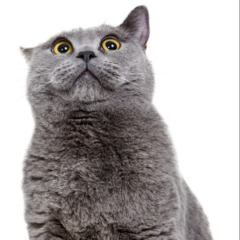
Halloween is one of the biggest decorating holidays of the year…and also one of the busiest nights for pet emergency calls. Between chocolate left within reach, costumes that pinch or restrict, glowing decorations that beg to be chewed, and a front door opening every few minutes, the holiday hides real dangers for dogs and cats.
The good news: nearly every Halloween pet emergency is preventable with a little planning. This guide covers the four biggest risk areas – toxic treats, costumes, decorations, and doorway stress – plus a simple emergency plan so you know exactly what to do if your pet gets into something they shouldn't.
Pet insurance claims spike in October
October was Pumpkin's highest claims month of 2025, with over 21,000 claims submitted¹, which is more than any other month of the year. Chocolate ingestion was one of the costliest culprits: the average claim for chocolate-related illness came in at $1,126.24 for dogs and $579.69 for cats².
The size of that gap tracks with what vets see every year: dogs are far more likely to gulp down an entire bowl of candy at once, while cats tend to nibble rather than binge, though even a small taste can mean a costly, uncomfortable trip to the vet. The October spike is a good reminder to double-check your pet's coverage and lock down the candy dish before the trick-or-treaters start ringing the bell.

The sweet danger: Halloween candy and toxic treats
Candy bowls and trick-or-treat buckets are the single biggest Halloween hazard for pets. Chocolate is toxic to both dogs and cats, and the darker the chocolate, the more dangerous it is – baking chocolate and dark chocolate contain the highest levels of theobromine, a compound pets can't metabolize well.
Sugar-free candy and gum sweetened with xylitol are even more dangerous, causing a rapid, life-threatening drop in blood sugar in dogs even in small amounts. Raisins are another hidden risk, since they can cause kidney failure in dogs. Even empty wrappers are a concern: pets who swallow foil or cellophane risk an intestinal blockage that may require surgery.
Cats are less likely to go after chocolate than dogs, but they're not immune, and they're just as vulnerable to xylitol and to choking on wrappers or hard candy. The safest approach for both species: keep the candy bowl up high, out of paw's reach, and remind kids and guests not to share treats with pets, however tempting those puppy-dog eyes might be.
Costume safety: comfort before cuteness
A costume should never come before comfort. Before Halloween night, do a trial run and watch closely for signs your pet is stressed: pinned-back ears, a tucked tail, excessive licking, or trying to back out of the outfit.
A good costume:
Doesn't restrict movement, breathing, hearing, or vision.
Has no small or dangling parts your pet could chew off and swallow.
Fits snugly enough that it won't get caught on furniture or paws.
Comes off easily if your pet becomes distressed.
If your pet seems unhappy in costume, it's completely fine to skip it; a festive bandana or collar accessory gives the Halloween spirit without the stress. Never leave a costumed pet unsupervised, even for a few minutes.

Decoration hazards around the home
Halloween decor is designed to glow, flicker, and dangle, which also makes it irresistible to curious pets. Lit candles inside jack-o'-lanterns can burn a wagging tail or get knocked over by a jumping cat. Glow sticks and glow jewelry contain a bitter liquid that's mildly toxic and can cause drooling and irritation if bitten into, something cats are especially prone to doing. Fake cobwebs, string lights, and small figurines all pose choking or entanglement risks.
Cats deserve their own note here: with more strangers at the door and more foot traffic outside, indoor cats, especially black cats, who are sometimes targeted by pranksters or superstition around Halloween, are safest kept indoors in a separate room for the whole holiday, not just on the big night. Watch out, too, for seasonal plants and floral arrangements, some of which are toxic if chewed.
Safer swaps make it easy to decorate without the risk. Try battery-operated flameless candles instead of real ones, paper chains or fabric bunting instead of glow sticks, and decorations set up out of jumping or pawing range.
The doorway problem: trick-or-treaters, noise, and escapes
A door opening every few minutes, costumed strangers, and unfamiliar noises add up to one of the most stressful nights of the year for many pets – and one of the highest-risk nights for escapes. A startled dog or cat can bolt through an open door in seconds.
Before the doorbell starts ringing, set up a quiet, secure space away from the entryway. A back bedroom with familiar bedding, water, and maybe a food puzzle toy works well.
Confirm your pet's collar, ID tag, and microchip information are current in case they do slip out. If your pet already struggles with noise or stranger anxiety, it's worth reading up on dog anxiety ahead of time and building in extra calming strategies for the big night.
Your Halloween pet emergency plan
Even with precautions, accidents happen, so it helps to know the plan before you need it.
Watch for these signs: vomiting, diarrhea, drooling, lethargy, agitation, tremors, or a racing heart rate can all signal that your pet got into something they shouldn't have.
Who to call:
Your regular veterinarian, or the nearest emergency animal hospital
ASPCA Animal Poison Control for guidance on suspected poisoning
Pet Poison Helpline, available 24/7
Have your pet's weight and the packaging of whatever they may have eaten on hand – it helps the vet or poison control team assess the risk quickly. Never induce vomiting unless a professional tells you to.

Keep the season safe and fun
Halloween can absolutely be a fun holiday for pets when a few precautions are in place: secure the candy, choose comfort over costume, pet-proof the decorations, and give anxious pets a calm retreat from the front door. A little planning goes a long way toward making sure the only scary part of the night is the decorations.
For more ways to keep your pet safe year-round, explore Pumpkin's other pet safety resources and plan ahead so every season stays a happy one.
FAQs
How do I keep my pet safe on Halloween?
Keep all candy out of reach, choose a comfortable (or no) costume, keep decorations like candles and glow sticks away from pets, and give your pet a quiet, secure space away from the front door. Make sure ID tags and microchip details are current.
What Halloween candy is toxic to pets?
Chocolate (especially dark and baking chocolate), anything with xylitol (sugar-free candy and gum), and raisins are the most dangerous. Even wrappers are a risk, since they can cause intestinal blockages.
Are glow sticks dangerous for pets?
The liquid inside is very bitter and can cause drooling, irritation, and agitation – especially in cats, who like to bite into them. It's rarely life-threatening, but keep glow sticks away from pets and rinse their mouth with water if they chew one open.
Should I dress my pet in a costume?
Only if your pet is comfortable. The costume shouldn't restrict movement, breathing, hearing, or vision, and should have no small parts to chew off. Do a trial run first, watch for signs of stress, and never leave a costumed pet unsupervised.
Disclaimers:
Based on Pumpkin Claims data from January 2025 to December 2025. Coverage and reimbursement rates vary based on policy options. This does not guarantee coverage. Individual results may vary and statistics may change during different time periods.
Based on Pumpkin Claims data from October 2020 to October 2025. The examples illustrate reimbursement of an eligible claim. Coverage and reimbursement rates vary based on policy options. This does not guarantee coverage. Individual results may vary and statistics may change during different time periods.