Key points
Most dogs recover from a spay in 10 to 14 days, and serious complications are rare when pet parents follow their vet's aftercare instructions.
The skin incision heals faster than the tissue underneath it, so rest and a cone are still important after your dog looks and acts like her old self.
Grogginess, a decreased appetite, and mild swelling are normal early on, but a gaping incision, bleeding, or lethargy lasting more than a day or two means it's time to call the vet.
The car ride home from the vet after your dog’s spay is usually a quiet one. Your dog is wobbly, a little dazed, and wearing a cone that makes her look like a satellite dish. You're holding a discharge sheet and a growing list of questions. Is she supposed to be this groggy? Does she have to wear the cone while sleeping? And how is anyone supposed to keep a 10-month-old Lab off the couch for two weeks?
Take a deep breath and relax. Spaying is one of the most common surgeries vets perform, and most of what worries pet parents mid-recovery turns out to be normal healing.
A spay, or ovariohysterectomy, removes a female dog's ovaries and uterus. It's routine, but it's still abdominal surgery. Below, you'll find a dog spay recovery timeline, practical care tips, and the warning signs after spaying a dog that shouldn't wait.
If you're still deciding, start with our guide to whether to spay or neuter your dog.
How long does a dog spay recovery take?
Most dogs need 10 to 14 days to recover from a spay, which is about how long it takes the skin to close together and heal. The internal tissue can take up to a month to fully heal, making continued exercise restriction critical.
Puppies tend to bounce back fastest, though they're harder to keep still. Senior dogs and large breeds generally need more time. Dogs spayed during a heat cycle or those who are overweight have a higher risk of complications during surgery and the recovery period.
Dog spay recovery timeline (day by day)
Every dog heals at her own pace, but here's what dog spay recovery day by day typically looks like.
Day 0: Surgery day
Expect a sleepy, wobbly dog with little interest in food. Anesthesia effects usually wear off by the next morning.
Days 1–3: Peak discomfort
This is usually the most uncomfortable stretch. Mild redness and swelling are normal, and your dog will spend most of her time resting. Stay on schedule with pain medication.
Days 4–7: The energy comeback
Many dogs start feeling like themselves again, which makes this the hardest time to enforce rest. The internal tissue is still healing, so running and jumping aren’t allowed.
Days 8–14: Almost there
The incision should look closed and less red. Keep the cone on and activity limited until your vet clears her, either at a recheck appointment or via post-spay discharge instructions.
Weeks 3–4: Back to normal
With your vet's approval, gradually bring back longer walks and play.
The first night and first 24 hours at home
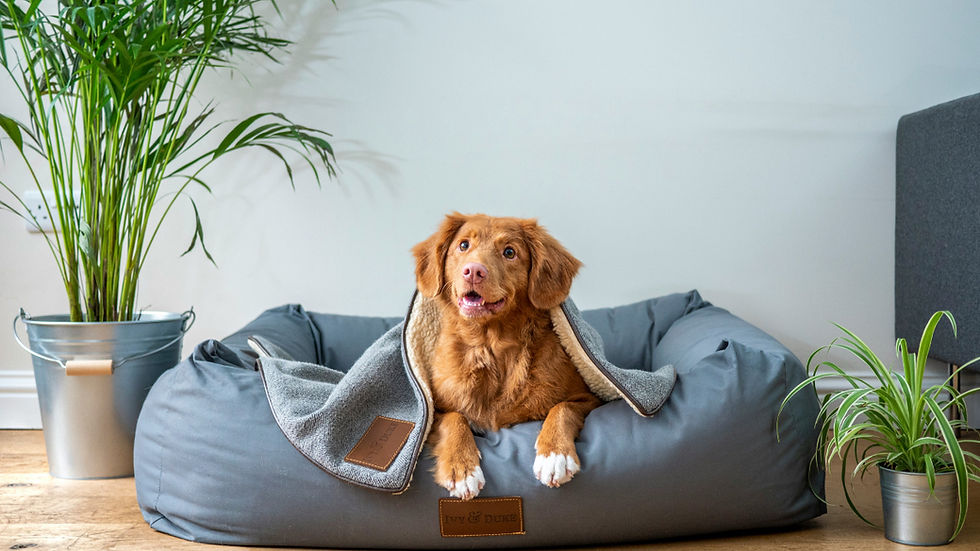
Many vets suggest offering water and about half her usual dinner that evening, since anesthesia can upset the stomach. Skipping a meal or vomiting once is usually fine, but continued inappetence or vomiting is cause for concern.
Take her out on a leash for potty breaks only, and then straight back inside. Expect lots of sleep, and maybe some whining as the anesthesia wears off.
Caring for the incision and the cone
Check the incision twice a day so you know what normal looks like for your dog. The ASPCA's post-surgery instructions call for keeping it clean and dry, so skip baths and swimming for 10 to 14 days. Don't apply creams unless your vet recommends them. If you're wondering what to put on your dog's incision, the answer is usually nothing.
The biggest rule is no licking, which can reopen the incision or cause an infection. Plastic cones are generally effective, but they can be awkward for eating and navigating doorways. Soft, donut-style cones are more comfortable, but some dogs can reach the incision around them. Surgical recovery suits are less stressful for dogs, but they may need to be removed for potty breaks. Whichever you choose, keep it on around the clock for the full recovery period.
Activity restrictions and keeping an energetic dog calm
The Animal Humane Society recommends no running, jumping, stairs, or rough play for 10 to 14 days. Potty breaks should be short and on a leash.
To keep an energetic dog calm, try lick mats, frozen food puzzles, snuffle mats, or low-key training like nose touches. Block off the furniture, and use a crate or pen when you can't supervise.
If she's truly bouncing off the walls, ask your vet whether a mild sedative makes sense.
My dog jumped after being spayed – now what?
Don't panic. Check the incision for bleeding, new swelling, or any gap between the edges. If it looks the same as before, a single jump is usually fine. If anything has changed, call your vet.
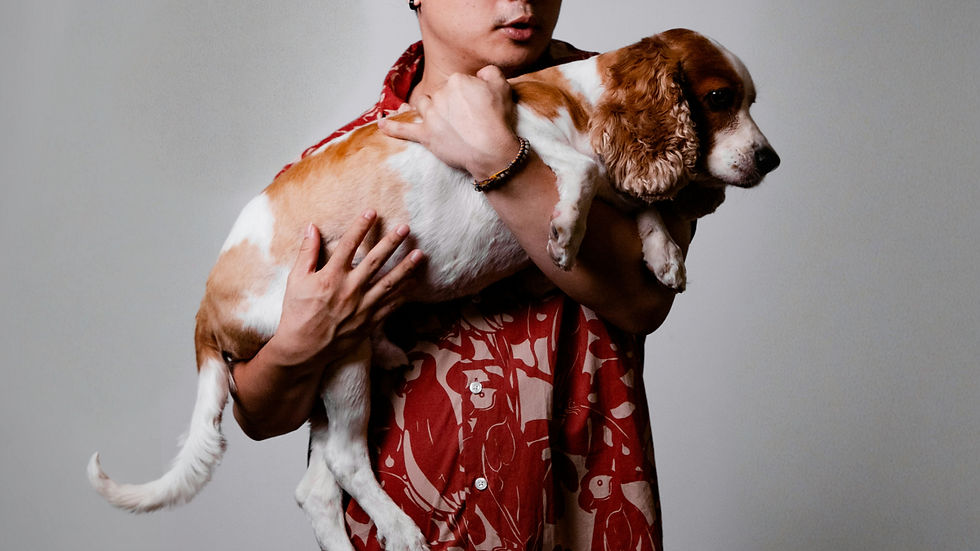
As a registered veterinary technician, I will offer an additional word of caution: Please have help getting your dog out of the car at home, especially if she needs to typically jump in and out. A disoriented dog fresh out of major abdominal surgery should not be trying to jump out of a lifted pickup truck, so carefully scoop her up with an arm around her hind end and the other under her chest. Be sure to avoid putting any pressure on her abdomen and incision when picking her up as well.
Pain management and medication
Most vets send dogs home with a dog-safe anti-inflammatory, sometimes along with a second medication. Give each dose as directed, even if she seems comfortable, as appropriate pain and anti-inflammatory medications speed healing.
Never give human pain relievers like ibuprofen, naproxen, or acetaminophen, which can be toxic to dogs. Tell your vet if she's panting at rest, restless, trembling, or hunched despite her medication.
Normal recovery signs vs. warning signs (when to call your vet)
Most mid-recovery questions come down to one thing: is this normal? Here's a quick way to tell.
Usually normal:
Sleepiness for the first 24 to 48 hours
Reduced appetite the first day
Constipation or loose stool for the first day or two
Mild redness, bruising, or swelling along the incision
Call your vet:
Incision edges pulling apart
Bleeding, pus, a foul smell, or worsening swelling
Pale gums
Lethargy lasting more than 48 hours
No appetite more than 24 hours after surgery
Repeated vomiting or diarrhea
Straining to urinate or a swollen, firm belly
When in doubt, call. Your vet would much rather answer a quick question than treat a complication that could have been caught early.
Behavior and body changes after spaying
During recovery, some female dog behavior change after spaying is common. She may be clingy, grumpy, or unusually quiet from pain, medication, or life in a cone. This typically passes as she heals.
Longer term, spaying ends heat cycles, so you won't see the signs your dog is in heat again. It also removes the risk of uterine infection (pyometra) and lowers the risk of mammary tumors.
Spayed dogs may need fewer calories to stay at a healthy weight, so ask your vet whether to adjust her food. Some dogs develop urinary leaking later in life, which is usually manageable with medication.
Cost of a spay and how pet insurance fits in
Spay costs depend on your location, your dog's size and age, and the clinic. Low-cost clinics are often the most affordable option. Private practices usually charge more, especially for large dogs or laparoscopic procedures.
Because spaying is a planned procedure, accident & illness insurance typically doesn't cover it. Learn more about whether pet insurance covers spaying and how preventive care options fit in.
Most spay recoveries go smoothly with two weeks of rest, a cone that stays on, and a daily look at the incision. After that recovery period, you and your pup can enjoy a lifetime of health and behavioral benefits, with no worries about an unexpected surprise 63 days after a rendezvous with the neighborhood stud.
Frequently asked questions
How long does it take for a female dog to recover from being spayed?
Most dogs recover in 10 to 14 days, though internal tissue can take up to a month to fully heal. Larger or older dogs may need a little longer.
Can I leave my dog alone a few days after a spay?
Short periods are usually fine once she's eating and moving normally. Keep her in a safe, confined space with her cone on so she can't jump or lick the incision.
How long does my dog need to wear the cone after spaying?
Keep the cone or recovery suit on 24/7 for the full 10 to 14 days. The incision can reopen from just a few minutes of licking, even after it looks healed.