Key Points
Small, accidental sips of properly treated pool water are unlikely to harm a healthy dog, but pool water should not be used as a water source.
Drinking too much can cause stomach upset like drooling, vomiting, and diarrhea, and gulping large amounts quickly can lead to a dangerous condition called water intoxication.
Keep fresh water nearby, supervise pool time, and call your vet or a pet poison helpline right away if your dog seems unwell.
Picture a sweltering July afternoon. The backyard pool is sparkling, the kids are splashing, and the family dog is having the time of their life diving in. Then, mid-doggy paddle, they pause to take a few gulps straight from the pool. As a dog parent, this is the moment you begin to wonder: is pool water safe for dogs to drink?
While a few accidental sips of a properly maintained pool are unlikely to hurt a healthy dog, pool water should never become your dog’s main source of drinking water while outside. Chlorine, salt, and other pool chemicals are meant to keep the water clean for swimming, not treat it for drinking, and too much chemically-treated water can leave your pup with an upset stomach or worse.
Below, we’ll walk through whether drinking swimming pool water is safe for dogs, how saltwater pools compare, the symptoms of chlorine poisoning in dogs to watch for, and exactly what to do if your dog drinks too much. A little know-how goes a long way toward keeping pool season fun for the whole family.
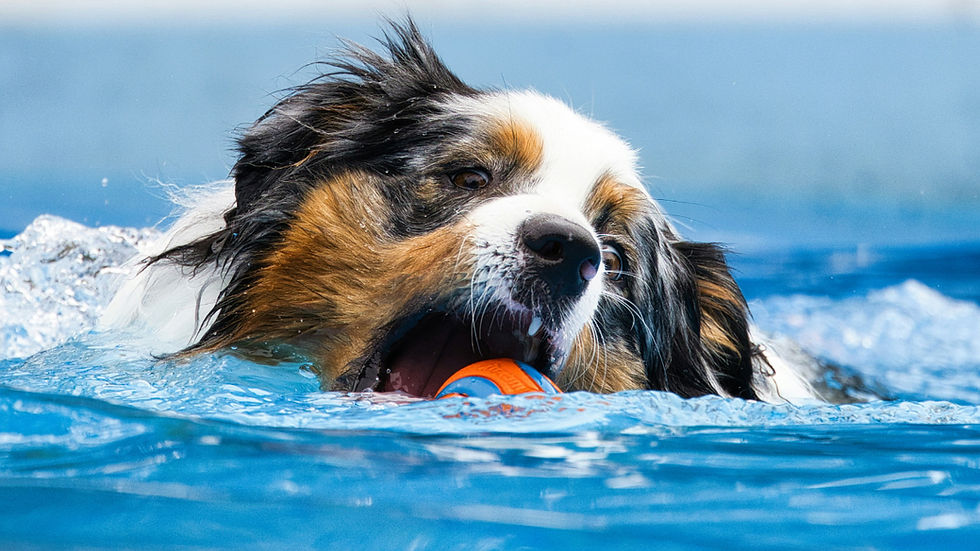
Is pool water safe for dogs?
In most cases, a properly treated pool is safe for dogs to swim in, and the occasional mouthful while they paddle around usually will not cause harm. The trouble starts when a dog treats the pool like a giant water bowl and drinks from it on purpose or in large amounts.
The main problem with pool water is chlorine. At the recommended chlorine levels for a balanced pool, chlorine is diluted enough that a small swallow is unlikely to do more than mildly irritate your dog's mouth or stomach. Concentrated chlorine, or water that has just been shocked, is a different story.
Chlorine is not the only thing floating in a pool, either. Most pools also contain stabilizers like cyanuric acid, pH adjusters, and algaecides. Each is safe at maintenance levels, but undiluted pool chemicals, the kind stored in jugs in the shed, are genuinely toxic and should be kept well out of reach. The pool chemical safety standards from the Centers for Disease Control and Prevention (CDC) are worth a look if you maintain your own pool.
If your dog gulps down a large volume of pool water, the bigger concern is often the sheer amount of water rather than the chemicals. Too much water too fast can cause diarrhea in dogs, vomiting, and in rare cases a dangerous drop in sodium levels known as water intoxication.
Can dogs drink saltwater pool water?
Saltwater pools are often marketed as a gentler, more natural alternative to chlorine, which leads a lot of parents to assume the water is safe for dogs to drink. It is not.
For one thing, saltwater pools still produce chlorine. A salt-chlorine generator simply makes it from the salt rather than having you add it directly, so the chlorine concerns above still apply.
The salt itself is the other issue. A saltwater pool is far less salty than the ocean, but it is still salty enough to cause problems if a dog drinks a lot of it. Too much salt can lead to salt toxicity in dogs, with signs like excessive thirst, vomiting, and in severe cases tremors or seizures. As with chlorinated pools, a few accidental laps are unlikely to cause harm, but deliberate drinking is a habit to discourage.
Signs your dog drank too much pool water
Most dogs who sip a little pool water will be completely fine. If your dog drinks a large amount of chlorinated pool water or is exposed to concentrated pool chemicals, watch for symptoms over the next few hours.
Those symptoms tend to fall into three groups.
Mild signs (monitor at home):
• Drooling or excessive lip licking
• Mild nausea
• Slightly upset stomach
Moderate signs (call your vet):
• Vomiting
• Diarrhea
• Loss of appetite
• Lethargy
Severe signs (seek emergency care right away):
• Repeated vomiting
• Bloody diarrhea
• Difficulty breathing
• Loss of coordination or stumbling
• Seizures
Vomiting and diarrhea can also lead to dehydration, so watch for signs of dehydration in dogs like dry gums, sunken eyes, and low energy. If your dog keeps vomiting yellow bile or cannot keep water down, contact your veterinarian.
My dog drank pool water – what should I do?
If you catch your dog drinking pool water, stay calm and follow this step-by-step approach.
Move your dog away from the pool area so they cannot keep drinking.
Offer fresh, clean water in small amounts to help dilute what they swallowed.
Watch for symptoms over the next few hours, using the list above as a guide.
Call your veterinarian if any symptoms appear, or if your dog drank a large amount.
If your dog got into concentrated pool chemicals, call the Pet Poison Helpline at 855-764-7661 or ASPCA Poison Control at 888-426-4435 right away.
How to stop your dog from drinking pool water
The easiest way to keep your dog from drinking pool water is to make sure they never feel like they have to. A few simple habits go a long way:
Keep a bowl of fresh, cool water near the pool so your dog always has a better option.
Take regular water breaks during play, especially on hot days when dogs drink more.
Supervise pool time and gently redirect your dog whenever they start lapping at the water.
Teach a reliable “leave it” or recall cue so you can call your dog away from the edge.
Rinse your dog off after swimming to remove chlorine or salt before they lick it from their coat.
It also helps to think about hot-weather safety as a whole. As a veterinary professional, some of the most serious summer emergencies I see include heatstroke, especially in popular brachycephalic ("smush-faced") breeds like French Bulldogs and English Bulldogs.
Other seasonal risks, such as water intoxication, blue-green algae poisoning, and parasite exposure, can also quickly turn a fun day outdoors into a trip to the veterinary hospital.
Many summer essentials for dogs, from collapsible water bowls to shaded rest spots, do double duty by supporting hydration, reducing overheating risks, and making your pup less likely to drink excessively from the pool.
Keeping pool time fun and safe
With a little planning, the pool can stay one of the best parts of summer for your whole family, dog included. Keep fresh water within reach, supervise the splashing, and trust your gut if your dog seems off after a swim. Knowing the symptoms and keeping your vet's number handy means you can handle the occasional gulp without it derailing the fun.
FAQ
Can chlorine kill dogs if they drink it?
It is very unlikely from a properly maintained pool, where the chlorine is far too diluted to be deadly in small amounts. Swallowing concentrated chlorine straight from the container is much more dangerous and calls for an immediate vet visit or a call to a pet poison helpline.
How much pool water is dangerous for a dog?
There is no exact threshold, but the risk climbs once a dog drinks more than a few casual sips, especially relative to their size. A small dog gulping repeatedly is more likely to get sick than a large dog who swallows a little while swimming.
Is pool water bad for dogs' skin?
Chlorine and salt can dry out a dog's skin and coat with repeated exposure, sometimes causing itchiness or flaking. Rinsing your dog with fresh water after every swim usually keeps this from becoming a problem.
Why does my dog drink pool water instead of fresh water?
Dogs often drink whatever water is closest and most convenient, and some are simply drawn to the taste of chlorine or salt. Keeping a full bowl of fresh water right by the pool usually solves the problem.
