Updated: Oct 15
Key Points
Yes, cats can eat shrimp, as long as it's fully cooked, peeled, deveined, and served plain.
Shrimp is a lean source of protein and offers nutrients like omega-3 fatty acids, but it should only be an occasional treat, not a dietary staple.
Skip raw shrimp, shells, tails, and any seasoned or fried preparations, since these carry the highest risk of illness or injury.
Cats have a reputation for loving seafood, and shrimp-themed dishes can certainly entice a curious cat into trying to steal a bite off the counter. So if your cat's whiskers are already twitching over your dinner plate, you're probably wondering: can cats eat shrimp?
The good news is that shrimp isn't on the list of foods to keep away from cats. In fact, a small bite of plain, cooked shrimp can be a delicious, protein-packed treat for most cats. Shrimp is also safe for your dog to eat too, so there’s no reason for sad puppy eyes watching your cat devour a seafood snack.
That said, shrimp comes with a few caveats, from how it's cooked to which parts are safe to share, that are worth understanding before shrimp becomes a regular part of your cat’s snack rotation. Let’s take a closer look at the nutritional benefits of shrimp, which forms are safe (and which aren't), how much to offer, and when a veterinary visit might be in order.
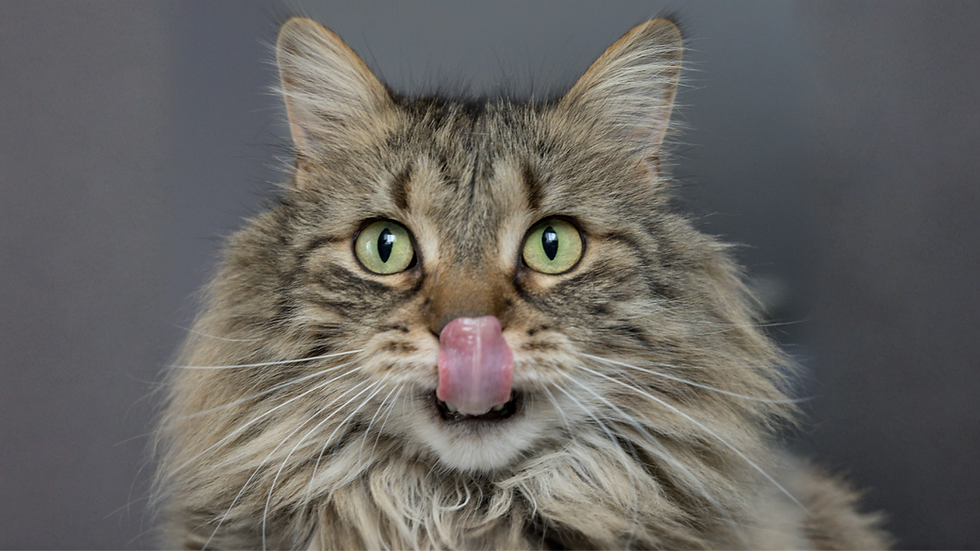
Is shrimp safe for cats?
Similar to eggs, plain, fully cooked shrimp is generally safe for cats in small amounts. Shrimp is naturally low in fat and high in protein, and most cats find the taste and texture appealing. As obligate carnivores, cats are biologically wired to enjoy animal proteins like shrimp.
Safe shrimp to feed your cat should always be:
Fully cooked (never raw)
Peeled and deveined
Plain, with no seasoning, butter, oil, garlic, or onion
Cut into small, manageable pieces
Even with these precautions, shrimp should be an occasional treat rather than a regular part of a cat's diet. A commercially balanced cat food should always make up the bulk of daily meals.
Nutritional benefits of shrimp for cats
Shrimp brings a few genuine nutritional perks to the table, though it's still best considered an occasional morsel rather than a core ingredient. According to the USDA FoodData Central database, a typical serving of cooked shrimp contains roughly:
99 calories
24 grams of protein
Less than 1 gram of fat
A substantial dose of omega-3 fatty acids
Trace amounts of vitamin B12 and selenium
That protein content is appealing, since protein is a cornerstone of feline nutrition. The omega-3s in shrimp may also support skin, coat, and joint health. Cats also need taurine, an amino acid found in animal proteins, and the Cornell Feline Health Center notes that seafood-based proteins can contribute to a cat's overall taurine intake, though shrimp alone shouldn't be relied on to meet this need.
Can cats eat raw shrimp?
Raw shrimp is best avoided. Uncooked seafood, including shrimp, can carry bacteria such as Vibrio, Salmonella, E. coli, and Listeria, which pose a real risk to cats and the humans handling their food. The CDC warns that raw pet food and treats can be a source of harmful bacteria in the household.
Raw shrimp can also contain parasites that cooking safely eliminates. Skipping raw preparations and sticking to fully cooked shrimp is a simple way to sidestep these risks entirely.
Can cats eat shrimp tails and shells?
Shrimp tails and shells should stay off the menu. They're hard, sharp-edged, and difficult for cats to chew and digest properly. Swallowed whole or in large pieces, shells and tails can cause choking or lead to a gastrointestinal blockage – a painful and potentially expensive emergency.
Before offering shrimp, remove the shell, tail, legs, and the dark vein running along the back (which is actually the shrimp's digestive tract). The plain, cooked shrimp meat that’s left is the only part that belongs in a cat's bowl.
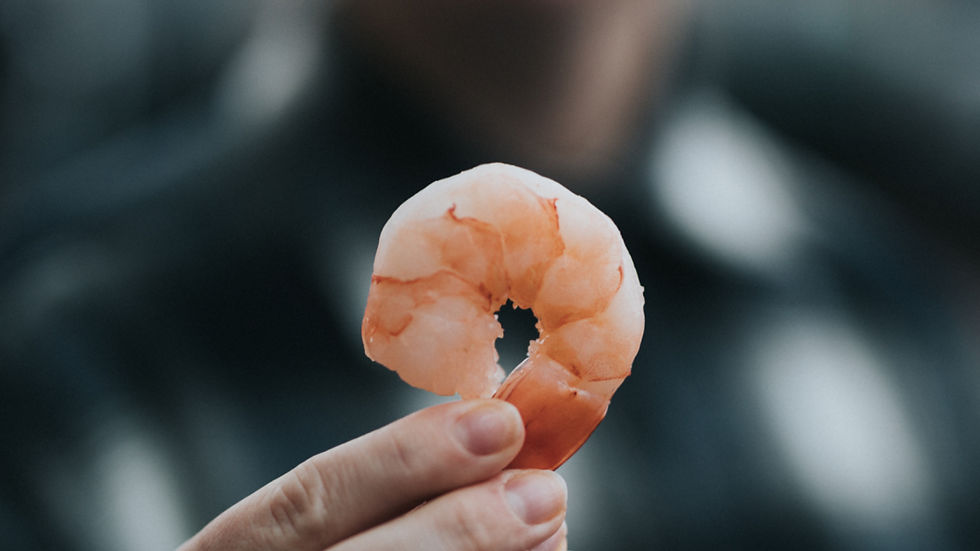
How to prepare shrimp for your cat
The safest way to prepare shrimp for a cat is also the simplest:
Boil or steam the shrimp with no oil, butter, salt, or seasoning
Let it cool completely before serving
Remove the shell, tail, and vein
Chop the shrimp into small, bite-sized pieces to prevent choking
Skip any recipe that involves frying, breading, garlic, onion, or heavy sauces. These preparations may taste great to humans, but they can be harmful to cats.
How much shrimp can cats eat?
Portion size matters more than most pet parents expect. As a general guideline, one small shrimp (or half a shrimp for smaller cats) is plenty for an occasional treat. Shrimp should never make up more than 10% of a cat's daily food intake, which is a good rule of thumb for any human food shared with a cat, whether that's a bite of cheese, a slice of banana, or a strawberry.
Introducing shrimp for the first time should be done slowly. Offer a small piece, then watch for 24 hours for any signs of stomach upset or an allergic reaction before adding shrimp to the list of your cat’s favorite treats.
Risks of feeding shrimp to cats
Even prepared correctly, shrimp isn't entirely risk-free. Pet parents should keep an eye out for:
Bacterial contamination: Undercooked or raw shrimp can expose cats to Salmonella, Listeria, and other bacteria.
Choking and blockages: Shells, tails, and large chunks are difficult to chew and digest safely.
Seasoning toxicity: Garlic, onion, and heavy salt, which are common in shrimp dishes, are all dangerous to cats.
Allergic reactions: Shellfish allergies are rare in cats but possible. Watch for itching, swelling, vomiting, or difficulty breathing after a first taste.
Pancreatitis: Fried, buttered, or oily shrimp preparations can trigger pancreatitis in cats prone to the condition.
Sodium overload: Seasoned or cocktail shrimp can carry more salt than a cat's heart or kidneys can comfortably handle, which is especially risky for cats with existing conditions like heart or kidney disease.
If your cat shows any signs of an allergic reaction or severe digestive upset after eating shrimp, contact a veterinarian right away. ASPCA Poison Control and the Pet Poison Helpline are both available if your cat has gotten into something questionable.
What about other types of shrimp?
Shrimp shows up in a lot of different forms in the kitchen, and not all of them are cat-friendly:
Boiled shrimp: Boiled shrimp is safe, and the best preparation method for cats, as long as it's plain and unseasoned.
Fried shrimp or shrimp tempura: These dishes aren’t safe, as the batter, oil, and seasoning are all hard on a cat's digestive system.
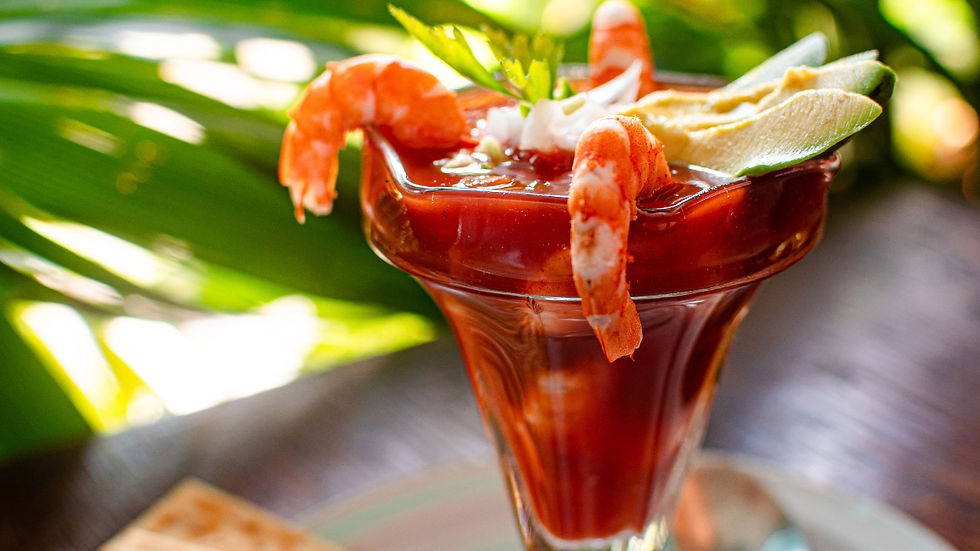
Cocktail shrimp: The shrimp itself may be fine, but cocktail sauce typically contains horseradish, lemon, and a lot of sodium, so keep the sauce away from cats.
Dried shrimp: Freeze-dried shrimp treats made specifically for cats are a convenient, cat-safe option. Human-grade dried shrimp, which is often heavily salted, is best avoided.
Frozen shrimp: Frozen shrimp is safe once fully thawed and cooked, but never offer frozen shrimp straight from the freezer.
Shrimp chips: These processed snacks are loaded with salt, starch, and artificial flavoring that offer no nutritional benefit to a cat, so keep them off your kitty’s menu.
The takeaway on cats and shrimp
Shared thoughtfully, shrimp can be a tasty, protein-rich treat that most cats enjoy. The key is sticking to small portions of plain, fully cooked shrimp with the shell, tail, and vein removed, and skipping raw, fried, or heavily seasoned versions altogether.
Curious cats have a habit of finding trouble in the kitchen, whether that's sneaking a raw shrimp off the counter or getting into foods cats can't eat. When in doubt about a food a cat has gotten into, it's always worth a call to the vet – better to ask a question than to miss a real problem.
FAQ
Can cats eat shrimp every day?
Shrimp is best kept as an occasional treat rather than a daily addition to a cat's diet. Too much shrimp can crowd out balanced nutrition and add unnecessary sodium over time.
What seafood can cats not eat?
Raw fish, shellfish, and seafood high in mercury (like large amounts of tuna) should be limited or avoided. Any seafood that's raw, heavily seasoned, or fried also carries added risk.
Can kittens eat shrimp?
Kittens can try a very small amount of plain, fully cooked shrimp, but their digestive systems are more sensitive than an adult cat's. It's worth checking with a veterinarian before introducing new treats to a kitten's diet.
Is shrimp better than fish for cats?
Neither is "better.” Both offer lean protein and beneficial nutrients in moderation. Variety, portion control, and proper preparation matter more than sticking to one type of seafood.