Key Points
A dog dragging their butt across the floor – also called scooting – is almost always a sign of discomfort, and irritated anal glands are the number one cause.
Other common triggers include intestinal parasites, allergies, and fecal debris caught in their fur, so a quick at-home check may be able to point to the cause.
Most scooting can be managed with simple remedies at home, but persistent or severe symptoms call for a vet visit.
Every dog owner has seen it at least once: their pup suddenly stops mid-stride, sits down, and drags their butt across the living room floor like they're trying to put out a fire on their rear. It's the kind of moment that gets a laugh out of a child or a raised eyebrow from a house guest, but for the dog, it usually means something is bothering them back there.
A dog dragging their butt across the floor, commonly called “scooting,” is almost always a sign of discomfort, not a strange personality quirk. The most frequent culprit is irritated anal glands, though parasites, allergies, and simple hygiene issues can cause the same behavior.
This guide walks through the most common reasons dogs scoot, what pet parents can check at home, which remedies actually help, and the red flags that mean it's time to call the vet.
What is dog scooting, and why does it happen?
Scooting describes the motion of a dog dragging their rear end along the ground while walking on their front legs, usually with their tail tucked or lifted out of the way. It looks silly, but it's a dog's way of trying to relieve an itch, sting, or pressure they can't reach with a quick lick or scratch.
Most scooting traces back to irritation around the anus or anal glands, two small scent glands located just inside a dog's rectum. When these glands become full, infected, or inflamed, they create exactly the kind of pressure that makes a dog want to drag their butt across the nearest carpet. Other causes, from parasites to allergies, tend to produce a similar itchy, uncomfortable sensation in the same general area.
Common causes of dog scooting
Scooting has a handful of usual suspects. Here's a closer look at what's most likely going on, starting with the most common cause.
Anal gland problems (the number one cause)
Anal gland problems are the number one reason dogs scoot. These two small glands, located on either side of the anus at roughly the 5 and 7 o’clock positions, normally empty a small amount of fluid whenever a dog has a bowel movement. When the fluid doesn't drain properly, anal glands can become impacted, swollen, or infected, and the resulting pressure is intensely itchy and uncomfortable.
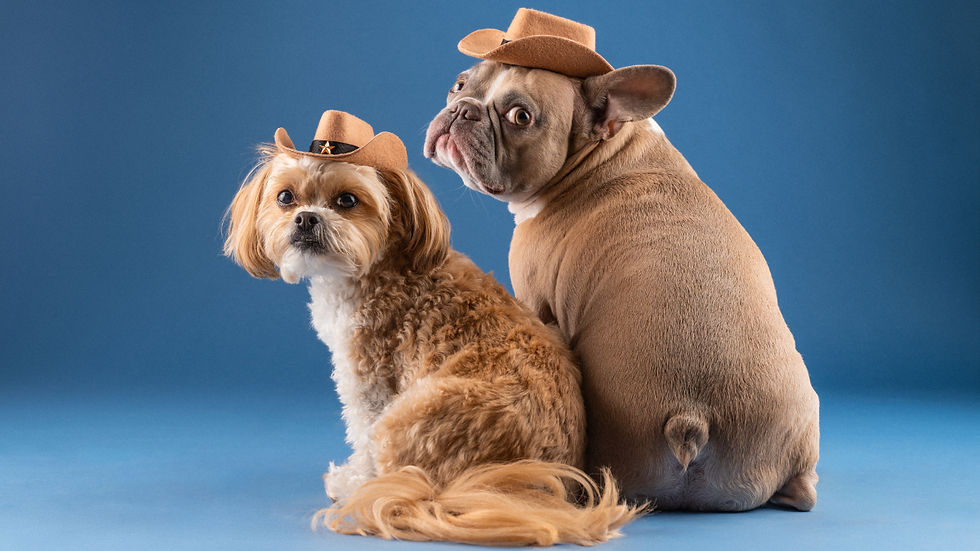
Some breeds are more prone to anal gland trouble than others, so a dog's physical build can provide an important clue. Small breeds, including Chihuahuas, Cocker Spaniels, and Shih Tzus, tend to develop anal gland issues more commonly than larger breeds, as can obese dogs or those with allergies. French and English Bulldogs often fall into both those categories, so overweight, itchy Bulldogs generally need their anal glands expressed at least every 6 to 8 weeks.
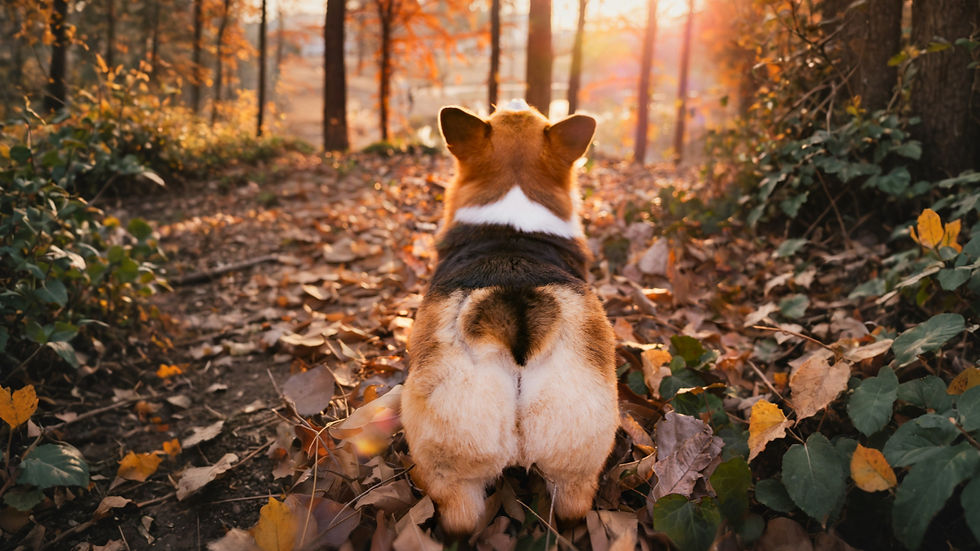
Throughout my years as a registered veterinary technician, I’ve also noticed that many long-bodied, short-legged dogs like Dachshunds, Corgis, and Basset Hounds, also require regular assistance.
Anal gland issues are common enough that they account for roughly 12% of all dog vet visits each year. If a pet parent suspects this is the cause, a vet or groomer can safely check and, if needed, express them or teach you how to express a dog's anal glands so the pressure is relieved.
Intestinal parasites
Tapeworms are the second most common cause of scooting. Tapeworm segments can look like small grains of rice near a dog's rear end or in their bed, and the irritation they cause is enough to trigger scooting on its own.
Other intestinal parasites can produce similar itching, which is one reason regular deworming and fecal exams are important, especially for puppies and dogs that spend a lot of time outdoors.
Allergies and skin irritation
Food sensitivities, seasonal allergies, and flea allergies can all cause itchy skin that isn't limited to a dog's paws or belly. When the irritation shows up around the rear end, scooting is often the result. Dogs with allergies tend to have other symptoms too, like red skin, frequent licking, or ear infections, that can help confirm what's going on.
Fecal debris or matted fur
Long-haired and fluffy breeds can end up with bits of stool caught in the fur around their rear end, which is uncomfortable and, understandably, prompts a dog to scoot it away. This is one of the simpler causes to rule out and address with a quick check and a trim.
Skin infections
Constant licking or scratching from any of the causes above can break the skin and lead to a secondary infection, similar to how hot spots develop elsewhere on a dog's body. An infected area tends to look red, swollen, or raw, and it usually needs a vet's help to clear up.
Less common causes
Occasionally, scooting points to something less common, like a rectal or perianal tumor, an injury, or a foreign object caught in the fur or skin. These causes are rare, but they're also the reason persistent scooting deserves a proper look rather than a guess.
How to check your dog at home
A quick, gentle check can help narrow down what's going on before deciding whether a vet visit is needed.
Look at the skin around the anus for redness, swelling, or discharge.
Check the fur nearby for rice-like segments, which can signal tapeworms.
Look for any stool caught in the fur, especially on long-haired dogs.
Watch for other symptoms, like excessive licking, a strong odor, or signs of pain when sitting.
Note how often the scooting happens and whether it's getting worse.
If anything looks swollen, bleeds, or smells unusually strong, it's best to stop the at-home check and call the vet instead of trying to treat it directly.
Home remedies and prevention
For mild, occasional scooting without other symptoms, a few simple changes at home often help.
Add fiber to support healthy stool
Plain canned pumpkin is a popular, gentle option many pet parents already keep on hand, and a spoonful mixed into food adds fiber that can help a dog's anal glands empty naturally during bowel movements.
Keep up with regular grooming
Trimming the fur around a dog's rear end, especially on long-haired breeds, cuts down on trapped debris and makes it easier to spot irritation early.
Maintain a healthy weight
Extra weight can make it harder for a dog's anal glands to empty on their own, so keeping a dog at a healthy weight is one of the simplest ways to prevent buildup.
Stay current on parasite prevention
Routine parasite prevention and wellness exams catch tapeworms and other intestinal parasites early, which is especially important for dogs with frequent outdoor access or contact with other animals.
Schedule routine anal gland expression
For dogs that are prone to buildup, a vet or groomer can express the anal glands on a regular schedule, before the pressure has a chance to turn into scooting or a more serious infection.
If scooting seems tied to constipation or irregular bowel movements, addressing the underlying digestive issue often resolves the scooting too.
When to see the vet about your dog’s scooting
Occasional, one-off scooting usually isn't an emergency, especially if a dog seems otherwise comfortable and the behavior clears up on its own within a couple of days.
It's time to schedule a vet visit if a pet parent notices any of the following:
Scooting that continues for more than two days
Visible swelling, redness, or a strong odor near the rear end
Blood or discharge in the area or in a dog's stool
Signs of pain, like whimpering or reluctance to sit
Straining, diarrhea, or other changes in bowel habits
Excessive licking or chewing that leads to raw or broken skin
A vet can determine the exact cause, safely express impacted anal glands, treat parasites or infections, and rule out anything more serious.
Keeping your dog's rear end comfortable
Most cases of dog scooting are manageable once the cause is identified, whether that means a diet tweak, a deworming treatment, or a trip to the groomer for anal gland expression. Anal gland issues alone account for a notable share of dog vet visits each year, and treatment for infected or impacted glands can add up quickly, especially if it becomes a recurring issue.
FAQ
Should I be worried if my dog is scooting?
A single instance of scooting usually isn't a reason to worry, but frequent or ongoing scooting is a sign of discomfort that's worth investigating, since it's rarely a random habit.
Can I treat dog scooting at home?
Mild cases tied to diet or minor irritation can sometimes improve with fiber, grooming, and weight management, but inflammation, bleeding, or symptoms lasting more than a couple of days call for a vet's help.
Why is my dog scooting after their anal glands were expressed?
Some mild irritation right after expression is normal, but continued scooting can mean the glands weren't fully emptied, an infection is developing, or there’s another issue, so it's worth a follow-up call to the vet.
Does pumpkin help with dog scooting?
Plain canned pumpkin adds fiber that supports firmer stools, which can help a dog's anal glands empty naturally, though it isn't a fix for infections or parasites.