Key points
Anticipatory pet grief is the sadness, anxiety, and sense of loss you may experience before your pet dies.
Anticipatory grief can include crying or sadness, anxiety, changes in appetite, breathing, trouble sleeping, guilt, repeatedly imagining the day your pet passes, or difficulty enjoying good days when you are thinking about the end.
Coping with anticipatory pet grief can include staying present with your pet, tracking quality of life, planning ahead, and seeking support when you need it.
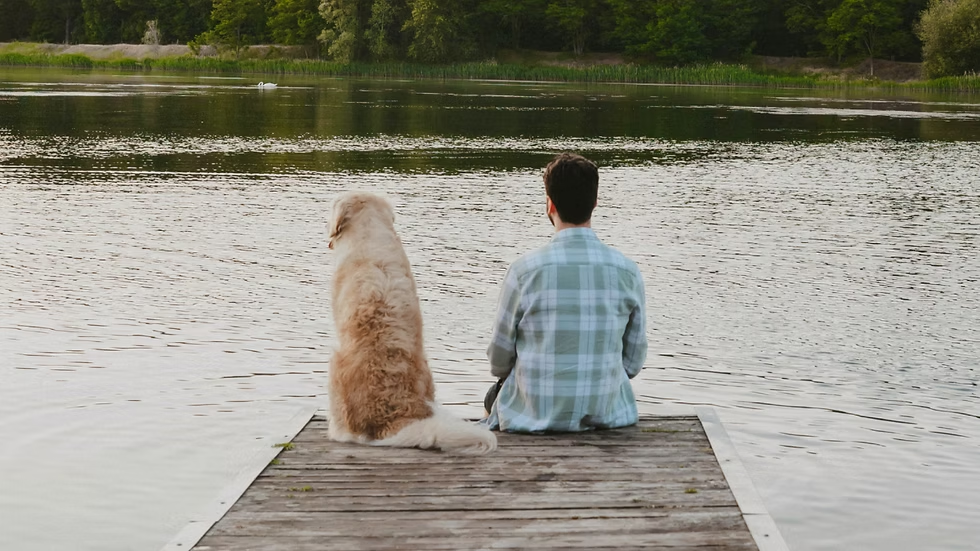
Maybe it hits you while you're watching your gray-muzzled dog sleep, or when your cat passes up a jump she used to make without thinking. Suddenly you're grieving an animal who is still right there beside you. That feeling has a name: anticipatory pet grief – the very real sadness, anxiety, and dread pet parents feel before a loss, while their pet is still alive. It is completely normal. It's a reflection of how deep the bond runs, not a sign that something is wrong with you, and you are not grieving “too early” or being morbid by feeling it.
In this article, we'll look at what anticipatory grief is and why it happens, what it tends to feel like, and practical ways to cope and stay present. We'll also cover how to use quality of life tools and plan ahead – emotionally, medically, and financially – plus when to reach for extra support, and answers to the questions pet parents ask most. The goal isn't to stop the grief. It's to help you carry it, so you can make the most of the time you still have together.
In 35 years of veterinary practice, I've seen many people start crying in exam rooms while their pets sat right beside them. They were already grieving because they loved their pet and understood what was coming. Also, I'm not just a veterinarian; I'm a passionate pet lover, and I've experienced anticipatory pet grief many times.
What is anticipatory pet grief?
Anticipatory pet grief is grief that starts before a pet dies. You may find yourself mourning small losses along the way and missing parts of your pet's old life while they're still with you. At the same time, your pet is still here and may still have many good moments.
Why do we experience anticipatory grief for pets?
Pets are an important part of your everyday household routine. When illness or change starts to affect those routines, it takes away a sense of certainty and makes it hard to stay in the moment. Research collected by the Human Animal Bond Research Institute has documented the role pets can play in emotional and physical well-being.
Anticipatory grief pet loss gets mixed up with the work of caregiving, too. Medication schedules, disrupted sleep, lifting a large dog, cleaning accidents, and repeated veterinary appointments wear people down over time.
Spitznagel and Carlson have studied caregiver burden in people caring for sick companion animals. Their research found links between higher caregiver burden and greater stress, anxiety, and depressive symptoms.

What does anticipatory grief feel like? (signs and symptoms)
There isn't a single pattern, but you might notice:
Crying or sadness that arrives unexpectedly
Anxiety about changes in appetite, breathing, or behavior
Trouble sleeping or concentrating
Guilt about feeling impatient or exhausted
Repeatedly imagining the day your pet dies
Difficulty enjoying good days because you are thinking about the end
Some people describe this level of worry as a fear of pet dying phobia. That is not a formal clinical term, but if fear is taking up most of your day or keeps you from functioning, it is worth talking to someone about it.
The 5 stages of anticipatory grief
There are 5 commonly recognized stages of grief: denial, anger, bargaining, depression, and acceptance.
Stage | What it might look like |
Denial | Struggling to accept that your pet’s life is changing or that goodbye may be coming. |
Anger | Feeling frustrated, resentful, or angry that this is happening to your pet. |
Bargaining | Thinking about what you could do differently or wishing for more time. |
Depression | Feeling deeply sad, withdrawn, or overwhelmed by the coming loss. |
Acceptance | Beginning to acknowledge what is happening and prepare for what comes next. |
Many people recognize themselves in these stages, but don’t necessarily follow them in order.
How to cope with anticipatory grief of a pet
When families ask me how to deal with anticipatory grief, I try to encourage them to stop trying to make every remaining day meaningful or mark it as a special occasion. Most pets are happiest with familiar things anyway.
Sit together in your regular spots on the couch. Take the same slow walk you usually take. If your cat wants the sunny side of the couch, make room.
A few practical habits can help too. Keep a simple good-day/bad-day calendar. Take photographs of ordinary moments. It can help to let another person take on some of the regular work of caring for your pet.
Learning how to cope with anticipatory grief of a pet doesn't mean trying to force yourself to stop feeling sad. It means finding enough support that grief doesn't take over all the time you still have together. The Association for Pet Loss and Bereavement offers pet-loss support groups, anticipatory-grief resources, and a counselor directory. The American Veterinary Medical Association also has resources on pet loss and the human-animal bond.

Using a quality-of-life scale to guide decisions
Eventually, every family reaches the same painful question: how will I know when it is time?
I often encourage families to write things down. The HHHHHMM framework, developed by veterinary oncologist Dr. Alice Villalobos, looks at seven areas:
Category | What you're assessing |
Hurt | Is pain well controlled? Can they breathe comfortably? |
Hunger | Are they eating enough, willingly? |
Hydration | Are they drinking and staying hydrated? |
Hygiene | Can they stay clean and free of sores? |
Happiness | Do they still show joy and interest in the family? |
Mobility | Can they get up and move without help, or with help they tolerate? |
More good days than bad | When bad days outnumber good ones, quality of life is compromised |
Don't worry too much about one score; instead, look at the direction things are moving. A family might realize that their dog has eaten well twice that week, but struggled to stand every morning. Lap of Love's Quality-of-Life Scale offers another structured way to track comfort and concerns. Bring your notes to your veterinarian.
Planning ahead: medical, practical, and financial preparation
Doing a little at a time can prevent rushed decision-making in the middle of an emergency.
Ask your veterinarian what changes should prompt a call and what's manageable with palliative care. Pain medication, appetite support, mobility aids, fluids, and other measures may improve comfort. Older pets often benefit from more frequent wellness checks and lab work.
It's reasonable to ask about euthanasia before you need it. You can find out whether your veterinarian offers home visits and what choices you have for cremation or burial. You should also ask about costs. End-of-life care can involve diagnostics, hospice visits, medications, mobility equipment, euthanasia, and cremation.
If you are thinking about coverage for a senior pet that is still healthy, explore pet insurance for older dogs and whether older pets need health insurance to help you plan ahead.
Helping the whole household cope
Children often notice changes before adults sit down to explain them. Simple language is usually best: “Rosie is very sick, and the medicine can’t make her better” allows a child to make sense of their experiences. With young children, avoid saying a pet is being “put to sleep,” since some may take that literally and become frightened of sleeping themselves. When parents offer children the opportunity to say goodbye in their own way, I've seen children come up with surprisingly gentle ways to be involved.
Other animals in the home may react too. Keeping the usual routine when possible gives them some stability. Programs such as Ohio State University's Honoring the Bond provide veterinary social-work support and resources for families dealing with serious illness and loss.
When anticipatory grief becomes too much: getting support
Grief can make concentration harder and disturb sleep for a while. Pay attention if distress doesn't begin to ease. If you cannot work, eat, sleep, or care for yourself, talk with a doctor or mental-health professional. Persistent hopelessness or severe anxiety may need more support than friends and family can provide. You don't have to wait until after your pet passes to use the available resources.

Stay with the time you still have
After years of watching families go through these goodbyes, I noticed the memories they mentioned afterward were usually small ones. Their dog's excitement for a special treat while sitting together on the porch. Their cat sleeping against their leg. One last slow walk around the block.
You don't have to ignore your grief or try to force it to disappear to have these important moments. Use whatever tools you have available and let other people help where they can. When you have a moment, turn your attention back to the beloved pet who is still beside you. I worked hard last year, knowing I would be losing my 17-year-old cat in the near future, to enjoy a particular moment we shared every day, and I succeeded. You can too.
When loss does come, coping with the loss of a pet will mean navigating the grief, finding ways to care for yourself, and moving through the days and weeks that follow.
Frequently Asked Questions
Is anticipatory grief normal?
Yes. Feeling grief before a pet dies is a normal response to knowing that a loss is coming. It reflects the importance of the relationship, not a problem with how you are coping.
How long does anticipatory grief last?
There isn't a fixed timeline. It may begin after a diagnosis and last a few days or weeks, or come and go for months or even years as an older pet gradually declines.
Can I feel anticipatory grief if my pet hasn't been diagnosed with anything?
Yes. Aging alone can bring it on. A gray muzzle, slower walks, more medication, or frequent vet visits can make you aware that your pet is entering a different stage of life.
How do I know when it's time to say goodbye?
Track quality of life over time and talk through the pattern with your veterinarian. Tools such as the HHHHHMM scale can help you look at comfort, appetite, mobility, happiness, and the balance between good and difficult days.