Key Points
Domestic shorthair cats are adaptable and can thrive both indoors and outdoors with proper care.
While generally bigger than many other breeds, domestic shorthair cats are prone to obesity due to their big appetites. They require portion-controlled feeding.
Regular play and physical activity are essential for keeping Domestic Shorthair cats healthy and maintaining their weight.
Domestic Shorthair cats typically have a life expectancy of 12 to 15 years, though some can live even longer with proper care.
Domestic shorthair cats are among the most common and beloved feline companions in homes across the world. Whether you're a longtime cat parent or thinking about adopting your first feline friend, these versatile and charming cats are sure to win your heart.
Known for their wide variety of coat patterns and colors, playful nature, and adaptability, domestic shorthairs are the epitome of the "all-around" cat.
Curious to learn more about these wonderful companions? Here are 12 fascinating facts about domestic shorthair cats that showcase just how special they truly are.
1. Impressive lifespan
One of the biggest perks of bringing a domestic shorthair cat into your home is their longevity. The domestic shorthair cat lifespan typically ranges from 12-15 years, with some even reaching their early 20s when given excellent care.
Since they are technically crossbreeds, domestic shorthair cats benefit from wider genetic diversity, so their average lifespan is around 14 years.
Regular veterinary checkups, nutritious diets, and plenty of love help them thrive.
2. Not a specific breed
While terms like “Siamese” or “Persian” refer to specific breeds, the domestic shorthair isn’t technically a breed. Instead, it’s a type of cat with short fur that came about naturally over time through diverse gene pools. This genetic diversity often leads to better overall health and fewer inherited health problems compared to purebred cats.
3. Closely related to the American Shorthair
Although similar, domestic shorthair cats are distinct from the American Shorthair, which is a recognized breed with its own specific traits and standards. domestic shorthairs, on the other hand, are a diverse group and can vary widely in size, coat colors, and personality.
4. A rainbow of colors and patterns
Domestic shorthair cats are famously diverse when it comes to appearances. You'll find them sporting nearly every color and pattern imaginable, including tabby, tortoiseshell, calico, and solid hues.
Because domestic shorthairs aren’t an official breed, there’s no set standard for their appearance; however, they will often exhibit traits of the American Shorthair breed, such as a sturdy, muscular build and round face.
5. They’re low maintenance
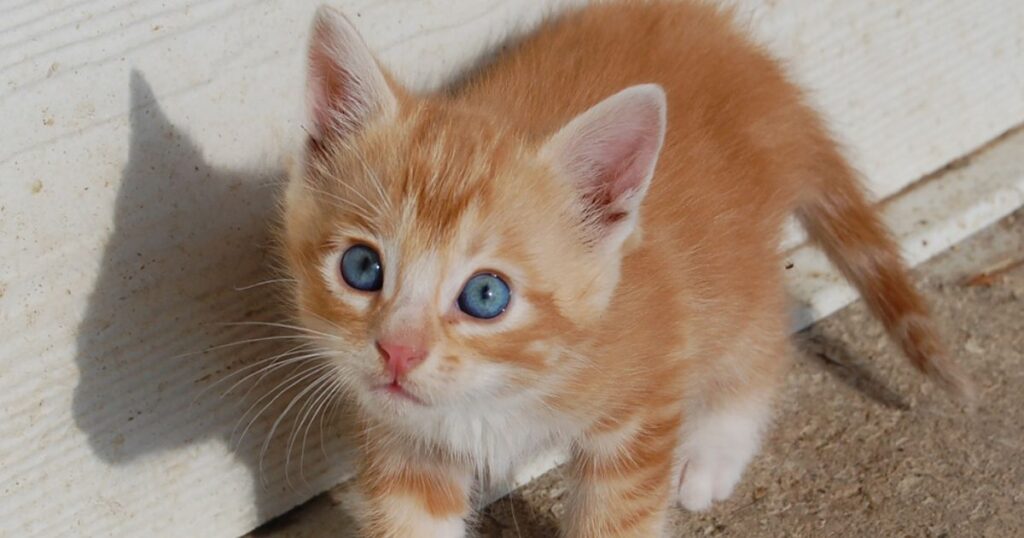
Are you short on time but still want a furry companion? Shorthaired domestic cats are perfect for busy households due to their short coats, which require minimal grooming. A quick brushing once a week is usually enough to keep their fur looking sleek and shiny.
6. Great for families with kids or pets
Domestic shorthairs are exceptional family pets due to their friendly and adaptable personalities. They thrive in diverse environments and easily adjust to households with children or other animals.
Their playful energy entertains kids, while their affectionate nature helps to develop strong bonds. Their low-maintenance grooming needs and good health make them a great choice for families of all sizes.
7. Natural hunters
Domestic shorthair cats have retained their hunting instincts, which makes them excellent mousers. Don’t be surprised if your playful cat pounces on toys, shadows, or even unsuspecting insects lurking in the house.
8. They’re not hypoallergenic
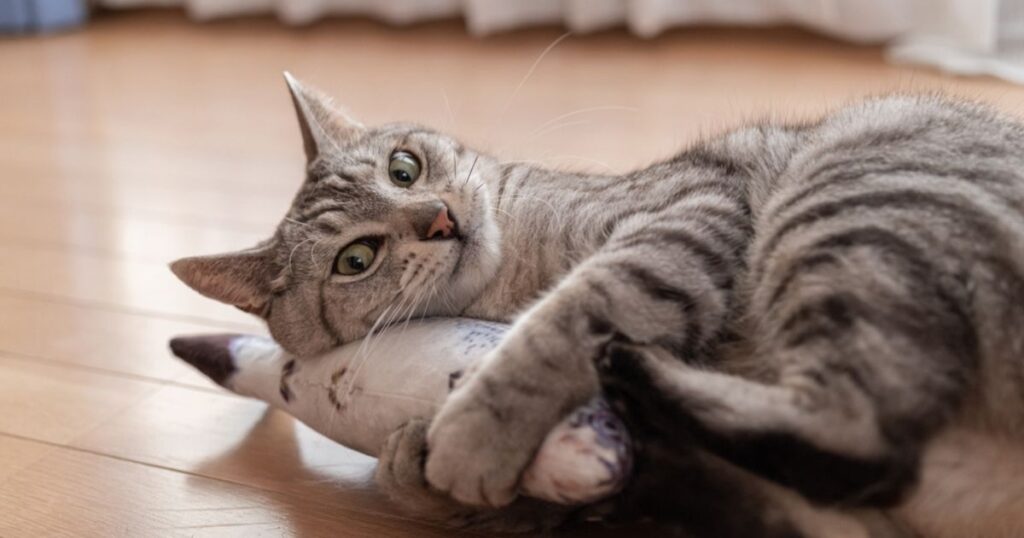
Are domestic shorthair cats hypoallergenic? The short answer is no. Although their short coats might mean less grooming, they still produce dander and saliva proteins that can trigger allergies. That said, individuals with mild allergies might fare better with them compared to long-haired breeds.
9. A varied personality spectrum
Because they’re not bred for specific traits, each domestic shorthair cat’s temperament is shaped more by individual experiences than genetics. Some are fiercely independent, while others are famously cuddly and affection-seeking. This variety means there’s likely a domestic shorthair that perfectly matches your home and lifestyle.
10. Sharp intelligence
Domestic shorthair cats are incredibly smart and thrive when mentally stimulated with toys and training. Their intelligence allows them to quickly learn commands like "Come" or even "Fetch." Using treats and positive reinforcement, owners can teach them tricks and engage their problem-solving skills with puzzle toys. Training strengthens your bond and keeps them mentally sharp.
11. They can compete in shows
Domestic shorthair cats might not belong to a specific pedigree breed, but they can still participate in cat shows. The Cat Fanciers' Association (CFA) accepts them in its Household Pet category, where they are judged based on their unique appearance, charming personalities, and overall condition rather than specific breed standards.
12. They're the most popular companion cats
Domestic shorthair cats are among the most popular pet cats across the United States. Their adaptability, good health, and range of personalities are just a few reasons they’re such a popular choice for households.
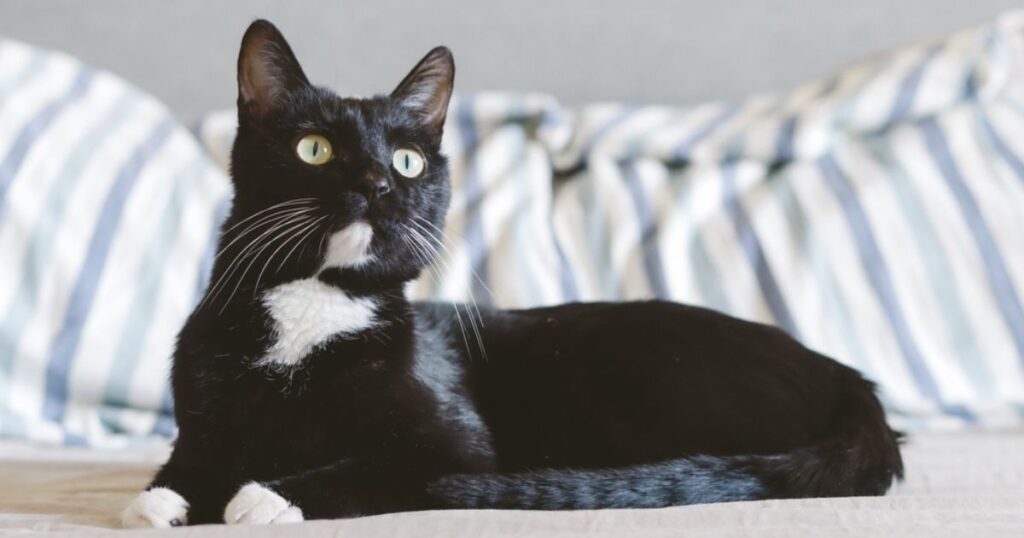
Should I adopt a domestic shorthair cat?
Domestic shorthair cats are widely available in rescues, so they are one of the most accessible pets to adopt. Yet despite their popularity, some domestic shorthairs, especially black cats, often face longer shelter stays due to outdated myths and superstitions. National Black Cat Day on October 27th each year highlights their charm and promotes them as the loving pets they are.
Adopting a domestic shorthair cat can be a wonderful decision for many households. These cats are not only affectionate and low-maintenance but are also known for their robust health and adaptability to various home environments.
FAQs
How much is a domestic shorthair cat?
The cost of a domestic shorthair cat can vary widely depending on the source. Adopting from a shelter typically costs between $50 and $250, which often includes vaccinations and spaying/neutering. If you’re getting a kitten, they’re usually not as pricey as the more exotic breeds of cats, but you have the benefit of a diverse gene pool and bags of personality.
Do domestic shorthair cats need exercise?
Yes. While they might seem low-maintenance, Domestic Shorthairs require regular play sessions to keep them physically and mentally stimulated. Toys that engage their hunting instincts, like feather wands or laser pointers, are great options.
Are domestic shorthair cats indoor or outdoor cats?
Domestic Shorthair cats can thrive as either indoor or outdoor cats, depending on their environment and care. When kept indoors, they stay safe from predators and harsh weather, while still enjoying enrichment through toys and interaction. Outdoor cats benefit from natural exploration but require supervision to avoid risks. A secure outdoor enclosure can offer the best of both worlds.
Are domestic shorthair cats prone to obesity?
Due to their hearty appetites, Domestic Shorthair cats can be prone to obesity, especially if they’re not getting enough exercise. Feeding them portion-controlled, quality meals and engaging them in regular play can help maintain a healthy weight.