Updated: Jul 29
Key points
Dog allergy testing helps your vet pinpoint what's triggering your dog's itching, so you can build a treatment plan that works.
The 3 main options are intradermal skin testing (IDAT), blood testing (RAST), and an elimination diet for suspected food allergies.
Testing usually runs $200 to $500.
Is it the chicken in their food, the pollen outside, or the detergent you’ve been using to wash their favorite blanket? When your dog is itchy, figuring out what’s going on is not as easy as you might hope. With so many dog allergy tests available, including plenty you can order online, it’s not always clear which ones will actually give you useful answers.
What is dog allergy testing?
Dog allergy testing is a set of vet-run diagnostics that can help identify specific substances your dog reacts to, such as pollen or dust mites. The results can help your vet determine which allergens to target as part of your dog’s treatment plan.
Allergy testing doesn't diagnose whether your dog has allergies. Your vet does that from symptoms and history first. Testing comes next, and it's mainly used to identify triggers when your vet plans to start immunotherapy. Per the 2023 AAHA Management of Allergic Skin Diseases Guidelines, skin or blood allergy testing is recommended only when immunotherapy is being considered.

Signs your dog may need an allergy test
Allergies in dogs usually show up on the skin, not as a runny nose. If these signs keep coming back or won't clear up, it's worth talking to your vet.
According to the American Animal Hospital Association (AAHA), common signs include:
Constant itching, scratching, or licking
Red, inflamed, or irritated skin
Recurring ear infections or head shaking
Hair loss or excessive shedding
Chewing at paws or the base of the tail
Chronic skin infections or a musty smell
Digestive upset like vomiting or loose stool
Occasional itching usually isn’t a concern, but frequent or recurring symptoms may be a sign of allergies, especially if they appear around the same time each year.
Types of dog allergies
Not all allergies work the same way, and that shapes which test makes sense. Knowing the category helps you and your vet start in the right place. Dogs typically deal with three main types.
Skin and flea allergies: Flea allergy dermatitis (FAD) is a reaction to flea saliva, and even one bite can set it off. It's one of the most common skin problems in dogs.
Food allergies: Some common cat and dog food allergies involve proteins such as beef or chicken and may cause itching or digestive upset.
Environmental allergies (atopy): Also called atopic dermatitis, these are reactions to things like pollen, mold, and dust mites. They're often seasonal.
The 3 types of dog allergy tests
Once your vet suspects allergies, a dog allergy test helps confirm the specific triggers. The right test depends on whether your vet suspects an environmental or a food allergy.
Intradermal skin testing (IDAT)
For an intradermal skin test, a veterinary dermatologist injects tiny amounts of common allergens under your dog's skin. The vet then measures which spots react.
Your dog is usually mildly sedated, and a small patch is shaved so the reactions are easy to read. This test is typically done by a specialist, not a general practice vet.
Blood testing (RAST)
A blood allergy test for dogs, often called a RAST test, checks a blood sample for antibodies to specific allergens. Your regular vet can usually draw the sample, so no sedation or shaving is needed. That makes it a more convenient option for many families.
The tradeoff is accuracy. Blood testing has a higher false-positive rate than intradermal skin testing, which means the results could identify allergens that aren’t actually causing your dog’s symptoms.
Elimination diet and food trials
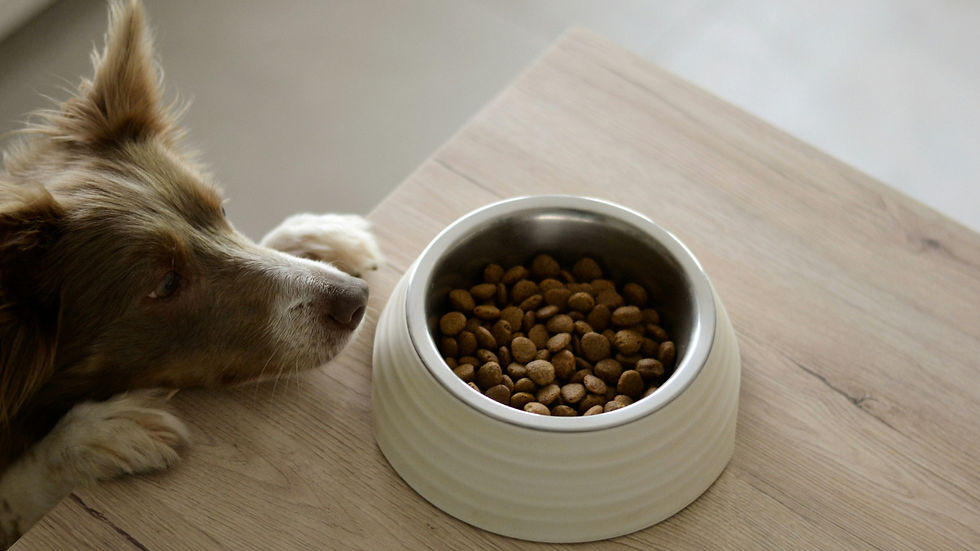
If a food allergy is on the table, an elimination diet is the most reliable food allergy test for a dog. You’ll feed your dog a special diet that either uses a protein they’ve never eaten before, such as rabbit or venison, or contains proteins that have been broken down into pieces too small for the immune system to recognize.
Your dog eats only that food during the trial while you watch to see if their symptoms improve. These food trials can run up to 12 weeks.
It’s not easy to do. No treats, table scraps, or flavored chews can sneak in, or the trial won't be accurate. If symptoms clear and then return when the old food comes back, you've found your answer.
How much does dog allergy testing cost?
Dog allergy tests cost $200 to $500, and a therapeutic diet runs about $50 to $100 per month. The cost can vary based on the type of testing, where you live, and whether you need to see a specialist.
Keep in mind that testing may be only one part of the total cost of managing your dog’s allergies. Depending on the results, your dog may also need follow-up visits, medications, a prescription diet, or immunotherapy.
What to expect at the vet and how to prepare
Your vet will start by asking about your dog’s symptoms, including when the itching started, whether it happens year-round or during certain seasons, what flea and tick prevention your dog uses, and which treatments you’ve already tried.
Next comes a physical exam. Your vet will check your dog’s skin and coat, including easy-to-miss areas like the paws, skin folds, and around the tail. They’ll also look inside the ears and check for fleas.
Your vet may then run some basic skin tests to look for other causes of itching. These can include examining skin cells under a microscope for bacteria or yeast, taking a skin scraping to check for mites, and testing material from the ears if your dog has signs of an ear infection. A fungal culture may also be recommended in some cases.
If your dog has an infection, fleas, or another problem contributing to the itch, your vet will usually treat that first and see how your dog responds. A food trial may come next if food allergies are a possibility.
Only after other causes have been ruled out does environmental allergy testing typically enter the picture, and AAHA recommends intradermal or blood testing when the results will be used to develop immunotherapy.
How to prepare for your dog’s allergy appointment
You can help your vet narrow down the possibilities by bringing as much information as you can about your dog’s symptoms and routine.
Track the itching: Note when symptoms started, where your dog tends to itch or lick, and whether symptoms seem worse during certain seasons.
Write down everything your dog eats: Include their regular food as well as treats, chews, supplements, table scraps, and flavored medications.
Bring a medication list: Include prescription and over-the-counter medications, flea and tick preventives, shampoos, supplements, and anything you’ve already tried for the itching.
Gather previous records: If another vet has treated your dog’s skin or ear problems, having those records can help your current vet see which treatments have or haven’t worked.
Ask about stopping medications: Some medications can interfere with intradermal allergy testing, but don’t stop anything on your own. If your dog is scheduled for testing, ask your veterinarian or veterinary dermatologist which medications should be stopped and when.
Treatment options after testing
Once you know the triggers, you and your vet can build a plan to bring your dog real relief. Treatment usually combines a few approaches rather than one fix.
Common options include:
Immunotherapy (allergy shots): Based on test results, these gradually desensitize your dog to specific allergens over time. This is the main reason to run allergy testing in the first place.
Medications: Vets often prescribe medications like Apoquel or antihistamines to calm itching and inflammation.
Diet changes: For food allergies, a hypoallergenic or therapeutic diet keeps the trigger ingredient out.
Flea prevention: Year-round flea control is essential for any dog with flea allergy dermatitis.
Your vet may adjust the plan as you learn what works.
Are at-home dog allergy tests accurate?
An at-home dog allergy test usually asks for a hair or saliva sample sent to a lab. They're convenient and cheaper, but the science doesn't back them up. Studies have found that some commercial tests couldn’t reliably distinguish samples from allergic dogs from those of healthy dogs or even fake fur and water.
The risk is a false result that sends you down the wrong path. For an accurate diagnosis, work with your vet on vet-run testing. Save your time and money for a test that leads to a real treatment plan.

Preventing allergic reactions
You can't prevent allergies entirely, but you can cut down on flare-ups. Small, consistent habits make a big difference.
Stay on year-round flea prevention to avoid FAD.
Wipe your dog's paws and coat after walks during pollen season.
Bathe with a vet-recommended shampoo to soothe irritated skin.
Keep bedding clean to limit dust mites.
Feed a consistent diet and skip random new treats.
Catching flare-ups early keeps them from turning into bigger skin or ear infections.
FAQs
Are dog allergy tests worth it?
They're most worth it when your vet plans to start immunotherapy, since the test identifies which allergens to target. If you're just confirming a food allergy, an elimination diet is all you need.
How much does dog allergy testing cost?
Testing typically costs $200 to $500, and a therapeutic diet runs about $50 to $100 per month. Your final cost depends on the test type, your location, and whether you see a specialist.
Can I test my dog for allergies at home?
You can buy at-home hair or saliva tests, but they aren't proven to reliably identify allergies. For results you can act on, stick with vet-run testing.
How do vets test dogs for allergies?
Vets use intradermal skin testing, blood (RAST) testing, or an elimination diet, depending on the suspected allergy type. Per the AAHA, they start with a history and exam, then choose the right test from there.
What's the most accurate dog allergy test?
For environmental allergies, vets may use either intradermal skin testing or blood testing to identify allergens for immunotherapy. Neither test is considered definitively more accurate. For suspected food allergies, an elimination diet followed by a food challenge is the standard way to confirm a food allergy.
How do I prepare my dog for an allergy test?
Track your dog's symptoms and diet. Ask your vet whether to pause any medications beforehand, since antihistamines and steroids can affect skin test results. Plan for a possible referral to a veterinary dermatologist for IDAT.
Helping your itchy dog feel better
Itching can affect everything from your dog’s sleep to their interest in walks, playtime, and cuddling on the couch. Finding the cause may take some patience, but getting their symptoms under control can make everyday life a whole lot more comfortable for both of you.