Key points
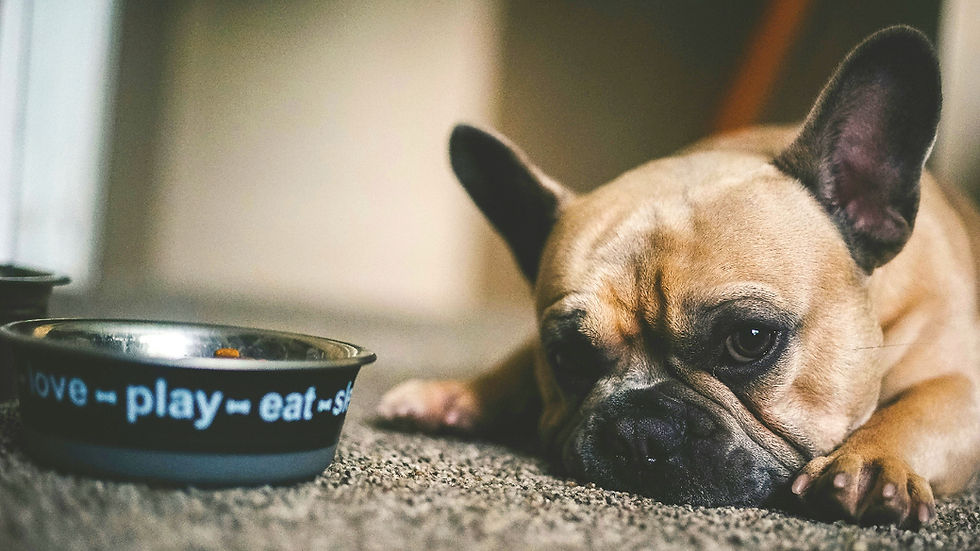
Yes, dogs can get salmonella, but full-blown illness, called salmonellosis, is relatively uncommon. A healthy dog's stomach acid and immune system usually clear the bacteria before it causes trouble.
Plenty of dogs carry salmonella with no symptoms at all and still shed it in their poop and saliva, which makes it a whole-household concern rather than just a dog concern.
Most exposure traces back to raw or undercooked meat and eggs, contaminated or recalled food and treats, or eating poop and scavenging outdoors.
Most cases clear up with supportive care from a vet, though puppies, senior dogs, and dogs with weakened immune systems can get seriously ill and need prompt attention.
If you have a dedicated counter-surfer, you know how careful you have to be with food prep, leftovers, and anything that even remotely smells edible (even when it’s not!). Sometimes, though, you may forget to toss that soggy chicken package in the trash and end up finding shredded styrofoam all over. Panic sets in and you wonder can dogs get salmonella?
The short answer is yes, dogs can get salmonella, but most dogs who swallow the bacteria never get sick from it. A healthy dog's digestive system handles a lot of bugs that would make a person miserable.
However, there’s more to the story. A dog can carry salmonella, feel completely fine, and still shed the bacteria in their poop and saliva for weeks. This characteristic is important to note, especially in homes with babies, older adults, or anyone with a weakened immune system.
Learn what salmonella actually does to dogs, which dogs are most likely to get sick, what to do right after a raw-meat raid, and how to keep the bacteria from spreading to the rest of the household.
What is salmonella in dogs?
Salmonella is a group of bacteria that live in the intestines of animals and spread through poop and contaminated food and surfaces. When a dog ingests enough bacteria to become sick, the resulting illness is called salmonellosis.
Most of the time, that does not happen. Dogs are uniquely built for a different diet, and surveys of healthy dogs routinely turn up salmonella in stool samples from animals showing no signs of illness.
Healthy dogs who do not appear ill are known as carriers. These dogs are still contagious and can shed bacteria on and off for six weeks or longer after exposure.
Symptoms of salmonella in dogs
When a dog does get sick, signs usually appear within 24 to 72 hours of exposure. Watch for:
Sudden diarrhea, sometimes with blood in your dog's stool
Other changes in your dog's poop, like a coating of mucus
Vomiting
Fever
Lethargy or weakness
Loss of appetite
Signs of dehydration, such as tacky gums or skin that is slow to spring back
Abdominal pain shown by a hunched posture, or flinching when picked up
Mild cases look like any other upset stomach and settle down within a few days. More serious infections can move out of the gut and into the bloodstream, which is an emergency. Red flags include a high fever, pale gums, rapid breathing, dark or tarry stool, and collapse.
How do dogs get salmonella?
Nearly every case traces back to something a dog ate, licked, or walked through. The most common sources your dog may pick up salmonella from include:
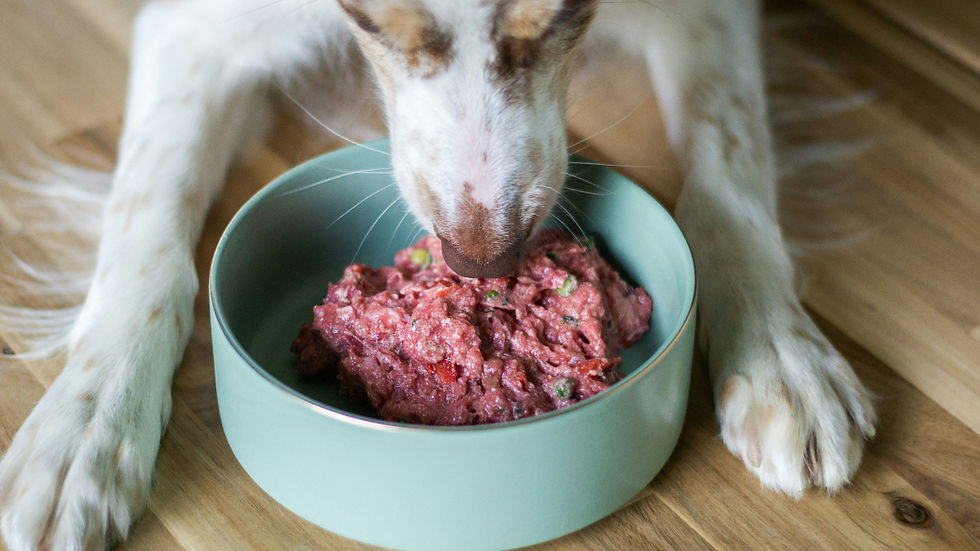
Raw or undercooked poultry. Feeding your dog raw chicken is the classic route.
Raw eggs. Whole raw eggs and raw-egg meal toppers are a well-documented source.
Other raw meats. Raw or undercooked pork and beef carry the same risk.
Commercial food and treats. Dry kibble, frozen raw diets, dried pig ears, and bully sticks have all been pulled from shelves in past FDA recalls.
Poop. Eating stool from an infected animal, whether that is another dog, livestock, or wildlife, can transmit salmonella.
Reptiles and amphibians. Turtles, lizards, and snakes carry salmonella naturally, and a dog nosing around a tank can pick it up.
Shared bowls, water, and surfaces. Bacteria survive on food bowls, toys, and floors long after the meal is over.
Which dogs are most at risk?
Dogs who fall into the following categories are at an increased risk for contracting salmonella:
Puppies, whose immune systems are still developing
Senior dogs
Dogs with weakened immunity, including those on chemotherapy or long-term steroids
Dogs recovering from surgery or another illness
Dogs recently treated with antibiotics, which disrupt protective gut bacteria
Dogs fed a raw diet through repeated exposure
Pregnant dogs
Dogs in shelters, boarding facilities, or other crowded, stressful settings
What to do if your dog ate raw chicken or contaminated food
If your dog snatched a pack of raw chicken off the counter or ate contaminated food that’s been recalled, follow these steps to ensure the health and safety of your family:
Don't try to make them vomit. Do not make your dog throw up unless a veterinarian specifically tells you to. Bones can cause serious damage on the way back up.
Clean up properly. Use hot soapy water on bowls, counters, and floors, then wash your hands. Salmonella spreads by touch more than most people expect.
Monitor appetite and symptoms. Keep fresh water available, feed a bland diet until their stomach has settled, and monitor closely for 72 hours.
Call your vet right away if your dog falls into a high-risk group, or if any symptoms show up.
How vets diagnose salmonella
A fecal culture is the standard test for diagnosing salmonellosis, and results take a few days because the lab has to grow the bacteria. In some cases, a faster, more sensitive test called a polymerase chain reaction (PCR) assay is indicated, as this test can identify salmonella DNA. If your dog acts unwell, expect bloodwork to check hydration, white blood cell counts, and organ function.
Treatment for salmonella in dogs
Treatment for salmonella in dogs is mostly about supporting the body while it clears the infection on its own. Typically, ill dogs will receive fluids to correct dehydration, anti-nausea medication, and a bland, easily digested diet for several days. Dogs who are severely dehydrated or septic may need hospitalization.
Antibiotics are not generally given for salmonellosis, as they can extend how long a dog sheds bacteria and also contribute to antibiotic resistance. Instead, antimicrobials are reserved for dogs whose infection has moved into the bloodstream.
Can your dog give you salmonella?
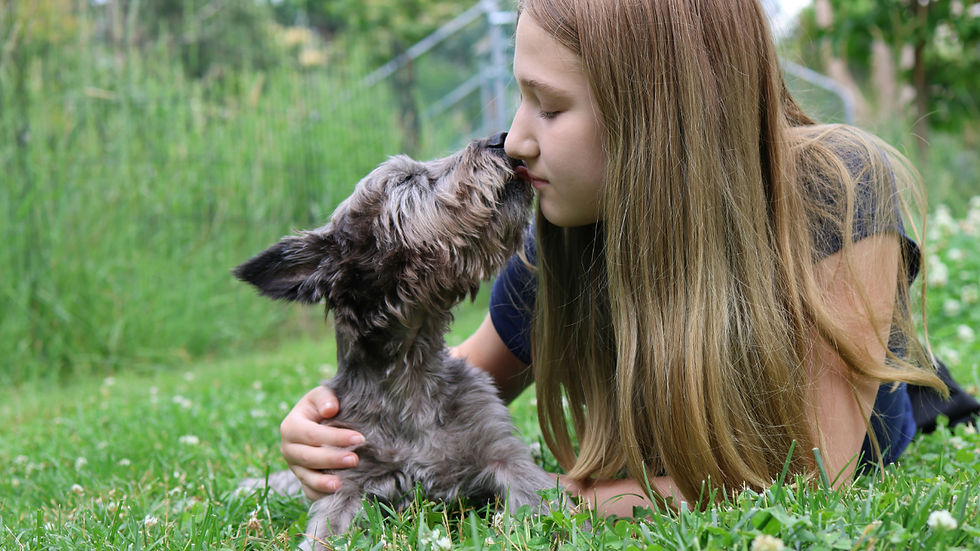
Yes, you can get salmonella from your dog. Salmonella is zoonotic, meaning it moves between animals and people. Transmission happens through the fecal-oral route, which sounds dramatic but can happen quite easily. Scooping poop, rinsing a food bowl, taking a lick to the face, picking up a slobbery toy, and then touching your own mouth before washing your hands are simple ways for bacteria to pass along.
With the shift toward less-processed diets in people and pets alike, I’ve seen more issues with raw diets, and not only in terms of salmonella transmission. I always counsel pet parents to be cautious when feeding a raw diet, as they need to practice excellent hygiene and ensure the diet is properly balanced to prevent malnutrition.
Remember that a dog does not have to look sick to transmit salmonella. Carriers shed bacteria for weeks while appearing completely healthy. Children under five, adults over 65, pregnant people, and anyone immunocompromised face the highest risk. Researchers at Penn State have also flagged pet dogs as an overlooked route for spreading antimicrobial-resistant strains of salmonella into households, which makes basic hygiene worth taking seriously.
How to prevent salmonella in dogs
Preventing salmonella in dogs revolves around good hygiene and food preparation practices.
Cook meat and eggs before serving them to your dog
Wash food and water bowls daily with hot soapy water
Wash your hands after handling food, treats, poop, or reptiles
Store dry food in its original bag inside a sealed container, so lot numbers stay with the food
Pick up poop in the yard promptly
Check the FDA recall list before restocking food and treats
Keep dogs away from reptile tanks, litter boxes, and livestock areas
While dogs can get salmonella, serious illness is uncommon, and the symptoms to act on are sudden diarrhea, vomiting, fever, and lethargy, especially in a puppy, a senior, or a dog whose immune system is already working overtime. If you’re concerned about potential infection in your pup, always give your vet a call to discuss your next steps.
FAQ
How do I tell if my dog has salmonella?
Watch for sudden diarrhea (sometimes bloody), vomiting, fever, lethargy, and loss of appetite. Because symptoms mimic other GI illnesses — and some dogs show none — a vet fecal culture is the only way to confirm it.
Can a dog get salmonella from eating raw chicken?
Yes. Raw chicken is one of the most common sources of salmonella for dogs. A small accidental bite rarely causes illness, but repeated raw feeding raises the risk for your dog and household.
Can a dog survive salmonella?
Most dogs recover fully with supportive care like hydration and rest. Severe cases that progress to sepsis are more dangerous, especially in puppies, seniors, and immunocompromised dogs, so prompt vet care matters.
How long will salmonella last in dogs?
Symptoms often ease within a few days to a week with treatment, but an infected dog can keep shedding the bacteria in their stool for six weeks or longer, so keep up good hygiene during recovery.
