Key points
Hyperthyroidism in cats is a common endocrine disease in middle-aged and senior cats, often causing weight loss despite increased appetite.
Thyroid testing for cats, especially T4 testing, helps veterinarians confirm the diagnosis and guide treatment.
With proper veterinary care, feline hyperthyroidism is highly manageable through medication, radioactive iodine therapy, surgery, or specialized diets, extending affected cats’ lifespan for 3 to 5 years after diagnosis.
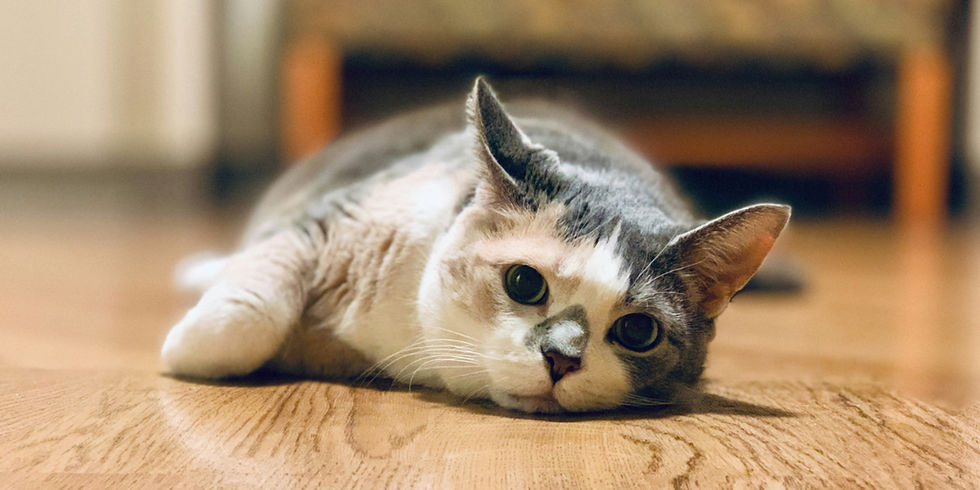
Some cats slow down as they age. Others seem to hit their senior years — starting between 11 and 14 — with surprising enthusiasm. You may notice your feline friend demanding more meals, racing through the house at odd hours, and acting like they suddenly found a second wind.
But when a cat is losing weight despite eating more than ever, that nonstop case of the zoomies can signal something deeper. One of the most common causes of this unusual combination of symptoms is hyperthyroidism in cats, a hormonal condition that speeds up the body’s metabolism.
Hyperthyroidism is especially common in cats over 10 years old, making it one of the most frequently diagnosed endocrine diseases in senior cats. The good news is that thyroid disease in cats is highly treatable. With early detection and the right care, many cats with hyperthyroidism continue to live comfortable, active lives. This guide explains the symptoms, causes, testing, and treatment options so parents know what to watch for and when to seek veterinary help.
What is hyperthyroidism in cats?
Hyperthyroidism is a condition in which a cat’s thyroid gland becomes overactive and produces excessive amounts of thyroid hormone. The thyroid gland, located in the neck on either side of the trachea, plays a critical role in regulating metabolism. Thyroid hormones control how quickly the body uses energy, affecting nearly every organ system. When a cat has hyperthyroidism, it’s like their body is stuck in “on” mode.
When thyroid hormone levels in cats become too high, the body’s metabolic processes accelerate. This can lead to many changes in the body, including:
Increased heart rate and blood pressure
Faster digestion and nutrient use
Increased body temperature
Heightened nervous system activity
Over time, this metabolic overdrive can place stress on several organs, particularly the heart, kidneys, and circulatory system.
Most cases of feline hyperthyroidism occur in cats over 10 years old, though younger cats can occasionally develop the condition. Because the symptoms can resemble typical aging changes, hyperthyroidism may initially go unnoticed without routine veterinary exams.
Hyperthyroid symptoms in cats

In a lot of the cases I see, parents tell me their cat is eating more but still losing weight, or that they’re suddenly being woken up earlier and more often for food. Those changes tend to stand out pretty quickly.
Other times, the signs are more subtle and easy to miss at home. During a routine wellness exam, I may notice significant weight loss. When we talk it through, there are often additional clues, like increased appetite, occasional vomiting or diarrhea, or higher activity levels, that didn’t seem concerning at first.
When I see that pattern, I’ll often let parents know that my veterinarian will likely recommend testing their cat’s thyroid levels when she comes in to conduct her examination. That unusual combination of increased appetite paired with weight loss is one of the most recognizable signs of hyperthyroidism in cats.
As thyroid hormone levels rise, metabolism speeds up dramatically. Even though a cat may be eating more food than usual, their body burns calories so quickly that they still lose weight. While this may sound like a great body-weight hack, it’s actually very dangerous for cats because it impacts more than their weight.
Common hyperthyroid symptoms in cats include:
Weight loss despite normal or increased appetite
Increased thirst and urination
Hyperactivity or restlessness
Vomiting or diarrhea
Poor or greasy coat quality
Rapid heart rate
Behavioral changes such as irritability
Because these symptoms can develop gradually, they’re sometimes mistaken for normal aging changes. For example, increased vocalization may be attributed to cognitive changes, while weight loss might be dismissed as a natural part of getting older.
What causes feline hyperthyroidism?
In most cases, hyperthyroidism develops when benign growths form in the thyroid gland and begin producing excess hormone.
The most common underlying causes include:
Benign thyroid adenomas: These non-cancerous tumors produce excessive thyroid hormone and account for the vast majority of hyperthyroidism cases in cats.
Nodular thyroid hyperplasia: Enlargement of thyroid tissue leads to increased hormone production.
Malignant thyroid tumors: Cancerous tumors are a rare cause of feline hyperthyroidism, but can occur in some cases.
Researchers are still studying potential environmental and dietary factors that may contribute to the condition. Some studies have investigated links between hyperthyroidism and canned food packaging, dietary iodine levels, and a variety of environmental chemicals, such as fire retardant products. While these possible risk factors are still being explored, no single cause has been definitively proven.
Importantly, hyperthyroidism is not caused by anything a parent did or didn’t do. It is a medical condition that tends to develop naturally as cats age.
Thyroid testing for cats
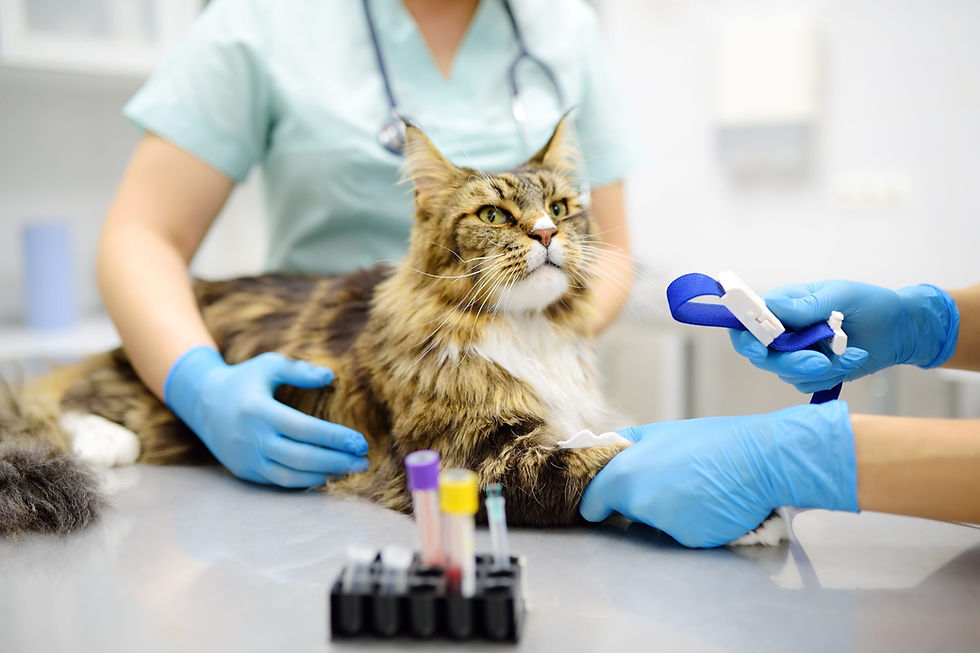
Because hyperthyroidism shares symptoms with several other health conditions that appear when a cat is sick, veterinarians rely on diagnostic testing to confirm the diagnosis.
For example, weight loss in older cats may also be associated with:
Kidney disease
Diabetes
Gastrointestinal disorders
Cancer
Blood testing helps veterinarians determine whether thyroid hormone levels are responsible for a cat’s symptoms.
T4 testing in cats and thyroid hormone levels
The primary screening test for hyperthyroidism is a blood test called total T4 testing. This test measures the amount of thyroxine (T4), the main thyroid hormone circulating in the bloodstream. High T4 levels in cats typically confirm hyperthyroidism, while mildly elevated or borderline results may require repeat testing.
In some cases, veterinarians may run "free T4" testing for additional diagnostic clarity. Because hormone levels can fluctuate early in the disease, a cat showing symptoms may require repeat blood tests before hyperthyroidism is confirmed.
Routine bloodwork for senior cats often includes thyroid screening, which can help detect the disease earlier, sometimes before symptoms become obvious. Early detection allows veterinarians to begin monitoring and treatment sooner, helping prevent complications associated with long-term hormone imbalance.
Additional tests for hyperthyroid
Veterinarians will often perform additional tests to evaluate a cat’s overall health and identify related conditions.
These may include:
Blood chemistry panel to assess organ function
Kidney function testing, since hyperthyroidism can mask kidney disease
Blood pressure measurement to check for hypertension
Cardiac evaluation, such as chest X-rays or an echocardiogram, if heart changes are suspected
Concurrent diseases in cats with hyperthyroidism
You may be curious why your veterinarian recommends so many different tests for your senior cat. Diseases like hyperthyroidism rarely exist in isolation. Because it most commonly affects senior pets, it’s not unusual for cats to have other health conditions at the same time, particularly chronic kidney disease (CKD). In fact, hyperthyroidism and kidney disease are two of the most common conditions seen in aging cats, and they often occur together.
Hyperthyroidism and kidney disease
The relationship between hyperthyroidism and kidney function is complex. When thyroid hormone levels are elevated, they increase blood flow to the kidneys and raise the glomerular filtration rate (GFR), essentially making the kidneys work harder and filter more efficiently than normal.
While this might sound beneficial, it can actually mask underlying kidney disease. Bloodwork may appear normal even if kidney function is already declining, delaying diagnosis.
Once hyperthyroidism is treated and hormone levels return to normal, kidney function is reassessed more accurately. In some cases, previously hidden kidney disease becomes apparent at that point.
Hyperthyroidism and cardiovascular disease
Hyperthyroidism also places significant strain on the cardiovascular system. Elevated thyroid hormone levels stimulate the heart to beat faster and more forcefully, increasing overall workload.
Over time, this can lead to thyrotoxic cardiomyopathy. This is a condition in which the heart muscle thickens and becomes less efficient at pumping blood. Some cats may also develop abnormal heart rhythms or enlargement of the heart as the disease progresses.
Hyperthyroidism and hypertension
In addition, hyperthyroidism is a common cause of high blood pressure (hypertension) in cats. Increased heart activity raises blood pressure, which can quietly damage organs such as the eyes, kidneys, brain, and heart if left untreated.
These complications and different diseases aren’t always obvious in the early stages, which is why additional testing is so important. Identifying changes in heart function or blood pressure allows veterinarians to adjust treatment plans, manage risks, and support a cat’s long-term health more effectively.
Hyperthyroid treatment in cats
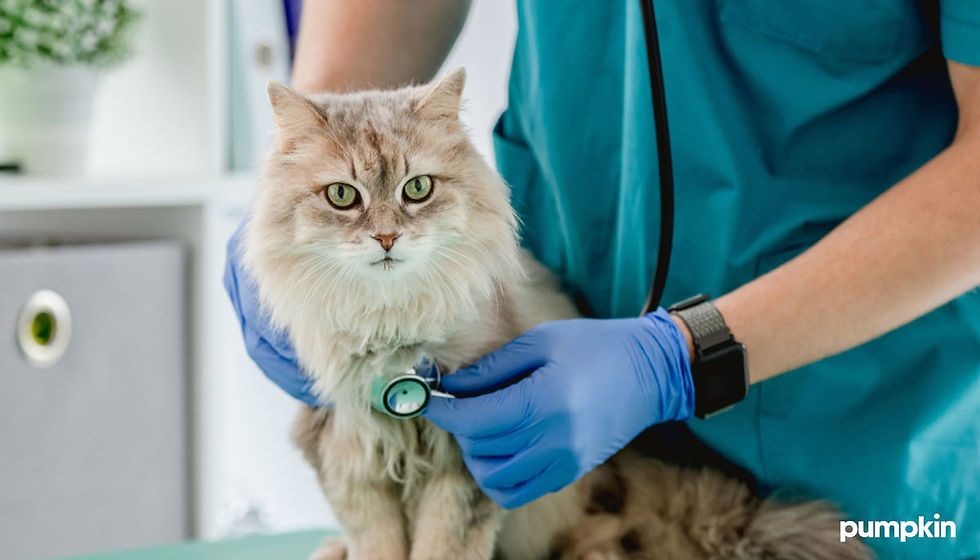
Fortunately, several effective options exist for hyperthyroid treatment in cats. The best approach depends on the cat’s age, lifestyle, health, the severity of the disease, and the preferences of the parent. Each treatment approach aims to restore normal thyroid hormone levels and relieve the symptoms caused by metabolic overactivity.
Medication (methimazole for cats)
Methimazole is the most commonly prescribed medication used to manage feline hyperthyroidism. This drug works by reducing the thyroid gland’s ability to produce thyroid hormone.
It may be administered either as a daily oral tablet, a flavored liquid medicine compounded by a pharmacy, or as a transdermal gel applied to the skin inside the ear. While medication does not cure hyperthyroidism, it can effectively control the condition when given consistently.
Routine blood testing helps ensure thyroid hormone levels in cats remain within a safe range while monitoring for potential medication reactions. In most cases, re-evaluation is conducted every 3 to 6 months.
Radioactive iodine therapy (I-131)
Radioactive iodine treatment is widely considered the gold standard therapy for feline hyperthyroidism. This treatment works by destroying abnormal thyroid tissue. Once the abnormal tissue is eradicated, the remaining healthy thyroid tissue can return to normal hormone production. Most cats require only one treatment, and the condition is often permanently resolved.
Because the treatment involves radioactive material, it must be performed at a specialty veterinary facility, such as Penn Vet, where cats stay for a short hospitalization period while radiation levels decrease. Although this treatment may require travel to a specialty hospital, it offers one of the highest success rates for long-term control of the disease.
Surgery (thyroidectomy in cats)
In some cases, veterinarians may recommend thyroidectomy, a surgical procedure that removes the affected thyroid gland tissue. Surgery can permanently cure hyperthyroidism when the abnormal tissue is successfully removed.
However, the procedure is used less frequently today because older cats may face anesthesia risks and postoperative complications can occur. Radioactive iodine therapy is often safer and more effective. Still, surgery may be an appropriate option in situations where radioactive iodine therapy is unattainable.
Prescription diet therapy
Some veterinary therapeutic diets limit iodine, which the thyroid gland needs in order to produce hormones. By restricting iodine intake, these diets can reduce thyroid hormone production.
For this approach to work, cats must eat the prescribed diet exclusively, meaning no treats, table scraps, or other foods containing iodine. Because strict dietary control can be challenging in multi-pet households, veterinarians carefully discuss whether this treatment option is realistic for each household.
Monitoring and long-term care of feline hyperthyroidism
Ongoing monitoring through routine bloodwork and tests is essential for cats diagnosed with hyperthyroidism.
Veterinarians typically recommend:
Follow-up T4 testing in cats to track hormone levels
Kidney function monitoring
Regular blood pressure checks
Medication adjustments if needed
Monitoring is particularly important because treating hyperthyroidism may reveal previously hidden kidney disease or other concurrent diseases. Through careful monitoring and veterinary guidance, most cats with hyperthyroidism continue to enjoy a good quality of life for many years.
Early detection protects long-term health
Hyperthyroidism is one of the most common diseases affecting senior cats, but it’s also one of the most manageable when caught early. Routine veterinary visits for senior cat health, including comprehensive physical exams and bloodwork, play a critical role in detecting thyroid disease before complications develop. With the right treatment plan and ongoing care, cats diagnosed with hyperthyroidism can continue living comfortable, active lives.
FAQ
How long does a cat live with hyperthyroidism?
With proper treatment, many cats with hyperthyroidism live for several years or even a full lifespan after diagnosis. The condition is highly manageable, especially when caught early. Lifespan often depends on a cat’s overall health and whether other conditions, such as kidney disease or hypertension, are present.
Is it worth treating a cat with hyperthyroidism?
Absolutely. Treatment can significantly improve a cat’s comfort, energy levels, and quality of life. Untreated hyperthyroidism can lead to serious complications affecting the heart, kidneys, and blood pressure. With appropriate care, many cats continue to live happy, active lives.
Is hyperthyroidism painful for cats?
Hyperthyroidism itself is not usually painful, but the condition can place stress on the body and lead to complications over time. Cats may feel restless, weak, or unwell as the disease progresses. Treating the condition helps restore balance and improve overall well-being.
How much does it cost to treat hyperthyroidism in cats?
Costs vary depending on the treatment option. Long-term medication and monitoring may cost several hundred dollars per year, while radioactive iodine therapy can cost several thousand dollars but often cures the condition.
References
AAHA - 2023 AAHA Selected Endocrinopathies of Dogs and Cats Guidelines
Aurora Animal Care Community - Cat Thyroid Issues: Understanding Hyperthyroidism and Hypothyroidism
Cornell Feline Health Center - Hyperthyroidism in Cats
FDA - Hyperthyroidism in Cats—Two FDA-Approved Drugs Available to Treat It
Merck - Hyperthyroidism in Animals
PubMed - Relationship Between Canned Food and Feline Hyperthyroidism
Vet Times - Feline Hyperthyroidism and Concurrent Disease