Updated: Jun 10
Key points
Most kittens take to the litter box within days. The keys to success are the right supplies, non-clumping litter, and a quiet spot.
Start litter training as early as three to four weeks old and use gentle positive reinforcement instead of punishment.
If your kitten keeps avoiding the litter box, it could be a sign of a health issue that calls for a vet visit.
Between choosing food, scheduling vet visits, kitten-proofing your home, and stocking up on supplies, bringing home a kitten comes with a long to-do list. Of all the things a new kitten has to learn, using the litter box is often one of the easiest. Cats are naturally inclined to dig and bury their waste, so your job is to set up the right environment and guide them through the process.
Whether you've adopted a tiny four-week-old or a spunky eight-week-old kitten, litter training is usually straightforward. With the right box, the right litter, and a little patience, most kittens figure it out within a few days to a week. If you're putting together everything your new arrival needs, check out our new kitten checklist for the full rundown.
Most kittens catch on quickly with the right setup, but knowing how to troubleshoot common litter box problems can make setbacks less stressful.
What is litter training?
Litter training is the process of teaching a kitten to use a litter box. Unlike dogs, cats have a natural instinct to cover their waste. Experts believe this behavior originated in wild cats, where covering waste helped reduce disease risk and made it harder for predators and rival cats to detect them. This usually makes litter training one of the simpler aspects of bringing a kitten home.
Most kittens learn the basics from their mother, but kittens adopted before weaning or raised without a mother may need extra help.
The process of litterbox training a kitten involves choosing the right box and litter and placing them in a comfortable spot. Then you guide your kitten to the box at key moments.
When to start litter training your kitten
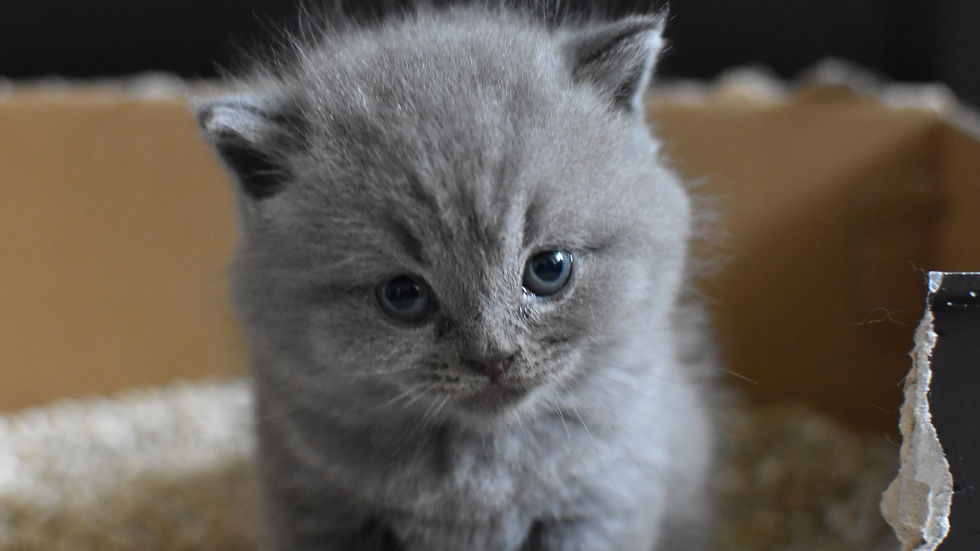
You can start training a kitten to use the litterbox as early as three to four weeks old. That's when kittens develop enough coordination to climb into a shallow litter box.
If your kitten is younger than three weeks, they still need stimulation to eliminate. Once they're moving around on their own, it's time to introduce the box. Most kittens adopted from shelters are around eight to 12 weeks old. At that age, they've likely already had some litter box exposure.
What you'll need: litter training supplies
Litter training success starts with the right setup. A kitten-friendly litter box, appropriate litter, and a few cleaning essentials can help create a positive experience from day one.
You'll need:
A shallow litter box: Low sides (about two to three inches).
Non-clumping litter: Safer for young kittens.
A litter scoop: For daily cleaning.
Enzyme-based cleaner: For accidents outside the box.
Treats or praise: Positive reinforcement goes a long way.
How to choose the right litter for kittens
Start with non-clumping litter. Clumping litter can cause intestinal blockages if ingested. Non-clumping is safer until your kitten is around three to four months old. Good options include non-clumping clay, paper-based pellets, and wood pellet litter. Avoid scented varieties.
Once your kitten is past the tasting phase, you can transition to clumping litter. Switch slowly per AAHA/AAFP litter box guidelines.
Choosing the best litter box for kittens
For most kittens, the best litter box is simple, open, and easy to access. Choose a box with low sides, about two to three inches high, so your kitten can climb in and out without difficulty. If you're bringing home a very young kitten, you may even need a shallow baking tray or similarly low container at first.
As your kitten grows, you may need to transition to a larger litter box. A box that feels cramped can become less appealing to use, especially for larger breeds. Your cat should be able to enter, turn around, and dig comfortably inside the box.
Skip the lid for now. Covered litter boxes can trap odors and make it harder for you to monitor your kitten's habits. Many kittens also prefer an open box while they're still learning.
If you have more than one cat, follow the standard rule of one litter box per cat, plus one extra. Some cats are reluctant to share litter boxes and may avoid a box that feels crowded or difficult to access.
Where to place the litter box
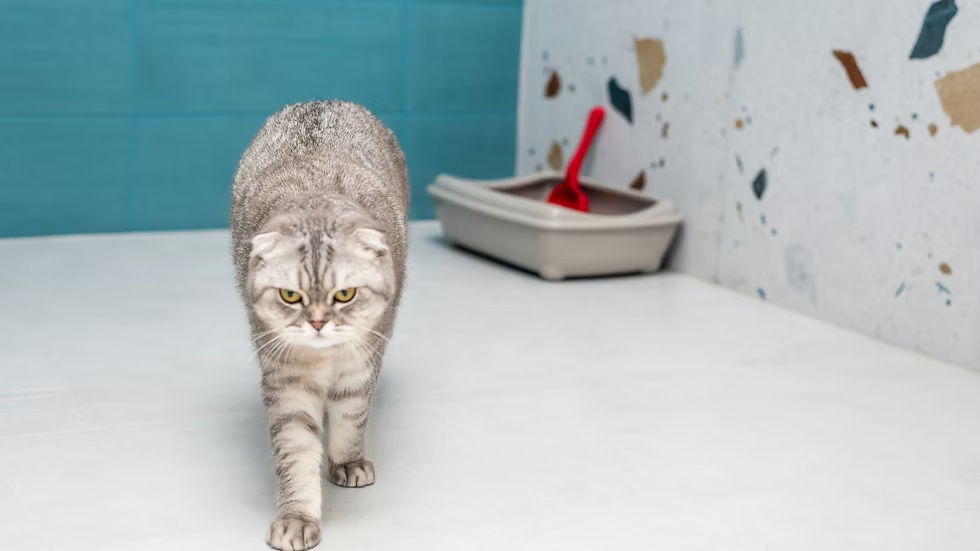
Choose a quiet, low-traffic area where your kitten can use the litter box without interruptions. Avoid placing the box near loud appliances such as washing machines, dryers, or furnaces, which can startle young kittens.
Keep the litter box separate from your kitten's food and water bowls. Cats generally prefer not to eliminate near areas where they eat and drink.
In larger homes or homes with multiple floors, place a litter box on each level. Young kittens have small bladders and may not always make it to a box that's far away.
Step-by-step litter training guide
Most kittens already have the instinct to dig and bury their waste. The goal of litter training is to help them connect that instinct with the right place.
Step 1: Introduce your kitten to the litter box
When you first bring your kitten home, gently place them in the litter box and allow them to explore. Let them sniff the litter, dig if they want to, and become familiar with the space. Avoid forcing them to stay in the box if they want to leave.
Step 2: Place them in the box at key times
Kittens are most likely to eliminate after eating, drinking, waking up from a nap, or finishing a play session. Place your kitten in the litter box during these moments to help them connect the box with bathroom time.
Step 3: Reward successful litter box use
If your kitten uses the litter box, offer quiet praise or a small treat. Positive reinforcement can help build confidence and encourage good habits. Avoid punishment for accidents, which can create stress and make training more difficult.
Step 4: Clean accidents thoroughly
Accidents are a normal part of the learning process. Use an enzyme-based cleaner to remove odors from carpets, floors, and other surfaces. This helps prevent your kitten from returning to the same spot again.
Step 5: Keep the litter box clean
Most cats prefer a clean place to eliminate. Scoop the litter box daily and replace the litter regularly according to the manufacturer's recommendations. A dirty box can discourage use and lead to accidents.
Step 6: Stay patient and consistent
Most kittens learn quickly, but every kitten is different. Keep the litter box in the same location, use the same litter, and stick to a consistent routine. These habits create a strong foundation for how to train a cat throughout every stage of life.
Signs your kitten may have a litter box problem
While occasional accidents are normal during training, repeated problems usually indicate that something about the setup isn't working. The litter box may be difficult to access, the litter may be uncomfortable, or your kitten may be dealing with stress or a medical issue.
Watch for these signs that your kitten may be having trouble with their litter box setup:
Going next to the box but not in it
Using the box inconsistently
Avoiding the box entirely
Refusing a shared box. Learning to share a litter box is an important part of introducing a new kitten.
When to call your vet
Most litter box problems can be solved with changes to your kitten's setup, but some can signal an underlying medical issue. If your kitten was previously using the box reliably and suddenly starts having accidents, it's a good idea to check in with your veterinarian.
Contact your vet if you notice:
Straining to urinate or defecate
Frequent trips to the litter box with little or no output
Blood in the urine or stool
Diarrhea
Lethargy or other signs of illness
A sudden change in previously reliable litter box habits
When in doubt, it's always better to rule out a medical problem before assuming your kitten's litter box issues are behavioral.

What to do if your kitten won't use the box
If your kitten isn't using the litter box, don't panic. Most litter box problems can be traced back to the box itself, the litter, the location, or a recent change in your kitten's environment. Start with the simplest solutions first and make changes one at a time so you can identify what's working.
Solution 1: Make sure the litter box is kitten-friendly
A box with high sides can be difficult for young kittens to enter. Choose a shallow, open box that's easy to access and keep it clean by scooping waste daily.
Solution 2: Experiment with different litter types
Some kittens have strong preferences when it comes to texture. If your kitten consistently avoids the box, try a different unscented, non-clumping litter and see if their behavior changes.
Solution 3: Reevaluate the box location
Cats prefer quiet, low-traffic areas where they can eliminate without being disturbed. If your kitten is repeatedly having accidents in the same spot, moving the litter box closer to that area may help.
Solution 4: Limit access to the rest of the house
For kittens that are still learning, temporarily confining them to a small room with food, water, bedding, and a litter box can help reinforce good habits and reduce accidents.
Solution 5: Consider changes at home
New pets, visitors, schedule changes, or household noise can sometimes affect litter box habits. A consistent routine can help your kitten feel more comfortable.
Solution 6: Talk to your veterinarian if problems persist
If your kitten continues avoiding the litter box despite adjustments to their setup, or if the behavior appears suddenly, contact your veterinarian to rule out medical causes.
Tips to prevent litter training setbacks
Once your kitten is using the litter box consistently, a few simple habits can help keep them on track.
Stick with a routine. Kittens thrive on consistency. Try to keep feeding schedules, litter box locations, and daily routines as predictable as possible.
Introduce changes gradually. If you need to switch litters, move the litter box, or make other changes to your kitten's routine, do so gradually to give them time to adjust.
Keep the litter box accessible. As your kitten gains access to more of the house, make sure a litter box is always easy to reach.
Provide enough resources. In multi-cat households, having enough litter boxes can help prevent competition and reduce stress.
Be mindful of major life changes. Moving, traveling, welcoming a new pet, or other household changes can affect litter box habits. Extra patience and consistency during transitions can help your kitten adjust.
Monitor for changes in behavior. A kitten that suddenly stops using the litter box may be responding to stress, environmental changes, or an underlying medical issue.
Supporting long-term litter box success
Litter training doesn't end once your kitten learns to use the box. As your kitten grows, changes such as moving to a new home, introducing another pet, or adjusting their routine can sometimes affect litter box habits.
Maintaining a clean litter box, providing enough boxes for every cat in the household, and staying on top of routine veterinary care can help support healthy litter box habits throughout your cat's life. For kittens enrolled in a Pumpkin plan, Preventive Essentials is an optional non-insurance wellness package that helps support routine care, including wellness exams and other preventive care for cats.
What comes after litter training
New kittens have a way of keeping you on your toes, but litter training is often one challenge that resolves itself quickly. As your kitten settles in and learns the rhythms of their new home, you'll have more time to focus on playtime, bonding, and getting to know each other's personalities.
FAQs
How long does it take to litter train a kitten?
Most kittens learn to use a litter box within a few days to a week. The right litter box, appropriate litter, and a consistent routine can help make the process go more smoothly.
What is the best litter for kittens?
Non-clumping litter is generally the safest choice for young kittens. Unscented paper, wood, and non-clumping clay litters are all good options while your kitten is still learning.
Can you litter train a kitten without a mother?
Yes. While mother cats often help teach litter box habits, orphaned kittens can learn successfully with a shallow litter box, a consistent routine, and positive reinforcement.
Why won't my 8-week-old kitten use the litter box?
Litter box avoidance can be caused by litter preferences, box placement, cleanliness, stress, or difficulty accessing the box. If the behavior appears suddenly, contact your veterinarian to rule out a medical issue.
Is it too late to litter train a cat?
No. Cats can learn litter box habits at almost any age. While kittens often learn more quickly, older cats can also develop reliable litter box habits with patience and consistency.