Key Points
Pit Bulls typically live 10-15 years with proper care, exercise, and nutrition.
The "locking jaw" myth is false – Pit Bulls have the same jaw structure as other dog breeds.
"Pit Bull" is an umbrella term for several breeds, including the American Pit Bull Terrier and American Staffordshire Terrier. It’s not a single breed.
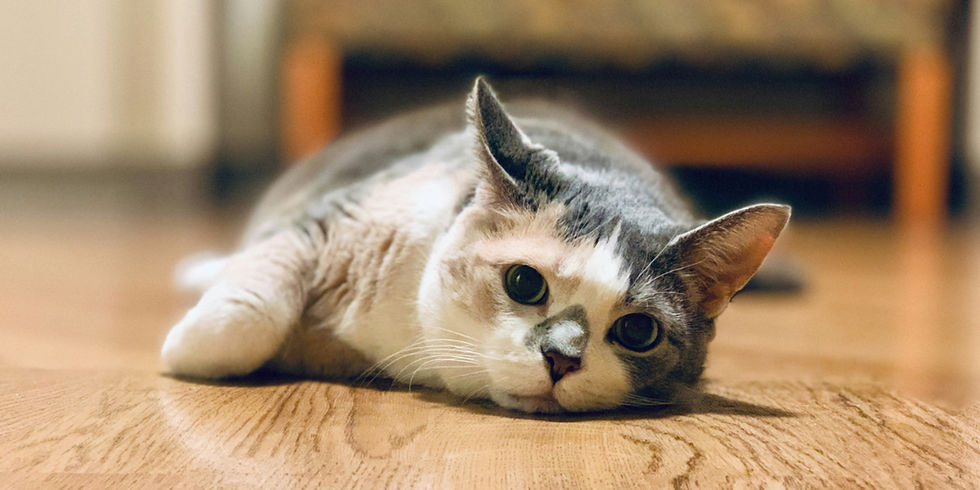
The internet has nicknamed them "land hippos" and "velvet hippos," affectionate terms that capture the paradox of Pit Bull dogs perfectly. Despite their muscular build and powerful presence, these pups are often couch potatoes who think they're lap dogs.
But beyond the funny memes and viral videos, there's a lot of misinformation floating around about Pit Bulls. From myths about their temperament to confusion about what "Pit Bull" even means, these dogs are among the most misunderstood breeds in America.
Whether you’ve already opened your home – and your heart – to one of these stocky pups, or if you’re considering adoption, let’s separate fact from fiction.
The breed umbrella: What is a "Pit Bull"?
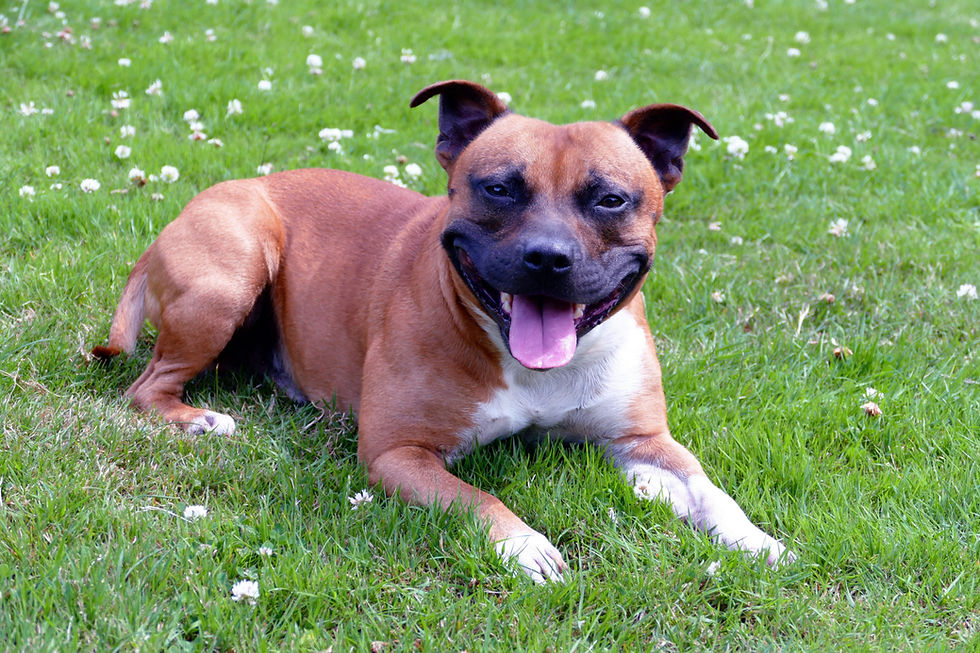
"Pit Bull" isn't actually a single breed. It's an umbrella term that covers several breeds with similar physical characteristics and includes the American Pit Bull Terrier, American Staffordshire Terrier, Staffordshire Bull Terrier, and American Bully.
The American Staffordshire Terrier vs. Pit Bull question often confuses potential dog owners. While the American Staffordshire Terrier and American Pit Bull Terrier share common ancestry and similar traits, they've diverged slightly over the years. The American Kennel Club recognizes the American Staffordshire Terrier, while the United Kennel Club recognizes the American Pit Bull Terrier.
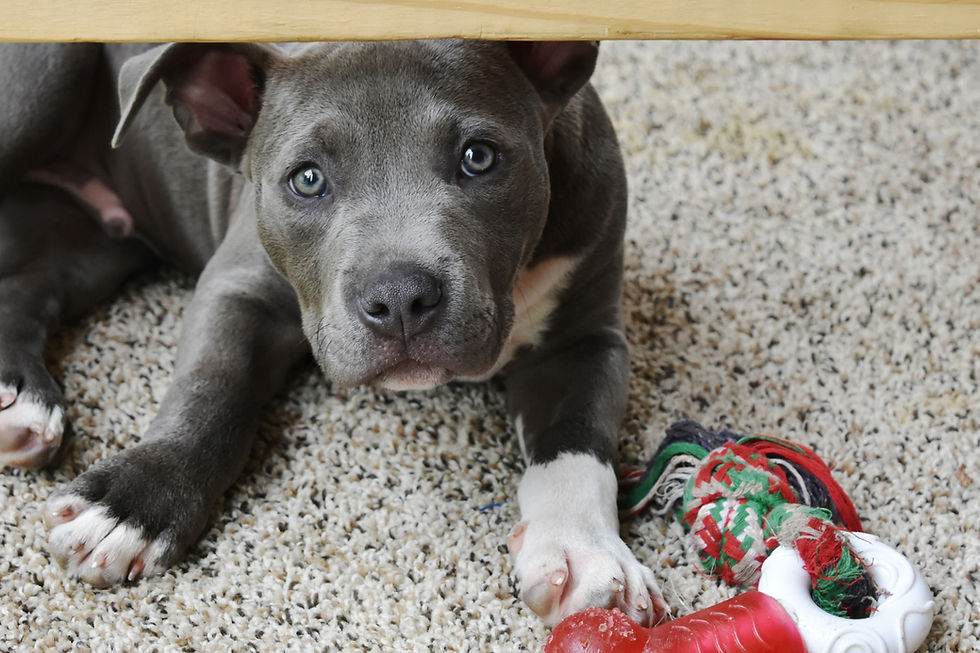
All of these breeds share similar traits: a broad head, muscular build, short coat, and that characteristic blocky, square-jawed face. They typically stand 17-21 inches tall and weigh between 30-60 pounds, with the American Bully coming in a wider range of sizes, from pocket to XL. Their coats come in a rainbow of colors, such as red, blue, brown, grey, black, white, brindle, and various combinations.
Now that you know exactly what this group is, let’s dive into the top 10 interesting Pit Bull facts about these snuggly sweethearts.
1. Pit Bulls can live 10-15 years with proper care
If you’re considering welcoming a Pittie puppy into your home, you’re also likely wondering, “How long do Pit Bulls live?” The Pit Bull lifespan typically ranges from 10-15 years, which is fairly average for medium-sized dog breeds. Among the Pit Bull-type breeds, Staffordshire Bull Terriers often live the longest.
2. They have a surprising history as America's sweetheart
Before Pit Bulls became controversial, they were America's dog. In the early 1900s, Pit Bulls were trusted family companions, often referred to as "nanny dogs" because of their patience and protectiveness around children. They appeared on WWI recruitment posters as symbols of American bravery and loyalty.
Perhaps the most famous Pit Bull was Sergeant Stubby, who served 18 months on the front lines during WWI and became the most decorated war dog in American military history. Pit Bulls also dominated Hollywood: Petey from "The Little Rascals" charmed audiences, and Presidents Theodore Roosevelt and Franklin D. Roosevelt both owned Pit Bulls.
3. The "locking jaw" myth is completely false
One of the most persistent myths about Pit Bulls is that they have "locking jaws" that clamp down and won't release. This is absolutely not true.
Pit Bulls have the same jaw structure as any other dog breed. There's no evidence a Pit Bull's jaws are anatomically different from other dog breeds, and studies reveal the power of a dog's bite is related to its overall size and strength.
So where did this myth come from? It likely stems from the Pit Bull's determination and tenacity. When a Pittie grabs something they want (like a favorite toy), they hold on with enthusiasm. This determination can make it seem like their jaws have locked, but it's just their strong-willed personality and powerful bite, not a special physical mechanism.
4. Pit Bulls excel at temperament testing and often make wonderful family dogs
The American Pit Bull Terrier passed the American Temperament Test Society test at a higher rate than many other dog breeds, including Beagles, German Shepherds, and Golden Retrievers. This shows that aggression is not a breed characteristic. Aggression is context-dependent and most often fear-based, regardless of breed.
Pit Bulls are typically people-oriented and eager to please, which makes them highly trainable. Pit Bulls are generally great with children when properly raised and supervised, and are often so people-oriented, they’ve earned the nickname of "velcro dogs.” If you're looking for a devoted companion who'll stick by your side, these dogs deliver. And, if you’re looking for a running buddy, they’re the perfect partner, since they’re also energetic and athletic.
5. They were bred as farm dogs in America
When Pit Bulls came to America, they were originally bred as farm dogs. They herded cattle and sheep, guarded livestock from predators, hunted wild hogs, and protected their families. Their versatility, work ethic, and loyalty made them invaluable companions in developing agricultural communities.
6. The cost of a Pit Bull ranges widely
You may wonder how much Pit Bulls cost if you’re considering adding this cuddly land hippo to your family. In shelters, you’re likely to find puppies, adults, and seniors, ranging from as low as $50 to around $300. Oftentimes, Pit Bull adoption fees are sponsored to help get these wonderful pups adopted out.
If you’re interested in a particular physique or color and want to work with a breeder, Pit Bull prices typically range $500 to $3,000.
Once you’ve welcomed a Pit Bull into your home, see what to expect for future health costs with Pumpkin’s free Pet Health Predictor tool.
7. Pit Bulls are moderate shedders
Pit Bulls have short, smooth coats that shed moderately year-round. While they're not hypoallergenic, their grooming needs are relatively low maintenance. Weekly brushing helps remove loose hair and keeps their coat shiny. During spring and fall, you might want to brush them 2-3 times per week.
Pit Bulls can also be prone to skin allergies and environmental sensitivities, so regular grooming and skin checks can help catch irritation early.
8. They're natural athletes who need plenty of exercise
Despite their stocky build, Pit Bulls are athletic powerhouses. They excel at dog sports like agility, weight pulling, and obedience. These dogs need at least 30-60 minutes of exercise daily. Without adequate exercise, Pit Bulls can become bored and destructive.
9. Pit Bulls often enjoy swimming
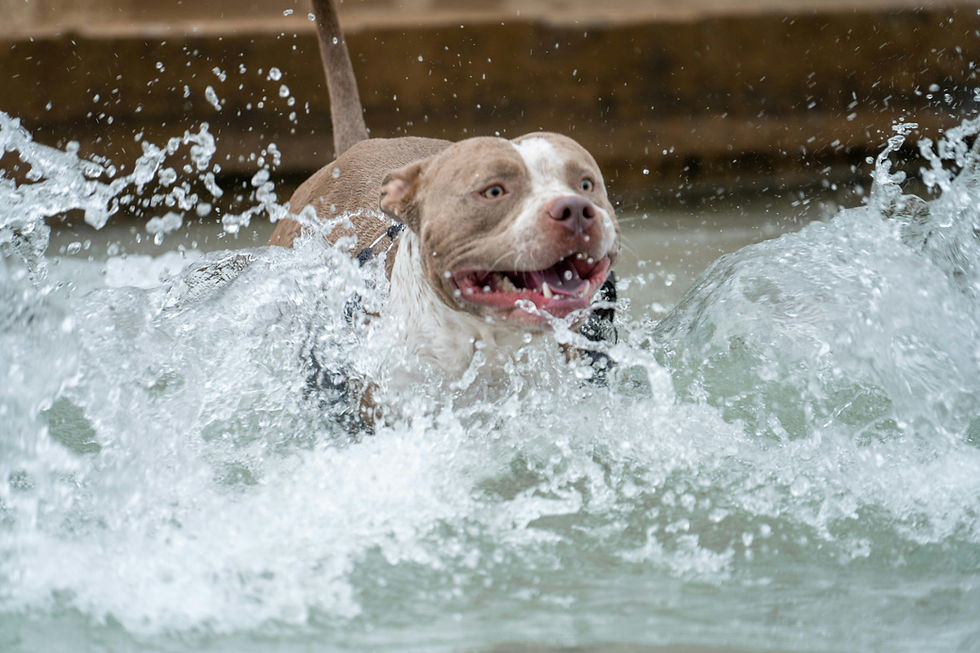
While not all Pit Bulls are natural water dogs, many enjoy swimming and can become strong swimmers with proper introduction to water. Their muscular build means they have to work harder in the water than some breeds, so always supervise your Pit Bull and consider a dog life jacket. Swimming is excellent low-impact exercise, especially for older dogs or those with joint issues.
10. They can be selective about other dogs
While Pit Bulls are typically excellent with people, some can be selective around other dogs. This doesn't mean all Pit Bulls are dog-aggressive, as many live happily in multi-dog households without any biting between dogs. However, dog-selectiveness is something potential owners should understand. Early socialization, proper training, and understanding your individual dog's comfort level are key.
Should I adopt a Pit Bull?
Pit Bulls can make wonderful family companions for the right owners. They're loyal, affectionate, intelligent, and eager to please. They thrive in homes where they receive plenty of exercise, mental stimulation, training, and human interaction.
However, Pit Bulls need owners who can provide daily exercise, are committed to positive training, understand potential dog-selectiveness, and can navigate breed-specific legislation in their area.
If you're considering adding a Pit Bull to your family, visit local shelters and rescue organizations. Millions of wonderful Pit Bulls are waiting for homes. When you bring home a Pit Bull, you're gaining a devoted friend who'll love you unconditionally.
FAQ
How big do Pit Bulls get?
Pit Bulls are medium-sized dogs, but their size varies depending on the specific breed. Staffordshire Bull Terriers are typically the smallest, standing 14-16 inches tall and weighing 24-38 pounds. American Pit Bull Terriers and American Staffordshire Terriers fall in the middle range, standing 17-19 inches tall and weighing 30-60 pounds. American Bullies tend to be the stockiest, standing 16-20 inches tall but weighing 50-120 pounds depending on the variety (Pocket, Standard, Classic, or XL).
Are Pit Bulls dangerous?
No single breed is inherently dangerous. Research suggests that aggression is influenced by factors like abuse, neglect, lack of socialization, and training methods, rather than breed. Well-raised, properly socialized Pit Bulls are loving, loyal family dogs.
Is an American Staffordshire Terrier a Pitbull?
The American Staffordshire Terrier is one of the breeds commonly referred to as a "Pit Bull." The term "Pit Bull" includes the American Pit Bull Terrier, American Staffordshire Terrier, Staffordshire Bull Terrier, and American Bully. These breeds share common ancestry and similar physical traits.
What do Pit Bulls usually die from?
Most commonly, Pit Bulls die from health issues like heart disease and cancer, although unmanageable hip dysplasia can result in humane euthanasia as well. Sadly, car accidents are also a leading cause of death, particularly in young, energetic dogs.