



What Illinois throws at your pet
There are risks to living anywhere, even in the Prairie State.
Reimbursement Rate
Leptospirosis
Dogs in Illinois can contract leptospirosis through contact with water or soil contaminated by infected animals’ urine.
Reimbursement Rate
Cold-weather injuries
Harsh Midwest winters bring frostbite and slip-related injuries.
Reimbursement Rate
Allergies
Seasonal allergies are common for Illinois dogs exposed to pollen blooms.
Example city | Average monthly premium³ |
|---|---|
Springfield | $40 |
Chicago | $50 |
Naperville | $60 |
How much does pet insurance cost in Illinois?
From
$59
/mo² for dogs
There's no single price. What you pay depends on:
Your pet's age, breed, and species - older pets and some breeds cost more to insure
Where you live - vet prices in Chicago run higher than in downstate Illinois
The plan you build - your annual limit, annual deductible and reimbursement rate

*Every purchase includes a $2 transaction fee
Accidents & illnesses
Dental illness treatments
Prescription medicines
Advanced care (stem cell)
Emergencies & hospitalization
Sick visit exam fees
Alternative therapies
Eye & ear infections
Behavioral issues
Hereditary & congenital conditions
Cancer & growths
Prescription food & supplements⁴
The most common claims in Illinois, covered
Most claims are for digestive issues, allergies, swallowed objects, and skin conditions – plus, in Illinois, leptospirosis and cold-weather injuries. Pumpkin's accident & illness coverage can help.
The best time to enroll is now.
Pumpkin plans feature key benefits that other providers exclude or charge extra for – including dental illness care. Pre-existing conditions are not covered though, so it pays to enroll your pet young and (hopefully) healthy.
What Illinois pets can expect from Pumpkin
No upper age or breed restrictions
Enroll any breed from 8 weeks and up.
Any vet, anywhere
Visit any licensed vet, specialist, or ER in the US and Canada.
Up to 90% back
Choose an 80% or 90% reimbursement rate for eligible vet bills.
More pets, more savings
Get up to 10% off a Pumpkin plan for each additional pet you enroll.⁵
Teddy
$4,043 paid in 11 minutes
"Teddy is just the best boy. I am so thankful for PumpkinNow – because of it, he was able to have his surgery right away. And the claim was done super fast."
– Brenda, Teddy’s parent⁶

Dewey
$3,935 paid in 10 minutes
"The money concern was removed, it’s such a relief… he hates the cone though."
– David, Dewey’s parent⁶
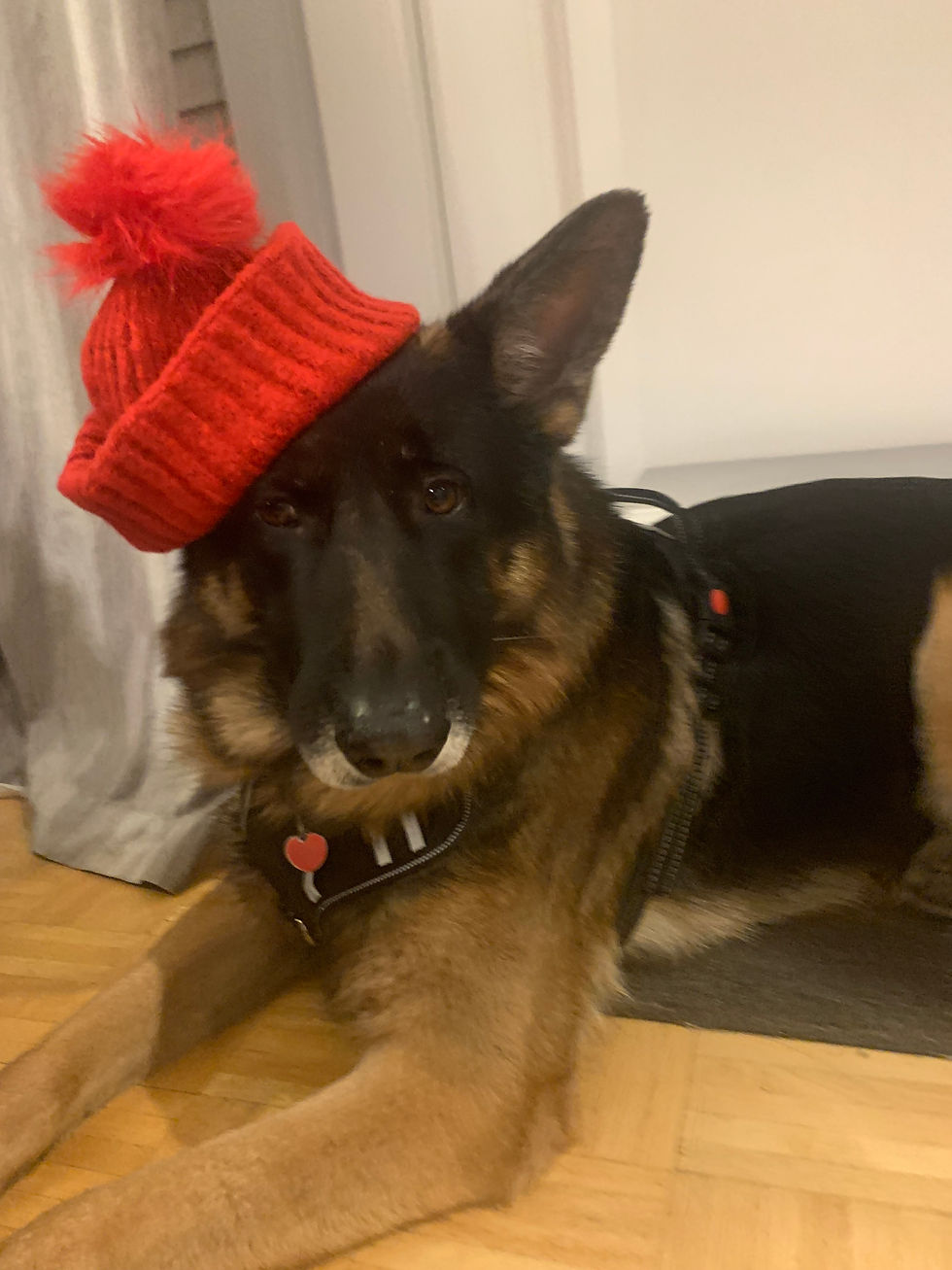
Fiona
$2,734 paid in 8 minutes
“We didn't have to stress about the cost. Pumpkin took the financial aspect off the table while we dealt with the gut-wrenching experience of seeing our helpless baby girl in pain.”
– Linette, Fiona's parent⁶
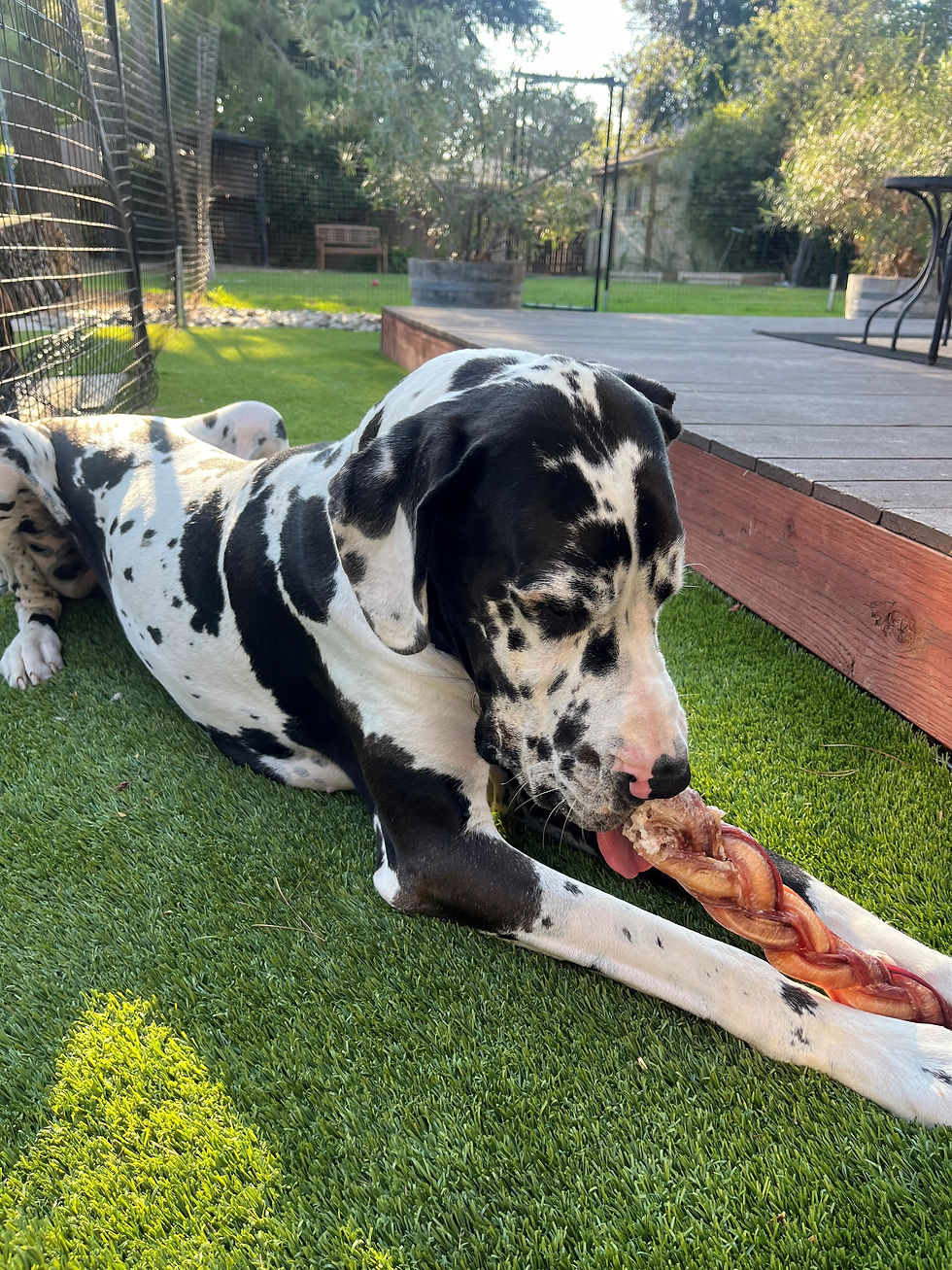
Real claims covered by Pumpkin
Love from parents up and down the state
Does pet insurance cover pre-existing conditions?
No pet insurer covers pre-existing conditions, including Pumpkin – that's true nationwide, not just here. That's exactly why it pays to enroll your pet while they're young and healthy, before anything comes up.
Where does pet insurance work?
Anywhere. With Pumpkin you can use any licensed vet, specialist, or emergency clinic in Illinois – or anywhere else in the US and Canada. There are no networks and no in-network or out-of-network providers to worry about.
How much does pet insurance cost in Illinois?
The cost of a Pumpkin pet insurance plan varies by your pet's age, breed, species, home zip code, and the plan you build. You can adjust your deductible, annual limit, and reimbursement rate to fit your budget. Get a free quote.
Is pet insurance worth it in Illinois?
For many Illinois pet parents, yes. Chicago's rat population has driven a leptospirosis risk for city dogs, and harsh winters bring their own hazards. A plan that pays back up to 90% can help cover the unexpected.
What does pet insurance cover?
Pumpkin Pet Insurance plans cover diagnostics, treatment, surgery, and prescriptions for new injuries and illnesses. That includes common claims like digestive issues, allergies, swallowed objects, and skin conditions, as well as hereditary and dental conditions.
FAQs
