
Updated: Nov 25, 2025
Key Points:
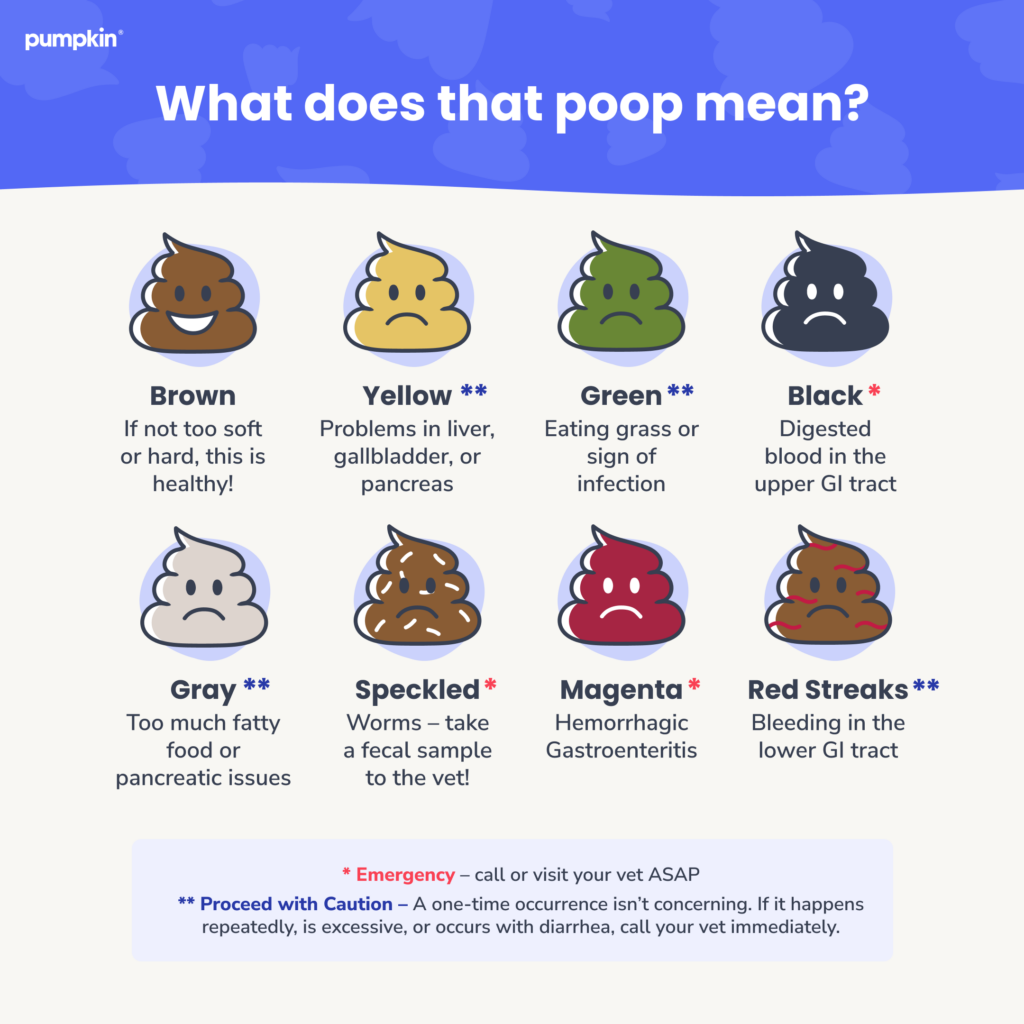
Black poop, or “melena,” can indicate the presence of digested blood in the stool, which usually means there is bleeding in the upper gastrointestinal tract.
Other causes of black dog poop include intestinal parasites, bacterial infections, and inflammatory bowel disease.
Treatment depends on the underlying cause and may involve diagnostic tests, medications, or fluid therapy.
If your dog’s poop turns black, call your vet right away.
We know it can be alarming to notice changes in your dog's health. Often, health problems first manifest as sudden changes to the consistency, color, or frequency of your pup's poop. Gross? Maybe a little, but as a responsible pet parent, you probably pick up, bag, and scoop your dog's poop on a daily basis. This daily ritual is just one of the many ways you can keep an eye on their health. If you notice black dog poop, also known as melena, you should be concerned.
Melena refers to dark, tarry stools that indicate the presence of digested blood. Black poop can reveal a range of health issues in your dog, some of which are serious and require veterinary care.
Causes of black dog poop
When a dog is digesting blood, their stool will turn black. The feces may look tarry and have a similar color as coffee grounds. While melena (digested blood in the stool) is the most likely explanation, you should also be aware of other potential causes.
There are several potential causes of black dog poop, including:
Gastrointestinal bleeding:Internal bleeding in the upper digestive tract
Tumors: Cancerous growths in the digestive tract
Foreign bodies: Ingested non-food items that cause digestive tract blockages
Inflammatory bowel disease: A condition that causes chronic inflammation and damage to the digestive tract
Intestinal parasites: Certain parasites, such as hookworms and whipworms, can cause black dog poop
Bacterial infections: Bacteria such as Salmonella and E. coli can also cause black dog poop
Other concerning symptoms that may accompany black poop include loss of appetite, weight loss, constipation, diarrhea, and vomiting. Seek veterinary care to best determine what digestive system issues are affecting the color and consistency of your dog's poop.
Black poop vs. red blood in poop
Both black dog poop and red dog poop can be alarming for dog owners, but they may indicate very different things. Black dog poop is often a sign of digested blood in the stool, which occurs when blood is digested in the small intestine or upper gastrointestinal tract. GI tract bleeding can be caused by a number of issues, such as medications or stomach ulcers.
Red dog poop, on the other hand, is usually an indication of fresh blood in your dog’s stool, which can indicate bleeding in the lower digestive tract. This kind of bleeding can be a sign of anything from parasites to inflammatory bowel disease. It’s important to keep an eye on your dog’s poop and seek veterinary care if you notice either black or red stool.
Is black dog poop always a sign of a serious health problem?
Not always, but it’s usually best to err on the side of caution and consult your vet. Black poop can indicate serious health issues, but it can also be caused by dietary changes or medication. Ask your vet about your dog’s diet and what other factors could contribute to the dark color of their poop.
Consulting your vet about black dog poop
If you suspect melena, it's important to consult your vet as soon as possible. Your vet may recommend diagnostic tests such as X-rays, blood tests, or fecal exams to determine the underlying cause of the black dog poop. Treatment may involve medication, fluid therapy, supplements, probiotics, or activated charcoal to absorb toxins. In some cases, a surgical procedure may be recommended to remove foreign bodies or tumors. Talk to your vet about which treatment is best for your dog.
Pumpkin Dog Insurance plans can help you say ‘yes’ to the best care possible when unexpected illnesses arise.
Black dog poop FAQs
Can dog food cause black dog poop?
Certain dog foods may contain ingredients that cause dark stools, such as iron supplements or high amounts of red meat. However, it’s important to consult your vet to rule out more serious health issues.
What dog poop colors are abnormal?
While black and red dog poop are the colors most often associated with health problems, there are other colors that dog owners should be aware of. Yellow poop can be a sign of food intolerance, while green poop can be a sign of a diet that’s high in grass. Orange poop can indicate liver problems, and grey poop can signal pancreas or digestive system issues, to name a few. If you notice any of these colors in your dog’s feces, it’s important to take them to the vet for an evaluation.
What should healthy dog poop look like?
Healthy dog poop should be chocolate brown in color and have a firm but not too hard consistency. It should be easy to pick up and should hold its shape well. The size of the poop should be appropriate for the size of the dog, and there should not be any visible signs of undigested food or foreign objects. Paying attention to the consistency, color, and smell of your dog’s poop is an important part of monitoring your dog’s health and ensuring they’re receiving proper nutrition. So go ahead and take a closer look — just make sure you wash your hands after.
What should I do if my dog has black dog poop?
Black dog poop is a symptom that should be taken seriously and evaluated by a veterinarian. Your vet can recommend diagnostic tests and treatment options based on the underlying cause of the issue. By monitoring your dog’s poop color and consistency, you can help identify potential health problems early.
REFERENCES
Dog Diarrhea Survival Guide (2022). American Kennel Club. Accessed on April 14, 2023.
What Does Dog Poop Color Mean? (2023). Canine Journal. Accessed on April 14, 2023.
Dog poo color guide: what colour is your dog’s poo? (2023). My Family Vets. Accessed on April 14, 2023.