Meet the Anatolian Shepherd
Furbulous Farmhand
Low-Maintenance Looks
Pawesome Protector
Furbulous Farmhand
Low-Maintenance Looks
Pawesome Protector
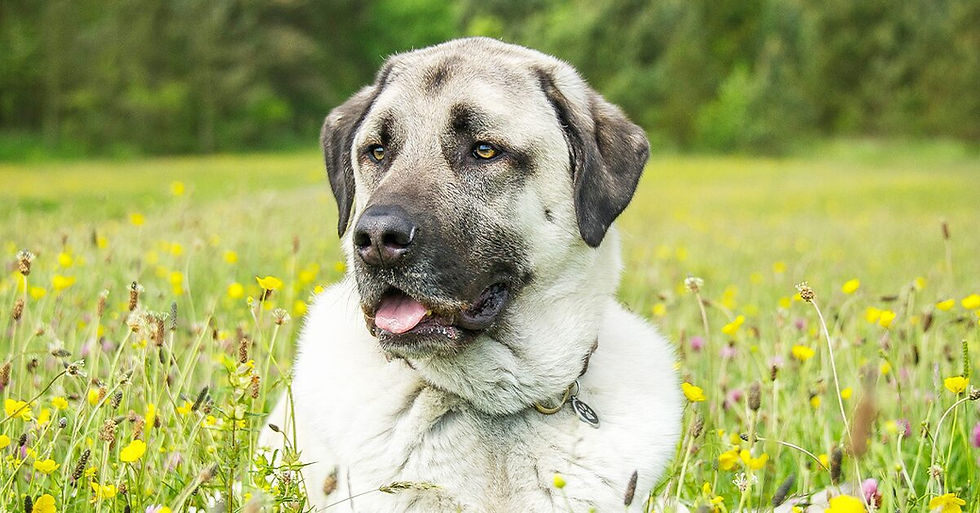
Need a loyal protector who will always keep you safe? Then I’m the pup fur you! We Anatolian Shepherds are natural-born guard dogs, so I’m a great fit for life on a farm or ranch. I need to be in a home with a fenced yard – no city apartments for me! But after an hour of daily exercise – I love long walks – I’m content to plop down indoors or in a shady spot outside. And while I may look like I’m snoozing, I’m actually monitoring my surroundings. If I detect anything suspicious, I’ll be up to investigate in a flash. Because my guardian instincts are so strong, it’s impawtant for families with children and other pets to make sure we all get to know each other. I pawsitively love kids, but I need to learn that they’re part of my flock. I’m always going to be wary of strangers – it’s kind of my thing – so early socialization and obedience training are a must. (I’m not a good fit for a first-time dog owner.) I’m a pretty rare breed, but if you’re looking for a loyal watchdog, I’m a pawfect fit.
Ready to learn more about me? Let’s dig in.
Alert
Calm
Loyal
About Me
Personality
Group
Working
Origin
Turkey
Life Span
11-13 Years
AKC Breed Popularity
Length Range
27-29 Inches
Weight Range
80-150 Pounds
Brindle
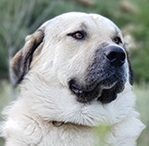
Fawn
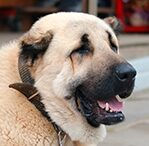
Biscuit
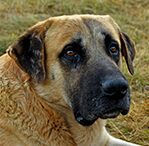
Red Fawn
My Many Looks
Training Ability
Shedding
3 Kid-Friendly
Intelligence
Health Issues
Exercise Needs
Barking
Affection Level
Pet Friendly
Grooming Effort
My Breed Characteristics
We Anatolian Shepherds don’t just protect our humans – we protect other animals, too! In Namibia, the human senlisted us to help conserve the cheetah population, because farmers were being forced to kill cheetahs that were attacking their livestock. The Cheetah Conservation Fund created the Livestock Guarding Dog Program, which trained us to keep the cheetahs away from the farmers’ flocks. That way, we could use our livestock guardian skills to keep the cheetahs and the farm animals safe. Nobody gets hurt on our watch!
Furbulous Fact
Puppy
I need early socialization and obedience training, especially in homes with kids and other pets. It’s impawtant that I get to know everyone in my flock!
3-12 Months
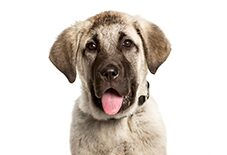
Adult
I don’t have a high energy level like some other large breeds – and high-intensity activity isn’t good for me – but I love going for long walks with my humans.
2 Years
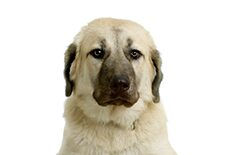
Senior
I’m prone to arthritis and obesity as I age, so pawlease switch to a senior-friendly diet to help manage my weight.
7-8 Years
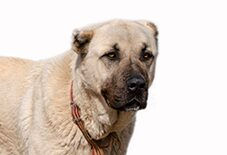
As you can see, we Anatolian Shepherds age pretty gracefully. Here are a few key milestones in my growth and development to be aware of as I grow up from a pupper to an adult and senior!
As I Grow Up
History of My Breed
We Anatolian Shepherds are an ancient breed with a fascinating history. The humans think my earliest ancestors came to Anatolia (modern-day Turkey) around 2000 BCE. From the very beginning, we were fierce livestock guardians, able to take on dangerous predators like wolves and bears. In Turkey, the humans called us Coban Kopegi – which means “shepherd’s dog” – because we were so good at protecting flocks of sheep. We’re also called the Karabash dog and the Kangal dog, though many humans consider us a separate breed from the Kangal dog.
We were so prized in Turkey for our skills, in fact, that Turkish humans kept us all to themselves for thousands of years! It wasn’t until the 20th century that we made our way to the U.S. under pawsitively fascinating circumstances. In the late 1930s, the first Anatolian Shepherds arrived as part of a super secret program by the US Department of Agriculture to breed the perfect sheepdog. The program didn’t succeed, but it wasn’t long before more Anatolians came to the U.S. In 1970, a US Navy officer named Robert Ballard (who fell in love with us while he was stationed in Turkey) formed the Anatolian Shepherd Dog Club of America to promote our breed.
We became well-known in America after the Endangered Species Act was passed in 1973. Because of our cheetah-protection work in Namibia, the Americans chose us to help guard livestock from dangerous predators like wolves that were classified as endangered animals. Our guarding skills were perfect for protecting these endangered populations while also protecting the livestock they preyed on. In 1999, the AKC officially recognized us as part of the working group, and even though we make great family pets, many of us are still hard at work on American ranches and farms today.
About Me
In addition to purebred Anatolian Shpeherds like me, there are tons of pawfectly sweet mixed-breed Anatolians that are looking to find their furever homes. You can learn where to find your next pet below!
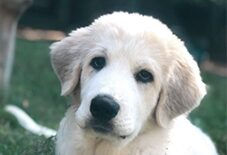
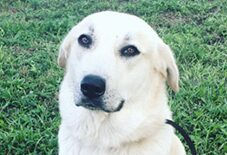
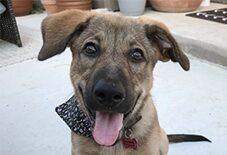
Pawesome Pups to Parent
1
Be careful with anesthesia – Anatolians are sensitive to it.
Anatolian Shepherds are more sensitive to both general and injectable anesthetic drugs. While anesthesia is still an option for this breed, brushing your dog’s teeth can help reduce the likelihood that they’ll need a dental cleaning under anesthesia.
2
Watch for signs of Gastric Dilation Volvulis (aka bloat).
As with many large breed dogs, Anatolian Shepherds could develop Gastric Dilation Volvulus or GDV. GDV is a life-threatening emergency where the stomach becomes distended with gas and twists on itself. While the exact cause isn’t known, managing how quickly your dog eats or drinks seems to help. Make sure you understand the signs of GDV and have a plan in place to quickly get your dog to a veterinarian.
3
Pay attention to your Anatolian Shepherd’s eyelids.
Anatolians are prone to a condition called entropion, where a part of the eyelid is turned inward causing the eyelashes to rub against and irritate the eye. This condition typically occurs within the first 24 months. If you’re seeing any irritation around the eye make sure to schedule an exam with your veterinarian. Entropion typically requires surgery to repair but your veterinarian can talk you through the options.
1
Training your Anatolian requires patience.
Anatolian Shepherds are a very intelligent breed, but they tend to act puppyish longer than usual. They are also very stubborn and want to be the leader of the pack. Patience and consistency are key when training.
2
Positive reinforcement works best.
Anatolian Shepherds are very sensitive dogs. If you mistreat them while training, you are doing things wrong. For successful and productive training, use clickers, treats, and toys every time you see them making progress.
3
Socialize your Anatolian Shepherd early.
Anatolian Shepherds tend to be overprotective towards their family and very angry towards strangers. Early socialization around humans is necessary. Taking them everywhere you go when they are puppies is one of the ways to go.
While Anatolian Shepherds are a generally healthy breed, unexpected ruh-rohs can happen to any dog at any age. If your pup gets hurt or sick, pet insurance can help you say ‘yes’ to the best care, even when it’s costly. When it comes to shopping for this breed, you’ll want to choose insurance plans like Pumpkin's, which can help cover the costs associated with the hereditary conditions Anatolians are prone to developing. While a reputable breeder will conduct genetic testing on your pup’s parents to help minimize the chances of passing down hereditary conditions, they can’t always be avoided. Let’s look at some common ones, and how Pumpkin Dog Insurance plans could help cover the cost of care!
Elbow Dysplasia
This orthopedic condition involves abnormal development of the bones making up the elbow joint, preventing them from fitting together properly. This results in pain, lameness, and arthritis. There are several forms of elbow dysplasia and surgery is often recommended.
Entropion
Entropion is an eye condition that occurs when the eyelid rolls in, resulting in eyelashes and facial hair irritating the cornea. This can lead to discomfort, lacerations, scarring, and impaired vision. Entropion can cause blindness and is most commonly treated surgically.
Hip Dysplasia
An orthopedic condition where the ball and socket of the hip joint doesn't develop or work properly, leading to joint deterioration, pain, lameness, and/or arthritis. While mild cases can be managed with prescription meds and physical therapy, severe ones may require costly hip replacement surgery.
Hypothyroidism
Hypothyroidism occurs when a dog’s thyroid gland is underactive. This slows down their metabolism, which negatively affects all major organ functions. This condition can be treated (but not cured) with thyroid replacement hormone therapy for the remainder of a dog’s life.
Why Get Dog Insurance?
from Pumpkin®
*Example illustrates reimbursement of a covered vet bill at a 90% reimbursement rate, where the annual deductible had already been satisfied and the annual limit had not yet been met. Coverage and reimbursement results vary based on policy options.